 >
> Meru National Park, Kenya, is one of the most beautiful yet least-visited wilderness areas in Eastern Africa, worth exploring on Kenyan safaris.
Kenya is bordered by South Sudan and Ethiopia to the north, Somalia to the east, Tanzania to the south, Uganda to the west, and the Indian Ocean to the southeast.
Meru National Park offers travelers a chance to explore complete wilderness, diverse landscapes, and unique safari experiences far from the crowded safari circuits in Eastern and southern Africa.
Famous for being the home of Elsa the lioness from the film Born Free, Meru NP combines wildlife, history, and conservation all in one bundle.
Visitors can enjoy game drives, cultural encounters, birdwatching, and memorable moments at Adamson’s Falls or Elsa’s grave.
Managed by the Kenya Wildlife Service, Meru National Park today stands as a successful conservation story, housing rhinos, elephants, hippos, cheetahs, leopards, buffalo, and hundreds of bird species in its complete wilderness.
It is a perfect choice for Africa safari goers looking to visit a park that blends complete wilderness adventure with history, making it a constant appearance on most Kenya safari itineraries.
This is a detailed breakdown of what Meru National Park is all about!
Key Facts About Meru National Park, Kenya
- Founded: 1966, and shortly became a popular safari destination
- Size: 870 sq. km (336 sq. miles) and is bisected by the equator
- Location: About 350 km northeast of Nairobi, bisected by the equator
- Altitude: Highest point – 1,036 m (3,400 ft) at the foothills of the Nyambeni Range
- Boundaries: Southern border formed by the Tana River; other rivers include Ura and Rojerwero
- Landscape: Diverse flora including Acacia woodland, jungle, grasslands, rivers, swamps, and riverine forests
- Wildlife: Home to elephants, leopards, cheetahs, rhinos, hippos, Grevy’s zebras, and reticulated giraffes, among other wild fauna species
- Birds: More than 427 bird species recorded, including the rare Pel’s fishing owl
- Management: Operated by the Kenya Wildlife Service (KWS)
Meru National Park Location and Size
Meru National Park lies northeast of Mount Kenya, about a seven-hour drive (348 km) from Nairobi.
The park covers 870 sq. km (336 square miles) and is crisscrossed by 13 rivers, with the Tana River forming its southern border.
Because it straddles the equator, the park’s vegetation and climate are diverse, making it a rich and thriving complete wilderness in Africa.
It also borders Kora National Park to the south east and Bisanadi National Reserve in the north east.
Geography, Climate, and Weather of Meru National Park, Kenya
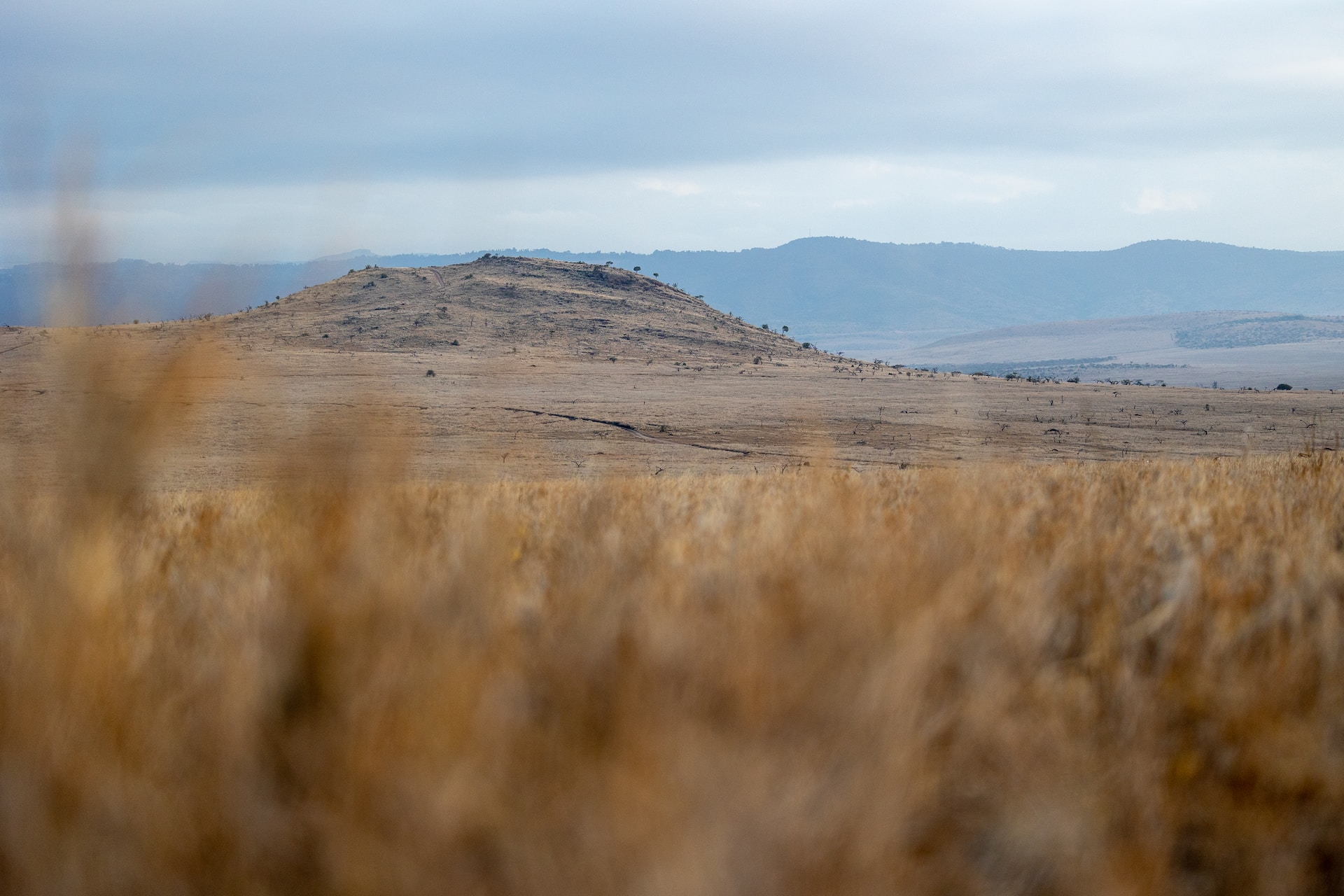
Meru has a unique geography characterized by savannah grasslands, swamps, acacia woodlands, and lush forests along main rivers such as the Tana River, Ura River, and Rojerwero River.
Meru National Park’s highest point is 1,036 meters (3,400 feet), located in the foothills of the Nyambeni Range, and the lowest elevation spot is found in the southeastern side of the park near the Tana River.
Rain fall is abundant, particularly in the north west districts of the country (635-762mm of rain showers) and 305-356 mm of rain showers in the east, creating a vibrant ecosystem that supports a diverse array of species.
The dry season (June to September and January to February) is best for game viewing, while the wetter months (April-June, November-December) bring lush greenery and spectacular birdwatching in the country.
History of Kenya’s Meru National Park
Created in 1966, Meru National Park rose to fame through George and Joy Adamson, who raised the lioness Elsa and later released her into the wild. The story inspired the film Born Free, making Meru famous worldwide.
However, during the 1980s, Meru National Park fell into neglect as poaching decimated wildlife populations.
By the late 1980s, its rhinos were almost wiped out. Thanks to the International Fund for Animal Welfare (IFAW), the EU, and dedicated rangers (led by Mark Jenkins, a son of former warden Peter Jenkins), the park was restored in the 1990s with a new poacher-proof rhino sanctuary, improved infrastructure (new earth roads), and reintroduced wildlife pioneered by the KWS.
Today, it is a thriving wildlife safari destination once again that isn’t missed on most Kenya wildlife safari itineraries.
Meru National Park Management – Kenya Wildlife Service
The Kenya Wildlife Service (KWS) manages the park, ensuring wildlife conservation, visitor safety, and sustainable tourism in this complete wilderness of Africa.
24/7, Rangers patrol regularly to protect rhinos, elephants, and lions from poachers, while local communities are engaged in wildlife conservation and tourism development.
Incredible Tourist Attractions in Meru National Park Seen During Kenya Safaris
- Adamson’s Falls and Rapids – dramatic Adamson’s Falls and rapids on the Tana River.
- Elsa’s Grave—final resting place of Elsa the lioness on the north banks of the Ura River in the deep south of Meru NP, symbol of the Born Free legacy.
- Mughwango Hill—a scenic location and viewpoint with panoramic views of Meru’s complete wilderness and stunning views of Mount Kenya.
- The Rhino Sanctuary—a safe haven for over 60 black rhinos and white rhinos.
- Big Herds of Buffalo & Elephants – perfect for game viewing and are key prey to the lion prides in Meru.
- Diverse Landscapes—from acacia woodland, jungle, grasslands, swamps, and rivers to lush wetlands.
- Unique Flora—for example, Raffia & doum palms, tall grasses, acacia trees (popular in Africa), and thick forests along its many waterscapes
- Diverse Wildlife species – including predators (lions, cheetahs, leopards), and other wildlife species, e.g., hartebeests, hippos, Beisa oryx, lesser kudu, eland, bush pig, Boho reedbuck, pythons, puff udders, cobras, gerenuk gazelle, freshwater turtles, Grant’s gazelles, crocodiles, elephants, Grevy’s zebras, and reticulated giraffes, among other species
- Stunning Bird Species – over 427 species of birds recorded, including the rare Pel’s Fishing Owl (often heard at night when it’s hunting), ostriches, Peter’s Finfoot, Giant kingfisher, Palm-Nut Vulture, etc.
Other Meru National Park and surrounding area attractions include the Tana River, Nyambene Hills Ranges, George & Joy Adamson burial site, Pippa’s Grave, Mwariama Mau Mau Post Office, Mount Kenya views, the Equator, unique geological formations like Inselbergs and Kopjes, Swamps, and natural springs.
Visit Meru National Park today and see all these attractions firsthand during Kenya tours!
Fun Kenya Safari Activities Done in Meru National Park During Safaris
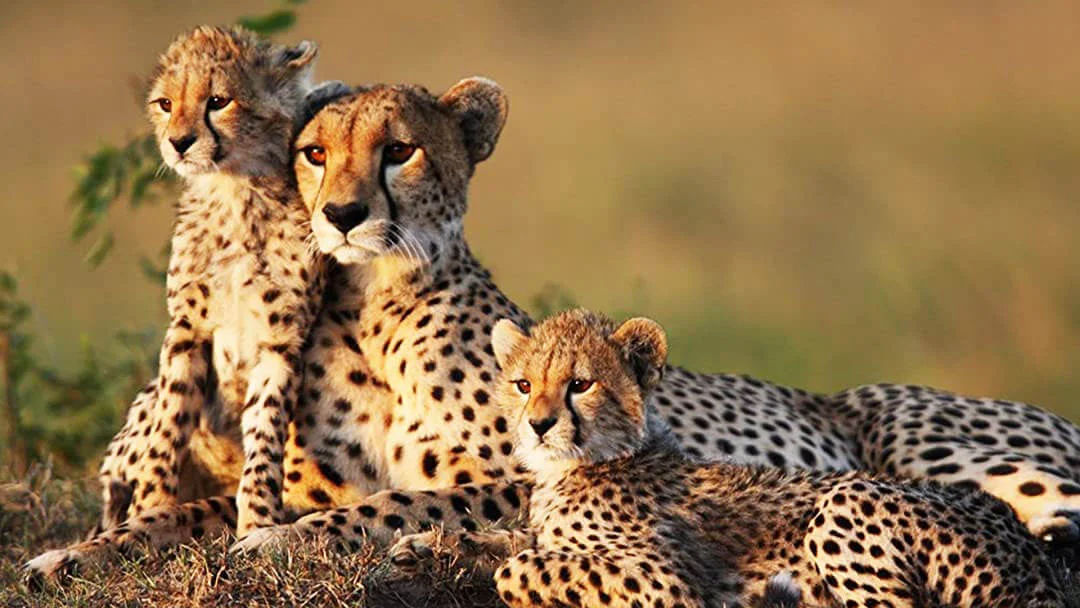
Meru National Park offers a diverse range of safari activities to visitors in its complete wilderness, including.
- Game Drives (morning and evening game drives)—Explore the park’s wildlife in open safari vehicles to spot the predator species in Meru NP, like lions, cheetahs, and leopards. The south side of the park can also be explored on full-day drives.
- Birdwatching – Spot over 427 bird species, including the Pel’s fishing owl.
- Guided Walks and Hikes – Learn about flora, insects, and smaller animals in Meru’s complete wilderness.
- Big Game Viewing—To spot a diverse range of wildlife species, including the big five, with low traffic in Meru NP.
- Camping – Stay in public or special campsites for an immersive wilderness experience.
- Cultural Encounters – Interact with local communities of Tharaka (Ura gate), Ameru (cultural villages), and Borana (Bisanadi gate).
- Fishing & Swimming – Done in selected rivers under ranger guidance, especially near Kinna cottages.
Choose the best Kenya safari company and start planning your customized safari in Kenya, and enjoy all these activities firsthand!
Where to Stay During Meru Park Safari Excursions in Kenya?
Meru National Park has several safari camps, lodges, guesthouses, and cottages catering to visitors of all service levels, from budget to luxury, and they include.
Elsa’s Kopje
The most luxurious lodge in Meru NP, perched on Mughwango Hill. It offers infinity pools, stunning views, and luxury cottages around a natural hilltop with 360-degree views.
Rhino River Camp
A boutique safari camp perched on about 32 hectares, near the rhino sanctuary in Meru NP, offering intimate safari experiences with comfort and charm, with a pool.
Meru Wilderness Camp
Perfect for safari goers seeking complete wilderness immersion. Offers tents under acacia woodland and starry skies, as well as a swimming pool.
More accommodation options include Meru Guest House, Kinna Guest House, Kinna Cottages, Meru Cottages, special campsites (Island Camp, Kambi Baridi, Golo 1, Golo 2, Fisi, Ndovu, Rojawero, Chuma, Muguga, Kenmare, Mamba, Kithanga, Princess, Makutano, etc.).
NB
It is worth noting that Meru NP has public campsites that don’t need reserving in advance, as well as special campsites that require prior booking for exclusive usage.
Other options include budget and midrange campsites managed by KWS, ideal for adventurous visitors.
To visit Meru NP and have a comfortable stay, book any of these in advance!
Guidelines to Consider When Exploring Meru National Park
As you visit Meru National Park, remember to follow these guidelines below
- Always travel with an experienced safari guide.
- Carry drinking water, sunscreen, insect repellent, binoculars, and a camera.
- Book special campsites in advance for exclusivity.
- Respect wildlife and keep a safe distance.
- Avoid night driving without a ranger escort.
Costs of Taking Part in Meru Park Safari Tours
- Entry Fees
Non-resident adults – USD 52; Non-resident children – USD 35
Resident adults – KSH 300; Resident children – KSH 215
Citizen adults—KSH 300; Citizen children – KSH 215
- Payment of Park Fees: Through eCitizen using M-Pesa, Visa, RTGS, or EFT (Electronic Funds Transfer)
- Security and Guides: For 4 hrs – KSH 1,720, Over 4 hrs KSH 3,015
- Vehicles: Less than 6 seats (KSH 300), 6-12 Seats (KSH 1,030), 13-24 seats (KSH 2,585), 25-44 seats (KSH 4,050), 45 seats+ (KSH 5,000)
- Meru National Park Accommodation: Luxury lodges (USD 250–700 per night), midrange camps (USD 150–250), budget camping (USD 20–50)
- Safari Packages: Tailor-made safaris range from USD 250 to USD 600 per day, depending on lodge choice, guide, and activities.
Liaise with a reputable travel agent for actual pricing as you plan to visit Meru NP!
How to Get to Meru National Park for a Safari in Kenya?
Meru National Park is situated approximately 350 km (220 miles) northeast of Nairobi, Kenya. Visitors can reach Meru’s complete wilderness
By Road
- 348 km from Nairobi via Embu or Nyeri-Nanyuki-Meru, with all-weather roads.
- 348 km from Nairobi to Maua, then from Maua to Murera Gate, it’s 35 km
- 290km Nairobi to Embu, then from Embu to Ura Gate, it’s 161 km
By Air
- Scheduled flights land at the main airstrip—Kinna Airstrip in Mulika—making access easy for safari goers. The airstrip is close to Meru Mulika Lodge
- Alternatively, visitors can fly to the Mughwongo Airstrip next to Elsa’s Kopje Eco-lodge
Best Time to Visit Meru National Park for Kenya Tours
The dry season (June–September, January–February) is best for game drives and predator sightings in the complete wilderness of Meru National Park. The wetter months are excellent for birdwatching and lush landscapes, though roads can be challenging.
What to Wear for a Safari in Kenya’s Meru Park?
To visit Meru National Park, visitors are encouraged to wear light, neutral-colored clothes, hats, and sturdy walking shoes, which are the best. Evenings can be cool, so carry a light jacket.
What to Pack for a Safari in Kenya’s Meru National Park?
Visitors to Meru NP are encouraged to bring or carry.
- Camera & binoculars
- Sunglasses & sunscreen
- Insect repellent
- First aid kit
- Camping gear (if camping overnight in the park) and appropriate hiking gear
- Refillable drinking water bottle
- Food or energy snacks
- Reserve car fuel if self-driving
Consult with your travel agent when you start planning your Meru Park safaris for the most recommended items to pack!
Threats and Conservation Efforts in Meru National Park
Meru faced extreme poaching in the 1980s because of dire neglect, nearly losing all its white rhino population.
The Kenyan government took action against poaching in Meru NP by removing poachers and reestablishing security.
And since the late 1990s, several conservation efforts have transformed the park through:
- Establishment of a new poacher-proof rhino sanctuary to boost restoration efforts
- Reintroduction of elephants from the Laikipia plateau to Meru Park by KWS
- Employment of more rangers for round-the-clock protection
- Support from the International Fund for Animal Welfare and the EU to restore Meru NP
Today, Meru NP has made a notable wildlife recovery since the 1990s and is now home to about 40 white rhinos and 20 black rhinos because of the successful breeding practices in the rhino sanctuary, alongside thriving populations of lions, elephants, and cheetahs.
These rhinos are monitored 24/7.
Top Kenyan Safari Companies Offering Mt. Meru Park Tour Packages
Contact any of these Kenyan safari operators for the best customized packages!
Meru National Park: Commonly Asked Questions
How Much Does a Safari in Kenya Cost?
Budget safaris cost USD 150–250 per day, while luxury tailor-made safaris can cost USD 500–1000 per day, depending on lodges, service level, and safari parks in Kenya.
What Is Unique About Meru National Park?
Its combination of complete wilderness (well watered and untouched), diverse habitats, rhino sanctuary, and the Born Free legacy makes it unique, though it still stands as the least visited Kenya national parks in East Africa.
What Is the Movie About Meru National Park?
The film Born Free tells the story of Elsa the lioness, raised by George and Joy Adamson in Meru.
What Is Meru, Kenya, Famous For Besides Tana River?
Meru is famous for Elsa’s story, rhino conservation, big herds of buffalo, and untouched wilderness among all of the Kenya safari parks.
How Much Does It Cost to Enter Meru National Park?
The cost to enter Meru National Park varies by residency and age, with fees ranging from $35 (children) to $52 (adults) for non-residents and KSH 215 to KSH 300 for Kenyan residents and citizens.
Which Kenyan Safari Is Best?
Each Kenyan safari park offers something unique—Masai Mara is famous for wildebeest migration, Amboseli for elephants and views of Mount Kilimanjaro in Tanzania, and Meru for complete wilderness and rhino sanctuary safaris, among others, so choosing the best depends on your tastes and preferences.
How Much Does It Cost to Go on Safari in Raja Ji National Park?
Though located in India, costs start from about USD 25–50. For comparison, Kenya safaris average USD 250–600 per day.
Conclusion
Meru National Park, Kenya, is one of East Africa’s most authentic safari destinations. From the legacy of George and Joy Adamson and the Born Free lioness Elsa to its successful rhino sanctuary and thriving complete wilderness, the park offers a wild safari unlike any other.
Whether you are exploring acacia woodland, watching elephants and lions, or camping under starry skies of this lonely planet, a Meru Park Safari is a memorable journey into Kenya’s wild heart.
Reach out to us now and let us customize the best Meru National Park tours for you to create unforgettable memories!

Over 300 excellent reviews on TripAdvisor
Over 50 excellent reviews on Safaribookings.
Over 50 excellent reviews on Safaribookings.
12+ years of experience.
Best price guarantee.

Robert
Speak to a specialist to plan your customized safari and experience safari tours like never before...
Get expert safari advice: Call or arrange a video appointment with our tour specialists.