 >
> Welcome to Ruma National Park, a breathtaking safari destination nestled in the heart of Western Kenya.
Known as the “Last Retreat of the Roan Antelope,” this only terrestrial park in Kenya’s Nyanza Province offers an unforgettable Kenya safari experience.
With its undiscovered wildlife treasures, stunning landscapes, and serene ambiance, Ruma National Park is one of the best Kenya national parks and a must-visit for nature lovers and adventure seekers.
This 120 km² park is the only indigenous population sanctuary for the endangered roan antelope, making it a critical site for conservation.
Whether you’re drawn to wildlife viewing, bird watching, or nature walks, Ruma NP promises a unique and crowd-free Kenya safari experience.
In this comprehensive guide, we’ll explore everything you need to know about Ruma NP, from its exceptional wildlife and rare birds to safari activities, accommodation options, and the best time to visit.
Let’s dive into the wonders of Ruma NP and plan your next adventure in Kenya!
Key Facts About Ruma National Park
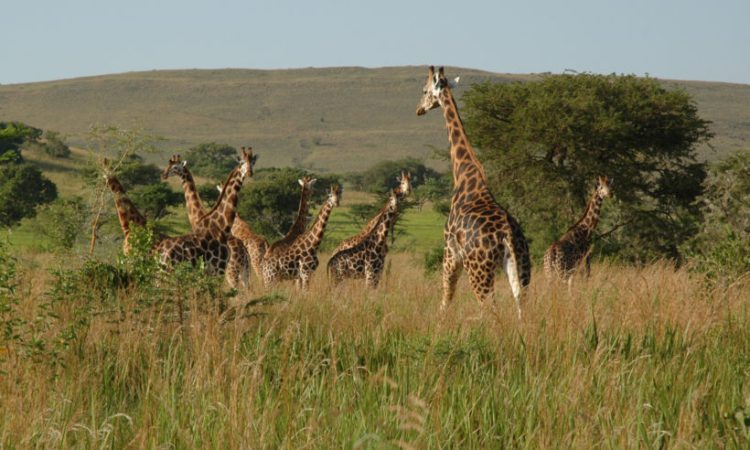
Ruma NP is a hidden gem in Western Kenya, renowned for protecting Africa’s rarest antelopes, the roan antelope. Here are the other essential facts:
× Location: Situated in Homa Bay County, near Lake Victoria, approximately 389.3 km from Nairobi and 147.1 km from Kisumu.
× Size: The park covers an area of 120 km², offering a compact yet diverse safari experience.
× Significance: It’s the only terrestrial park in the Nyanza Province of Kenya and the last sanctuary for the endangered roan antelope, with fewer than 40 individuals remaining in Kenya.
× History: Established in 1966 as Lambwe Valley Game Reserve, it was renamed Ruma National Park upon the local community’s request to honor the legendary wizard Gor Mahia.
× Biodiversity: Home to over 400 birds, including the globally threatened blue swallow, a one such avian species regularly recorded in Kenya, and a variety of mammals like bush pigs, giraffes, eastern black rhinos, and oribi.
Location and Size of Ruma National Park
Ruma National Park lies in the scenic Lambwe canyon, just 10 km east of Lake Victoria in Homabay County in the Western part of Kenya.
This 120 km² park, perched 1,170-1,638m / 3,839-5,374ft above sea level, is a haven of tranquillity, surrounded by cultivated lands and small-scale pastures.
Its close proximity to Lake Victoria and also approximately 389.3 km from Nairobi and 147.1 km from Kisumu city, makes it a unique destination, offering a blend of terrestrial and aquatic adventures in Kenya.
The park covers a compact area, making it easy to explore via its two main gates: Kamato Gate and Nyatoto Gate, with entry payments being cashless.
Whether you’re traveling from Nairobi (425 km) or Kisumu (140 km), Ruma NP is an accessible retreat for Kenya tours.
Geography of Ruma National Park
The geography of Ruma NP is a stunning mosaic of landscapes often seen during safaris in Kenya.
The park lies on the flat floor of the seasonally watered Lambwe River Valley, bordered by the dramatic Kanyamwa Escarpment to the southeast and the volcanic Ruri Hills to the north.
The region in which it is situated is considered highly cultivated and populated, making it an island of wilderness.
This fist-shaped peninsular extending into Lake Victoria features rolling savannah, riverine woodland, acacia thickets, and towering cliffs.
The Lambwe Canyon is enriched by the Lambwe River, which supports vibrant ecosystems and attracts various wildlife species.
The park’s diverse terrain, including magnificent escarpments and golden grasslands, makes it a paradise for photographers and nature enthusiasts.
Climate and Weather of Ruma National Park
Ruma NP experiences a hot & humid climate with two distinct rainy seasons: the long rains from March to June and the short rains from October to early December.
The dry seasons, from June to October and January to February, offer the best time to visit for wildlife viewing, as animals congregate around water sources available.
However, the rainy season transforms the park into a lush, green oasis, ideal for spotting migrant species like the migrant blue swallows and enjoying vibrant Ruma’s birdlife.
Visitors should note that roads can be challenging during the peak of the rainy season (April, May, and November), requiring a sturdy 4×4 vehicle for navigation purposes.
History of Ruma NP
Established in 1966 as the Lambwe Valley Game Reserve, Ruma NP was created to protect the only local population of scarce roans, also known as Korongo in Swahili, Kenya.
In 1983, it was gazetted as a national park and renamed Ruma National Park at the request of the local community to honor Gor Mahia, a revered Luo wizard who lived near the Kanyamwa Escarpment.
The park protects Kenya’s last remaining sanctuary for the threatened roans, which faces threats from habitat loss and poaching.
Today, Ruma NP stands as a testament to Kenya’s commitment to preserving its undiscovered wildlife treasures.
Ruma National Park Management
Managed by the Kenya Wildlife Service (KWS), Ruma NP is dedicated to conserving its exceptional wildlife species and habitats.
KWS oversees park security, wildlife monitoring, and restoration efforts, particularly for the endangered Kenya antelopes.
The park’s perimeter fence, erected in the 1990s, is critical for protecting species like the roans from poaching and human-wildlife conflict, though it requires ongoing maintenance.
KWS also manages accommodation options like the Oribi Guesthouse and campsites, ensuring a sustainable tourism experience for guests on Kenya safari holidays.
Tourist Attractions and Animals in Ruma National Park Seen During Kenya Safaris
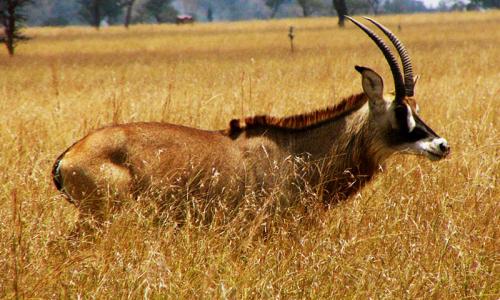
Ruma NP is a haven for wildlife, offering unparalleled opportunities to see Africa’s rarest antelopes and other remarkable animals. Key attractions include:
- Roan Antelope: The park protects Kenya’s only indigenous population of rare roan antelopes, large, grey-to-rufous antelopes with distinctive black-and-white faces, living in herds led by a bull. With fewer than 20 individuals, they’re confined to a 6.5 km² fenced sanctuary near Nyatoto Gate.
- Oribi Antelope: Known as Taya in Swahili, the graceful oribi antelope/oribi inhabits grasslands and dense undergrowth with black knee tufts and lives in bonded pairs or small groups.
- Rothschild’s Giraffes: These majestic creatures are a highlight of Kenya safaris in Ruma NP.
- Eastern Black Rhinos and White Rhinos: Recently reintroduced, these rhinos enhance the park’s biodiversity.
- Other Mammals: Spot vervet monkeys, bush pigs, African elephants, Burchell’s zebra, spotted hyenas, serval cats, impalas, Jackson’s hartebeest, Cape buffaloes, leopards, and honey badgers.
- Reptiles: The park boasts an exceptional snake population, including the African spitting cobra, forest cobra, eastern green mamba, black-mouthed mamba, and puff adder, as well as other reptiles like geckos.
- Birdlife: Ruma’s birdlife is exceptional, with over 400 birds making it an Important Bird Area, including the critically threatened blue swallow, a rare intra-African migrant that arrives from Southern Tanzania breeding grounds in April and departs in September, and highly depends upon moist grassland for both feeding and roosting.
- Other avian species include African fish eagles, kingfishers, sunbirds, red-necked spurfowl, yellow-throated longclaw, white-fronted bee-eater, and pelicans.
- Stunning Park Landscapes: The park’s panoramic landscapes, from Oxisols (black cotton clay) and rolling savannah to riverine woodland and towering cliffs, provide a stunning backdrop for wildlife viewing. Notable ones include the Kanyamwa Escarpment (southeast), the volcanic Ruri Hills (north), and the westerly Gwassi Hills, which separate Ruma from L. Victoria.
Safari Activities Done in Ruma NP During Safaris in Kenya
Ruma NP offers a range of thrilling safari activities for an immersive Kenya safari experience:
1) Game Drives and Wildlife Viewing
Game drive tours and game viewing offer an exciting experience to enjoy various wildlife in Ruma NP during Kenya wildlife safaris.
Morning and evening game drives from Kamato Gate allow visitors to explore the marvelous landscapes and spot various wildlife like roans, Rothschild’s giraffes, Cape buffalo, Lelwel hartebeests, the serval cat, hyena, impala, vervet monkey, Jackson’s hartebeest, and eastern black rhinos. The dry season is ideal for wildlife viewing and game drive safaris.
2) Birdwatching
With over 400 birds, Ruma NP is a paradise for birders who come for bird-watching tours in Kenya. Spot migrant swallows, African fish eagles, and other avians during the rainy season.
3) Nature Walks
Guided bush walks offer an up-close encounter with spectacular nature and wildlife sights, including oribi antelope and diverse plant species.
4) Boat Cruise Tours on L. Victoria, Kenya
Lake Victoria boat rides let you explore aquatic bird species and wildlife like pelicans and kingfishers, as well as hippos and crocodiles, while enjoying a sunset cruise.
5) Camping and Picnicking
Camping activities are possible and available in Ruma Park, which allows visitors to enjoy the wilderness and have picnics.
Stay at picnic sites like Twiga and Korlang’o for a wilderness experience. Korlang’o camping site is a historical site linked to the Kalenjin’s colonial resistance.
6) Hiking
Explore the Gwassi Hills for stunning views and encounters with wildflowers and bird species.
These activities make Ruma Park Safaris & Tours a unique adventure for all travelers.
Guidelines to Follow During Ruma Park Safaris & Tours
To ensure a safe and enjoyable Ruma Park Safaris & Tours experience, follow these guidelines:
- Stay inside safari vehicles during game drives to avoid disturbing wildlife.
- Do not feed or approach animals, especially eastern black rhinos or leopards.
- Carry insect repellent to protect against tsetse flies, common in the Lambwe Valley.
- Bring packed meals and water, as there are no restaurants inside the park.
- Hire a professional guide for better game viewing and insights into conservation efforts.
- Follow Kenya Wildlife Service rules to respect the park’s ecosystem.
World-Class Safari Lodges and Hotels in Ruma National Park
Ruma NP offers diverse accommodation options to suit all budgets, both within and around the park:
- Luxury Accommodations: Rusinga Island Lodge and Mfagano Island Camp provide world-class amenities and stunning views of Lake Victoria.
- Mid-Range Accommodations: Ruma River Lodge and Golden Rays Resort offer comfort and excellent service near the Lambwe Valley.
- Budget Accommodations: Oribi Guesthouse, managed by KWS, is a self-catering option on the Kanyamwa Escarpment, ideal for budget travelers. Other options include ACK Guesthouse and Ruma Tourist Lodge.
- Campsites: Nyati Campsite, Twiga Campsite, and Fig Tree Campsite offer a wild, immersive experience under the stars.
These world-class safari lodges and hotels ensure a memorable stay during your Kenya tours.
Safari Prices Incurred During Ruma Park Safaris & Tours
Ruma NP is budget-friendly compared to other Kenyan safari parks.
Entrance fees are:
- Non-Resident Adults: USD $22 per day ~ KES
- Non-Resident Children: USD $13 per day
- Resident Adults: KES 300
- Resident Children: KES 125
- Citizen Adults: Approximately KES 300
- Citizen Children: Approximately KES 125
A safari van with an open roof costs around KES 6,000 per day, excluding driver-guide and fuel costs.
Accommodation rates vary by season and type, with luxury lodges being pricier than campsites.
Carry Kenyan Shillings (KES) for small expenses, as some facilities may not accept credit cards for several reasons.
How to Get to Ruma NP for Kenya Tours?
Ruma NP is accessible by air and road across three main circuits easily accessible by 4×4 vehicles all year round from 6.00 am to 7.00 pm, including public holidays, and perfect for day trips:
By Road: From Nairobi (425 km, ~8 hours), drive via Nakuru, Kericho, and Kisii to Homabay, then take the C20 tarmac road to Rodi Kopany and Mirogi to reach Kamato Gate (42 km from Homa Bay).
From Kisumu (140 km), use the same route or take a ferry from Lwanda K’Otieno to Mbita and drive to Nyatoto Gate.
By Air: Fly from Nairobi to Homa Bay via Fly-Sax or to Kisumu International Airport (80 km away, ~USD 40, for 4 hrs), then hire a taxi or bus to the park.
A 4×4 vehicle is recommended due to variable road conditions, especially during the wet season.
Book your Kenya trips to Ruma through trusted operators like Prime Safaris & Tours Ltd, Kenya Safari Tours, Wild Gorilla Safaris, Africa Safari Tours, etc.
Best Time to Visit Ruma National Park
Ruma NP can be visited year-round. However, the best time to visit Ruma National Park is during the dry seasons (June to October and January to February) for optimal game viewing.
Animals, especially key mammals like the eastern black rhinos, Rothschild’s, African elephants, and leopards, gather around water sources, making them easier to spot during these dry months.
The wet season (March to June and October to December) is ideal for bird watching, especially to see the scarce intra-African migrant species like the swallow (blue) that depends upon moist grassland for both feeding and roosting, arriving in Kenya from their breeding grounds in Southern Tanzania around April.
Avoid peak rainy months due to challenging road conditions of the short rains in November and during the long rains in April and May.
Safari Packing List for Ruma NP

For a successful Ruma Park Safaris & Tours experience, pack:
- Lightweight, long-sleeved clothing to protect against tsetse flies and malaria.
- Sturdy walking shoes for nature walks and hiking.
- Birding Binoculars for bird watching and game viewing.
- Camera for capturing marvellous landscapes and wildlife.
- Insect repellent and sunscreen.
- Hat and sunglasses for protection from the sun rays
- Camping gear
- Reusable drinking water bottle and packed meals, as no food services are available in the park.
- Kenyan Shillings (KES) for entrance fees and small purchases.
Ruma NP FAQs
- What Is Ruma National Park Known For?
Ruma NP, the only national park in Kenya’s Nyanza Province, is famous for being Kenya’s last remaining sanctuary for the endangered roan, hosting over 400 rare birds Ruma’s birdlife, including the globally threatened blue swallow, and offering a tranquil, crowd-free Kenya safari experience.
Visitors can engage in several safari activities, such as game drives, guided nature walks, and birdwatching in Ruma NP, to see most of these wonders during Kenya tours.
- Are There Elephants in Ruma National Park?
Yes, Ruma NP is home to African elephants, which can be spotted during game drives, alongside other animal species like Rothschild’s giraffes and eastern black rhinos.
- What Is the Most Visited National Park in Kenya?
Maasai Mara National Reserve is Kenya’s most visited park, renowned for the Great Migration and abundant wild fauna species. However, Ruma NP offers a quieter, equally rewarding alternative.
Other safari parks in Kenya, such as Chyulu Hills, Aberdare, Amboseli, Arabuko Sokoke, Central Island, Hell’s Gate, Kora, Lake Nakuru, Malka Mari, Meru, Mount Elgon, Mount Kenya, Nairobi, Ndere Island, Ol Donyo Sabuk, Saiwa Swamp, Sibiloi, South Island, Tsavo East, and Tsavo West, also showcase diverse ecosystems and wildlife.
- Are There Lions in Ruma National Park?
While Ruma NP has predators like leopards and hyenas, lions are not commonly found in this wildlife safari park. The park’s focus is on rare roans and Rothschild’s giraffes.
Conclusion
Ruma Park, Kenya’s hidden savanna jewel, thrives with roan and oribis, Jackson’s hartebeest, hippo lagoons, and Nile lechwe amid Lambwe Ravine’s acacia groves. Delve into bird-filled wetlands, guided game drives while visiting Ruma NP. Email us now and let us plan the best Kenya vacation for you to Ruma Park!

Over 300 excellent reviews on TripAdvisor
Over 50 excellent reviews on Safaribookings.
Over 50 excellent reviews on Safaribookings.
12+ years of experience.
Best price guarantee.

Robert
Speak to a specialist to plan your customized safari and experience safari tours like never before...
Get expert safari advice: Call or arrange a video appointment with our tour specialists.