 >
> Udzungwa National Park or Udzungwa Mountains National Park, is situated in the southern portion of Tanzania. The park is a paradise for nature lovers and birdwatchers from all over who come to experience Tanzania.
Tanzania’s Udzungwa is a national park with the second-largest biodiversity in Africa, home to rare primates like the Iringa red colobus and Sanje crested mangabey, over 400 bird species, and breathtaking scenery from tropical rainforest to mountain forest and miombo woodlands as seen on Tanzanian tours.
Udzungwa Park is part of the Eastern Arc Mountains and is perfect for Tanzanian tours centred on trekking and animal viewing, with a variety of hiking trails, the picturesque Sanje waterfalls, and rare species.
This Udzungwa Park in Ruaha National Park offers unforgettable adventures for hikers and biologists, whether you’re seeking rare Iringa red colobus monkeys or simply exploring waterfall plunge pools as a tourist or thrill-seeker.
It is also worth noting that the best time to visit Udzungwa is during the dry months to ensure the best access and most fun during the Tanzanian holidays.
Now let’s get to the nitty-gritty of what’s involved in visiting Udzungwa NP!
Key Facts About Udzungwa NP
Unique “Walking Only” Park: There are no roads or vehicle access to Udzungwa Park. It is only accessed on foot, via hiking trails from easy nature walks to strenuous multi-day excursions like the 6-day Lumemo Trail.
Indigenous primates: Udzungwa Park is home to indigenous primates of the area such as Iringa red colobus and Sanje crested mangabey. Scientists didn’t discover the mangabey until 1979.
Sanje Waterfall: Beautiful second-highest waterfall in Tanzania at 170 meters high. There are plunge pools to splash around in. A highly popular 4-hour hike frequently done by tourists.
Ecodiversity Hotspot: Udzungwa is one of 34 ecodiversity hotspots in the world with over 400 bird species and 25% native vegetation. It has the second-highest ecodiversity of any African wildlife park.
Ancient Jungles: The Udzungwa is part of the Eastern Afromontane Hotspot; its jungles have been isolated for over 30 million years, earning the term “African Galapagos” for evolution.
No lodges, only camping: The only accommodation option inside Udzungwa Park is camping. Tanzanian holidaymakers will experience real wilderness under the stars.
New discoveries continue: Udzungwa woodland partridge (1991) and endemic chameleon (2009) are only a couple of new types of things and discoveries that are still being discovered here in Udzungwa to date.
Extreme Altitude Range: Udzungwa Park has an altitude range from 250 to up to 2,576 meters (Lohomero Mountain) and includes diverse habitats from tropical jungle to grassland and steppe.
High Endemism: Udzungwa Park contains 30-40% of Tanzania’s natural flora and fauna and six kinds of simians (five native species).
Protection Setup: The Udzungwa Park was gazetted in 1992 from the ancient forest reserves for the protection of its unique species and essential water catchments.
Such factors make Udzungwa Park a secret jewel for Tanzania’s birders, hikers, and wildlife lovers!
Udzungwa National Park Location and Size
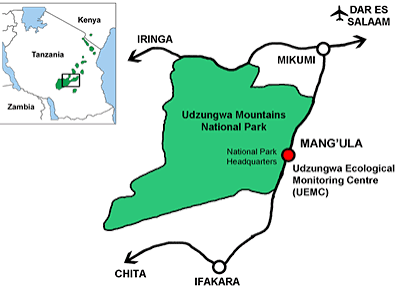
Udzungwa National Park sits on the south side of Tanzania, spanning Kilolo District in Iringa Region and Kilombero District in Morogoro Region, near the Kilombero Valley, about 350 km southwest of Dar es Salaam and 65 km from Mikumi National Park.
The Udzungwa park covers 1,990 square kilometers, with an altitude from 250 to 2,576 meters at Lohomero peak, part of the Eastern Afromontane Hotspot and this game park offers diverse environments like tropical and miombo jungles, making it accessible only on foot.
History and Conservation of Udzungwa Mountains National Park
Udzungwa Mountains National Park was established in 1992 to safeguard its rich ecodiversity and rare species, found in five ancient forest reserves that have persisted for over 30 million years.
The name ‘Udzungwa’ derives from the Kihehe word for ‘people who live by the side of the mountains,’ suggesting local cultural connections. Udzungwa Park is one of the 34 World Biodiversity Hotspots, part of the Eastern Afromontane Hotspot and home to unique cultural and historical sites of regional tribes.
In Udzungwa Park, the aim of conservation is to safeguard native species, like the Iringa red colobus and the Sanje crested mangabey, which were not recognized to science until 1979.
The Udzungwa park holds 30 to 40% of Tanzania’s indigenous trees and beasts, including the Kihansi spray toad, briefly extinct in the wild in 2009 but reintroduced.
Preservation efforts in Udzungwa Park also preserve environments from threats, ensuring this second-largest biodiversity spot in the African continent thrives for nature lovers and scientists.
Geography and Landscapes of Udzungwa Mountains National Park
Udzungwa NP features diverse geography as part of the Eastern Arc Mountains, with altitudes from 250 to 2,576 meters at Lohomero peak, with diverse Udzungwa Park landscapes including tropical jungle, mountain forest, miombo jungle, grassland, and steppe, creating rich environments for indigenous types.
The Udzungwa Park spans 1,990 square kilometers on the south side of Tanzania, near Kilombero Valley, with ancient isolated jungles contributing to high ecodiversity with unique landforms like the 170-meter Sanje Waterfall and Mwanihana peak offering picturesque views, while the lack of paved roads makes it reachable only on walks.
This Udzungwa game park receives high rainfall, supporting lush vegetation and rare simians.
Weather and Climate of Udzungwa Mountains National Park
Udzungwa Mountains National Park has a warm, temperate climate with distinct wet and dry seasons.
The dry season from June to October in Udzungwa Park brings cooler temperatures, around 9 degrees at night to 21 degrees during the day, with little rain, ideal for hiking trails.
The wet season spans March to May in Udzungwa Park with heavy long rains and November for shorter ones, seeing highs of 22-25 degrees and lows around 13 degrees, making paths muddy and less reachable.
Higher elevations experience mist and light rain even in dry months in the Udzungwa Park.
Overall, the Udzungwa Park gets some of Tanzania’s highest rainfall, fostering its tropical and miombo forest habitats, perfect for birdwatchers and nature enthusiasts on the south side.
Udzungwa Mountains National Park Management
Udzungwa NP is managed by the Tanzania National Parks Authority (TANAPA) under the Ministry of Natural Resources and Tourism, and is geared toward conservation and sustainable tourism.
Udzungwa Park is an IUCN category II site and has tight limitations, e.g., only ground access, since there are no roads.
Preservation is the protection of ecodiversity hotspots and native species in Udzungwa Park. Government funding of patrols and infrastructure, together with community engagement, benefits local tribes and helps keep the 1,990 square kilometres of the park clean.
Amazing Things to See in Udzungwa Mountains National Park
Biodiversity And Wildlife of Udzungwa National Park (E.G., Rare Primates, Birds, And Wild Animals)
Wild Animals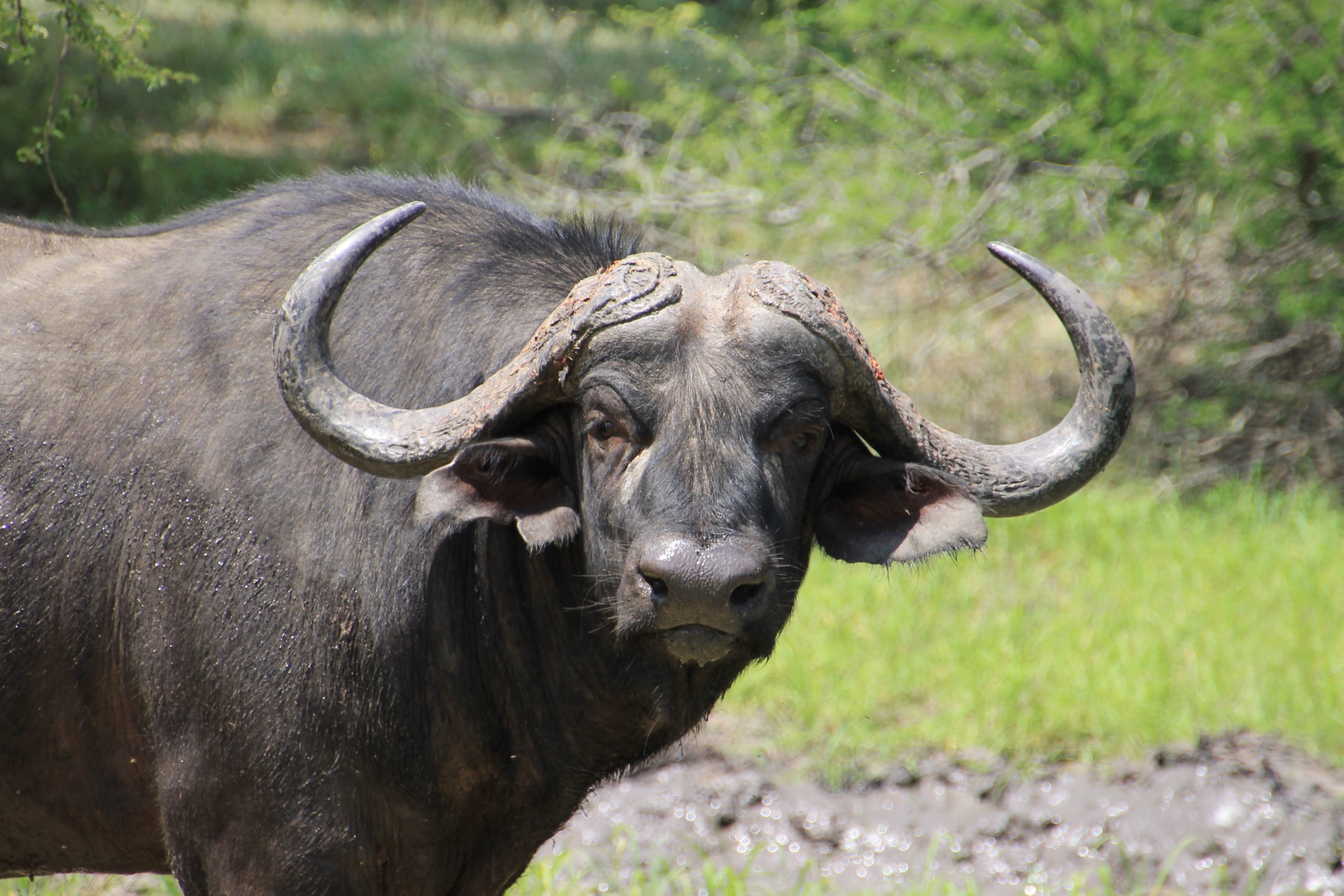
Udzungwa NP teems with diverse wild creatures in its montane, tropical and miombo jungles seen during Tanzanian vacations.
Spot large mammals like elephants in the southern escarpment, buffaloes, leopards, lions, sable antelopes, greater kudu, bush duikers, Harvey’s red duikers, palm civets, miombo genets, sun squirrels, climbing mice, spiny mice, pouched rats, elephant shrews, and hyenas.
Other Udzungwa unique fauna types include Abbott’s duiker, the kipunji, and the grey-faced sengi, thriving in this second-largest ecodiversity hotspot. The Kihansi spray toad, once extinct in the wild in 2009, lives near waterfalls.
This endangered species-rich area Udzungwa Park attracts life scientists and nature enthusiasts for sightings in grassland and steppe environments.
Unique Primates
Unique simians define Udzungwa Mountains National Park’s appeal, with six species recorded, five native, as witnessed during Tanzanian holidays.
The Iringa red colobus monkey, also called the rare Iringa red colobus, features striking red fur and is found only here in Udzungwa NP alongside the Sanje crested mangabey, undetected by biologists until 1979. Other indigenous simians include the Matunda galago, black and white Angola colobus monkeys, blue and vervet monkeys, and yellow baboons.
These beasts inhabit the tropical jungle and mountain peaks of Udzungwa NP, making simian tracking a highlight for visitors. As part of Tanzanian tours, spotting these endangered species in their natural environments offers thrilling experiences for climbers and wildlife enthusiasts.
Bird Species
Bird lovers flock to Udzungwa NP for over 400 Avian types, making it a top spot for birders on Tanzanian birding spotting excursions.
Native Avians in Udzungwa Park include the Udzungwa forest partridge (discovered in 1991), rufous-winged sunbird, and dappled mountain robin. Other notable types of avians are the African marabou, crowned eagle, Ruppell’s vulture, African hobby, francolin, malachite kingfisher, woodland kingfishers, trumpeter hornbill, silver-cheeked hornbill, green-headed oriole, Sharpe’s akalat, olive-flanked robin-chat, and white-chested alethe.
This ecodiversity hotspot Udzungwa NP in the Eastern Afromontane Hotspot supports migratory and forest birds, making it ideal for Tanzanian birding amid the miombo jungle and savannah.
Sanje Waterfall and Other Cascades
Sanje Waterfall, one of the largest in Tanzania at 170 meters, falls into plunge pools where you can swim, with misty vistas across the tropical jungle of the Udzungwa Park.
This stunning Udzungwa Park attraction, with three stages (170m, 30m, 70m), is a highlight for climbers on the four-hour Sanje Falls trail. Other cascades include Prince Bernhard Falls, Njokamoni Falls, Mwaya Falls, Sonjo Falls, Msolwa Falls, Chizua Waterfalls (smaller and serene for birdwatching), and Maia Falls.
These sites amid montane & miombo jungles draw visitors for refreshing dips and scenic photos in Udzungwa Park areas, enhancing Tanzanian experiences in this biodiverse park.
Udzungwa Mountains
The Udzungwa Mountains are the heart of this national park. They are one of the Eastern Afromontane Hotspot and have peaks like Lohomero (2,576 meters) and Mwanihana. These ancient ranges of Udzungwa NP are more than 30 million years old and contain a variety of environments from tropical jungles to plains. Trekking trails in Udzungwa lead to views of the Kilombero Valley and sugar plantations; it’s a good stop for trekkers on Tanzanian tours looking for indigenous species and butterflies.
OTHER ATTRACTIONS
Mwanihana Forest Reserve
Mwanihana Forest Reserve, integrated into the Udzungwa park, offers multi-day hikes to Mwanihana peak, the second-highest point, with native flora like African violets. Spot jumbos, buffaloes, and rare simians amid the lush vegetation of this park area.
Unique Flora
Udzungwa NP is home to more than 2,500 plant species, 25% of which are endemic, including rare trees and winged insects such as Charaxes Lucyae Mwanihanae. The medicinal plants in the ancient jungles of Udzungwa Park attract experts to the ecodiversity hotspot.
Bottom Line
In reality, Udzungwa NP captivates most travelers with its pristine landscapes and rare wildlife, offering a unique Tanzanian vacation escape for those seeking authentic nature adventures away from the vast crowds.
Udzungwa Scar
Udzungwa Scar features steep cliffs and hiking trails through fresh, cool jungles in Udzungwa Park teeming with rare creatures like the Iringa red colobus. Over 400 plant types thrive here in Udzungwa NP, creating a green kingdom for explorers on Tanzanian vacations.
Kilombero Valley Viewpoint
Kilombero Valley Viewpoint provides wide vistas of the valley in the Udzungwa Park, perfect for sunrise or sunset photos during photography vacations in the park areas. Hike through jungles spotting monkeys and birds, feeling atop the world amid sugar cane plantations below.
Fun Things to do in Udzungwa Mountains National Park
- Wildlife Viewing
Wildlife viewing in Udzungwa NP immerses you in diverse habitats like tropical rainforests and miombo woodlands, where you can spot jumbos, buffaloes, leopards, hunting dogs, bushbucks, duikers, Abbott’s duiker, kipunji, grey-faced sengi, palm civets, miombo genets, sun squirrels, climbing mice, spiny mice, pouched rats, elephant shrews, hyenas, snakes, lizards, and frogs.
This threatened species hotspot, Udzungwa Park, with the second-biggest biodiversity on the African Continent, shines during the dry season from Jun to Oct when vegetation thins for easier sightings. Tanzanian tours here offer intimate encounters in this foot-accessible park Udzungwa, ideal for nature enthusiasts.
- Birding
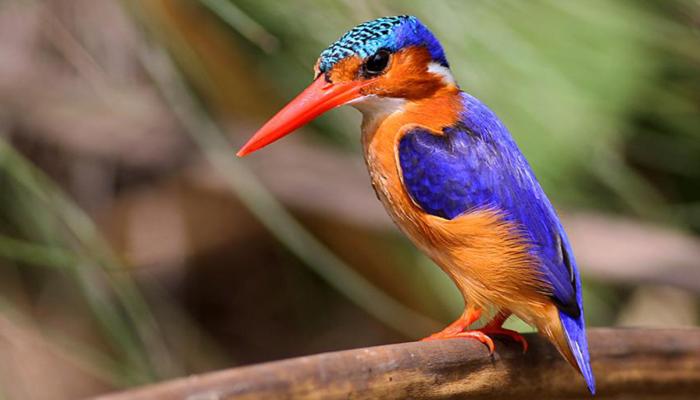
Birding thrives in Udzungwa NP, a bird observation paradise with over 400 types, including African marabou, crowned eagle, Ruppell’s vulture, African hobby, francolin, rufous-winged sunbird, malachite kingfisher, woodland kingfishers, trumpeter hornbills, silver-cheeked hornbills, green-headed oriole, dappled mountain-robin, Sharpe’s akalat, olive-flanked robin-chat, white-chested alethe, and Udzungwa forest partridge (discovered in 1991).
As one of the African continent’s top bird conservation areas, Udzungwa Park attracts birders to jungles and savannahs during avian-spotting excursions, and all they need to do is carry birdwatching binoculars for spotting natives during Tanzanian walks, especially in the dry season and wet months for migratory birds.
- Camping
Camping is the only accommodation available inside Udzungwa NP, with small campsites offering immersive experiences amid tropical & montane jungles during Tanzanian expeditions there.
This means that since no lodges exist, tourists pitch tents for nights under stars, hearing wild fauna like rare simians and Avians all through the night. This budget-friendly option suits nature enthusiasts looking forward to seeing panoramic views of cascades and peaks in Udzungwa NP.
Tanzanian tour packages often include guided camping on designated trails like Lumemo, ensuring safety for all travelers, and all they need to do is prepare for wet season rains from Mar to May, though the dry months from Jun to Oct provide ideal conditions for this pristine ecosystem hotspot.
- Primate Tracking
Primate tracking in Udzungwa Park highlights six species, five indigenous: the Red Iringa colobus, Sanje crested mangabey (undetected until 1979), Matunda galago, black and white Angola colobus, blue and vervet monkeys, and yellow baboons seen during Tanzanian expeditions.
Travellers often trek through tropical jungles for face-to-face encounters with these endangered creatures.
Guided tours in Tanzania allow safe spotting in this wildlife hotspot. Suitable for all ages and showing behaviour in natural surroundings, the best time is the dry season when routes are clearer.
- Hiking
Hiking dominates Udzungwa activities, with designated trails from short Sonjo treks (one hour) to the challenging six-day Lumemo Trail or two-night Mwanihana trail to peaks like Lohomero and Mwanihana.
Trekkers explore tropical & highland jungles and savannahs, spotting native types and winged insects when in Udzungwa NP.
The popular Sanje Falls trail (four hours) leads to 170m cascades in Udzungwa Park for swimming in plunge pools.
Therefore, this pedal-only game park, Udzungwa, offers panoramic views of Kilombero Valley, ideal for trekkers on Tanzanian adventures.
- Cultural Experiences
Cultural experience at Udzungwa Park includes interaction with local people such as the Wapogoro, Wandamba and Wabena tribes in Mang’ula village.
Travellers can enjoy traditional drumming performances (Ngoma), stroll through bustling markets, take village tours to see the rural life of the inhabitants and visit rubber plantations and historical sites too.
Besides, travellers can also learn about the Kihehe roots and taboos maintaining pristine places while at Udzungwa Park.
Tanzanian trips in Udzungwa Park integrate wildlife with traditional experiences, including cycling and canoeing, for photography and insight into the legacy of southern Tanzania.
- Walking Safaris
Udzungwa is a walking park and has no roads. You can journey through tropical rainforest and miombo jungle on walking safaris.
The hikes provide travellers with the opportunity to see rare simians, birds, and beasts like jumbos and leopards, with rangers on hand for safety. Sanje Falls and other routes offer opportunities to see the wildlife up close and to swim in the waterfalls.
This close-up Tanzanian tourism activity is ideal for environment lovers, displaying local kinds and terrains in this diverse ecosystem hub. (Best Jun-Oct)
- Canoeing
You can enjoy serene game viewing from the water while canoeing on the Kilombero River, which borders Udzungwa Park.
Travers can also glide past towering trees, spotting colorful Avians, hippos, crocodiles, monkeys, and winged insects along riverbanks.
Guided Tanzanian tours combine such activities with climbing, exploring rubber plantations, and touring villages.
Whereas there are no park-internal canoeing opportunities, nearby adventures close to Udzungwa Park provide unique perspectives of the Eastern Arc Highlands and miombo jungles, ideal in the dry season for calm waters.
Udzungwa NP Rules & Regulations
- No hunting/fishing allowed.
- No plants or animals may be collected or removed from the park.
- Do not drive off-road to damage the habitat.
- Do not disturb or feed wildlife.
- No pets are allowed within the park.
- Entrance permits required. Work with gate/operators.
- Wear sturdy shoes and bug spray, and follow the instruction recommendations.
- Do not litter. Camp only in designated places.
- Respect cultural sites and communities
- Keep to marked trails so as not to disturb the wildlife.
Udzungwa National Park Accommodation
Luxury
- Udzungwa Falls Lodge
- Udzungwa Forest Tented Camp
Mid-range
- Udzungwa Mountain View Camp
- Angalia Tented Camp
- Hondo Hondo Udzungwa Forest Tented Camp
- Twiga Hotel
Budget
- Tan-Swiss Lodge
- Pride Lands Safari Lodge
- Local guesthouses in Mang’ula village
- Voyage Village Lodge
- Morogoro White House Inn
Udzungwa National Park Costs, Fees and Activity Rates
| Category | Non-Resident Adults (USD) | Non-Resident Children (5-15) (USD) | Resident Adults (USD) | Resident Children (5-15) (USD) | Citizen Adults (TZS) | Citizen Children (5-15) (TZS) |
| Entrance Fee | 30 | 10 | 15 | 5 | 10,000 | NA |
| Public Campsite (per person/night) | 35.40 | – | – | – | – | – |
| Hiking (guide fee per group) | Varies by trail (e.g., 20-50) | – | – | – | – | – |
Best Time to Visit Udzungwa Mountains National Park Tanzania
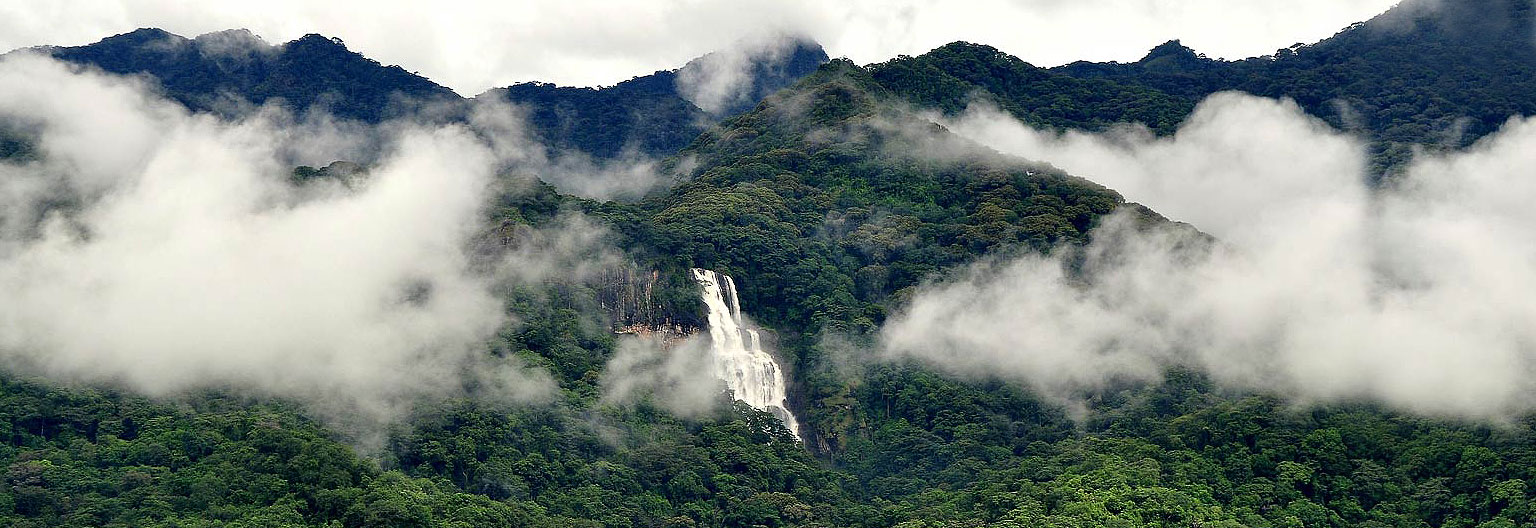
The best time to visit Udzungwa Mountains National Park is during the dry season from June to October, when climbing routes are reachable, temperatures are cooler (9-21 degrees), and fauna like rare simians and Avians is easier to spot near water sources. This period avoids muddy paths and aligns with Tanzanian peaks for clear views of the Sanje cascade and Mwanihana apex.
The wet/rainy season (March-May and November) brings lush greenery, blooming flora, migratory birds, and fewer crowds, but heavy rains (the highest in Tanzania) make trekking challenging.
For birders and nature enthusiasts, October offers butterflies and endemic types amid the miombo jungle. Plan for the south side climate of this country to enjoy this biodiversity hotspot fully.
Getting to Udzungwa NP in Tanzania, East Africa
Reaching Udzungwa NP on the south side of Tanzania is straightforward by road, air, or train. Drive 5-6 hours from Dar es Salam via the Morogoro main road and Mikumi along the A7 highway, or 1.5 hours from Mikumi town to the Mang’ula entrance (360 km total). Buses and taxis are available.
For air, charter flights from Dar es Salaam or Zanzibar land at Kilombero Airstrip (afternoon daily) or are scheduled to Mikumi Airstrip with road transfer.
Taking the train via TAZARA from Dar es Salam to Mang’ula Station (6-7 hours) offers scenic views but may be delayed. This land-reachable national park near Ruaha and Mikumi suits Tanzanian tour combinations, with poor internal roads requiring guided entry.
Serious Threats Facing Udzungwa NP
Some of the serious challenges facing Udzungwa NP include.
- Habitat loss from deforestation and disturbance from hunting.
- Wild Fauna and bushmeat trades.
- Chytrid fungus threatening amphibians.
- Unregulated bushmeat hunting affecting ecosystem richness.
- Afforestation risks impacting montane plain amphibians.
- High-intensity fires causing record jungle loss.
- Jungle degradation from illegal timber and pole cutting.
The Tanzanian government and other partner organizations are working tirelessly to curb all these challenges.
Ongoing Conservation Efforts in Udzungwa NP
Some of the ongoing preservation efforts in Udzungwa Park include.
- 20-year project to protect the landscape, led by conservationists.
- Environmental protection, wildlife conservation, research, and monitoring.
- Government investment in management: TZS 1.7 billion, 76% to UMNP for personnel and patrols.
- The Udzungwa Forest Project is involved in reforestation and community programs.
- Captive breeding and reintroduction program – for instance, the Kihansi spray toad.
- Partner education and involvement in the community (UFP, TFCG).
- Establishing reserves such as Magombera Nature Reserve for enhanced protection.
The Best Tanzania Tour Operators Offering Udzungwa Mountains National Park Packages
- Prime Safaris And Tours Ltd
- Tanzania Safaris And Tours
- Wild Gorilla Safaris
- Africa Safaris Tours
Safari Packing List for Tanzanian Safaris in Udzungwa NP
Some of the essential things to carry when going to Udzungwa NP include.
- Sturdy, comfortable waterproof shoes or hiking boots.
- Lightweight button-downs, tank tops, T-shirts, shorts (mid-thigh or longer), pants, sports socks, sports bras, nightwear, and swimwear.
- Sweater, puffer vest, rain jacket or gear for variable weather.
- Hat, sunscreen, insect repellent, refillable water bottle.
- Binoculars, a camera, and a bird identification book.
- Waterproof Daypack for hikes.
- Smart casual set for lodges if needed.
Other Tanzania National Parks to Traverse Alongside Udzungwa NP
Serengeti National Park
The Serengeti NP is world-famous for the Great Migration, endless plains, and high wildlife density, including lions, jumbos, and birds, which means that the Serengeti is ideal for classic Tanzanian game drives in a beautiful area.
Ruaha National Park
One of the African continent’s largest parks, Ruaha National Park has massive jumbo herds, big cats (lions, leopards, and cheetahs), rare African wild dogs, and river cruises in untamed wilderness.
OTHER GAME PARKS
- Mikumi National Park: Called “Little Serengeti,” it offers savanna game drives with lions, jumbos, and giraffes; fewer crowds; and proximity to Udzungwa for easy combination.
- Nyerere National Park (Selous Game Reserve): Vast UNESCO site for river cruises, boat excursions, and walking tours; excellent for jumbos, wild dogs, and untouched beauty.
- Ngorongoro Conservation Area: This is where you’ll find the Ngorongoro Crater, a huge green volcanic bowl that’s like a natural zoo. In one game drive you can see lions, rhinoceroses, elephants, hippos, and flamingos all crammed into that one magnificent crater.
- Tarangire National Park: Known for its vast elephant herds and those giant baobab trees that look like they came out of a storybook. It truly comes to life in the dry season. The animals gather near the river, and you can witness hundreds of jumbos at one time.
- Lake Manyara National Park: A small but gorgeous park with lions who actually climb trees, not something you see every day. Moreover, the lake itself is covered in flamingos and all kinds of birds. It’s a short, easy park, excellent for families.
- Gombe Stream & Mahale National Parks: These are the ones on Lake Tanganyika where you go to track chimpanzees in the wild. It’s a whole different safari, hiking through the jungle and viewing chimps up close as Jane Goodall did.
Udzungwa National Park Map
Udzungwa NP Commonly Asked Questions
- In Which Region Is Udzungwa National Park Found? | Where Is Udzungwa National Park Located?
Udzungwa NP is located in the south of Tanzania in Iringa Region, Kilolo District, and Morogoro Region, Kilombero District. The park is within easy reach of the very picturesque Kilombero Valley.
- How Much Does It Cost to Go to Udzungwa National Park?
Entry fees are $30 for non-resident adults and $10 for children (5-15); residents pay $15/$5. Add camping at $35.40/night and vehicle fees of $10-20. Total varies by activities.
- What Animals Are in The Udzungwa National Park?
Udzungwa Creatures include rare simians like the red Iringa colobus and Sanje mangabeys, jumbos, buffaloes, leopards, Abbott’s duiker, grey-faced sengi, Kihansi spray toad, and over 400 Avian types.
- What Is the Most Famous Park in Tanzania?
The Serengeti National Park is the most famous in Tanzania because of the Great Migration, the broad grasslands, and the abundant species such as lions and jumbos.
Udzungwa National Park is one such place offering activities like climbing and some of the best natural beauty. It is one of the must-see Tanzania safari destinations for visitors who are on a holiday in Tanzania and wish to witness some stunning landscapes and rare animals. Book your vacation immediately with us, your trusted African holiday advisers!

Over 300 excellent reviews on TripAdvisor
Over 50 excellent reviews on Safaribookings.
Over 50 excellent reviews on Safaribookings.
12+ years of experience.
Best price guarantee.

Robert
Speak to a specialist to plan your customized safari and experience safari tours like never before...
Get expert safari advice: Call or arrange a video appointment with our tour specialists.