 >
Mount Longonot National Park is one of the best Kenyan national parks worth seeing during Kenyan tours.
The Longonot NP is found in Kenya’s Great Rift Valley and it features the dormant extinct volcano Mt. Longonot that has an impressive mountain crater, steep ridges, and the crater forest often seen by travelers who explore the park during Kenyan holidays.
Nestled in the southeast of Lake Naivasha, this small national park in Kenya spans about 52 square kilometers that house diverse landscapes of the park that offer sheer adventure to travelers through expeditions like hiking and trekking to get a glimpse of the lakes, mounds, rift valley, and surrounding mountains in the park vicinity.
The park Longonot is easily accessible from Nairobi via a tarmac road and this makes it a perfect day trip destination worth exploring on your Kenyan safari.
Managed by Kenya Wildlife Services, the park attracts visitors seeking nature, wild fauna, birds, and challenging hikes to the crater rim.
Tours to Mt. Longonot National Park is an unforgettable experience in the midst of volcanic beauty and wildlife viewing.
Below is a detailed breakdown of what Longonot NP entails!
Ten Interesting Facts about Longonot National Park
- Longonot is named from the Maasai term “Oloonong’ot,” meaning “mountain of many spurs” or “steep ridges.
- Longonot Mountain is a dormant stratovolcano last erupted in the 1860s.
- It is one of the smallest national parks in Kenya, with an Area of only 52 sq km
- Established in 1984, protected by Kenya Wildlife Services
- The top rises 2,776 meters above sea level.
- Dense crater forest with geothermal steam vents on the crater floor
- From the crater rim, there are magnificent views of Lake Naivasha, the Great Rift Valley and nearby Hell’s Gate National Park.
- It is around 90 km from Nairobi city and takes 2-3 hours by vehicle.
- Volcanic eruptions millions of years ago generated several of the park’s V-shaped basins, spurs and steep slopes.
- No permanent residences within; you can camp in sites like Olongonot at the entrance to the park.
Longonot National Park Location and Size
Mount Longonot National Park is located in the middle of the Great Rift Valley in Kenya, southeast of Lake Naivasha, Nakuru County. The picturesque national park is conveniently located 90 km northwest of Nairobi, accessible via a smooth paved road. The park is small enough at 52 sq km, and revolves around the famed Longonot Mountain, a dormant extinct volcano with steep peaks and a large caldera.
Its location provides a spectacular view of the adjacent lakes, the rift valley, and attractions such as Hell’s Gate National Park. Perfect for day visits from Nairobi or Naivasha town, it is a must-see on any Kenya safari for pure adventure.
History of Longonot National Park
Mount Longonot is a stratovolcano in the Great Rift Valley with a history going back millions of years. The mountain was produced by volcanoes with huge eruptions 21,000 years ago, forming the vast caldera. Its latest eruption was in the 1860s and left geothermal steam vents and rich soils.
The name is from the Maasai word “Oloonong’ot,” meaning “many steep cliffs” and spurs.
It was gazetted as a national park in 1984 and is managed by KWS to conserve its unique geology, caldera jungle and wild animals. It is becoming a popular destination for climbing and environmental exploration on Kenya safaris.
Geography and Geology of Mount Longonot NP
Longonot NP’s remarkable geology includes a dormant stratovolcano that rises to 2,776 meters in the Great Rift Valley. Mount Longonot dominates the scenery with V-shaped valleys, many spurs, steep cliffs and a large caldera with a thick forest on the volcanic basin. Other geological features include parasitic cones, lava flows and fumarole gas from fissures on the rim of the crater.
The extinct volcano’s caldera is around 8×12 km and has panoramic views of Lake Naivasha and the surrounding highlands. Stony soils with little flora support the rocky terrain, which is ideal for climbing and trekking.
Weather and Climate of Longonot NP, Kenya
The Longonot NP has a hot, dry climate, which is similar to what other places in the Great Rift Valley actually experience, with average temperatures of about 20°C to 30°C. These seasons bring along clear blue skies and passable trails in the park, though early starts are strongly recommended due to the midday heat that might arise.
These temperatures affect the annual rainfall averages received in the park, which amount to about 450 to 700mm which bring along cooler mornings and evenings with relief from the heat, though the paths may be slippery.
With this climate, it is worth noting that the park is open year-round, which enables travelers visiting the park anytime to see all the diverse wild animals, birds and other attractions firsthand during a Kenyan safari experience.
Longonot National Park Management
Mount Longonot NP is managed and protected by the Kenya Wildlife Service (KWS), ensuring conservation of its unique volcanic features, fauna, and habitats. Rangers maintain trails, enforce rules, and guide visitors for safety during hikes and explorations.
Amazing Things to See in Mount Longonot National Park, Kenya
- Wild Animals
Tourists can see diverse fauna, including elands, giraffes, zebras, buffaloes, Grant’s gazelles, baboons, elusive leopards, bushbucks, and many other animals that roam the Longonot NP grasslands and caldera forest during safe hikes to and from the crater rim since there are no large predators in the park.
- Bird Species
Over 100 species of birds call Mount Longonot home, and these include raptors like the Verreaux’s Eagle and Lammergeier or bearded vultures, among other birds like the starlings, doves, swifts, woodpeckers, and sunbirds that are worth seeing when bird watching in this park, especially along the caldera rim and in the crater forest, adding vibrant life to your Kenyan safari.
- Unique Flora
The Longonot park has unique flora supported by the park’s volcanic soils, and these range from the dense forests inside the caldera to the acacia grasslands on the lower slopes, with popular vegetation types like the wildflowers, hardy shrubs, and other unique plants that have slowly adapted to the altitude and rugged terrain of this volcanic landscape.
- Longonot Mountain
The main attraction of the park is the famous Longonot Mountain, which is a dormant stratovolcano with steep cliffs and a permanent peak with a symmetrical cone and proof of historic eruptions along the inclines that create a rather incredible backdrop for photography and climbing excursions during Kenyan safaris.
- Mount Longonot Crater Rim
This volcanic rim rewards hikers with 360-degree vistas or views of the lush volcanic basin, Lake Naivasha, the vast Great Rift Valley, and fumarole gas vents from the caldera edges, which is a sheer adventure sighting because of the beautiful vistas.
- Stunning Landscapes
Tourists visiting Longonot Park can enjoy stunning views of numerous landforms, including those of Lake Naivasha, the expansive Great Rift Valley, nearby Hell’s Gate NP, distant mountains, and volcanic ridges and valleys, which is quite also a sheer adventure one should not miss out on during Kenyan tours.
Fun Things to Do in Longonot NP in Kenya’s Great Rift Valley
Some of the fun safari activities to engage in to see the different highlights of Longonot Park include.
- Wildlife Viewing
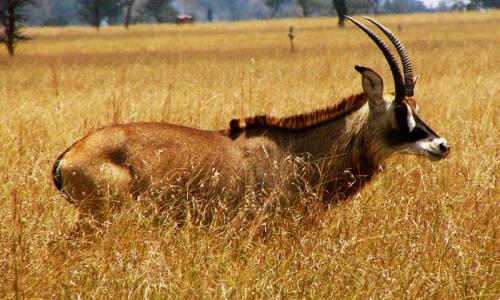
Travelers visiting Longonot Park can engage in plains game spotting to see fauna species like the antelopes, zebras, buffaloes, giraffes, and baboons, among many others, in their natural habitat when climbing to or from the caldera edge, something that adds excitement to their sheer adventures during a Kenyan wildlife safari in the park.
- Bird Watching
Keen birders visiting Longonot NP can join in birding observations to spot avians like sunbirds, raptors, eagles, barbets, and cranes, among other species found along the volcanic edges and trails during Kenyan birding safaris.
- Mountaineering
This is another of the fun things to do in Longonot Park for travelers who wish to challenge themselves with a mountaineering excursion on Longonot’s steep cliffs, which requires one to ascend to the peak for rewarding views that are often the highlights of most adventurous Kenyan safaris.
- Camping
Travelers who traverse Longonot Park can partake in the camping activity, which is done by pitching a tent at any public campsite in the park, like Olongonot near the park entrance or in special designated spots inside the caldera, with prior reservations required before one can enjoy the starry nights for sheer adventure.
- Mountain Biking
Mountain biking is another of the things to do in Longonot Park, which involves cycling along circuit roads in the park towards the lava flows and plains with incredible views of wild fauna and avians in spectacular volcanic terrains.
- Guided Walking and Hiking Safaris
This is another of the fun activities done in Longonot Park where travelers join guided hiking safaris to the volcanic edges or move around them while learning about the history, geology, and wild fauna, including the different avians, while trekking on the trails during Kenyan vacations.
Mount Longonot Volcano Safety Guidelines and Other Longonot NP Rules and Regulations
- Start hikes early (7-9 AM) to avoid heat (The trailhead for Mount Longonot is located right behind the information center)
- Carry at least 2 liters of water, snacks, a hat, sunscreen, and sturdy boots.
- Stick to marked trails; venturing into the volcanic basin requires ranger permission and a guide (unmarked and dangerous).
- No single-use plastics; respect wild fauna distance.
- No littering, fires outside campsites, or pets.
- Pay entrance fees via eCitizen; valid for 24 hours.
- Arrive early to avoid crowds.
The Best Accommodation Around Mount Longonot National Park
No lodges inside the Longonot National Park, but nearby accommodation options in Naivasha town or along the lake include:
- Lake Naivasha Sopa Resort (13km away)
- Lake Naivasha Country Club
- Enashipai Resort and Spa
- Kiboko Luxury Camp
- Sawela Lodges
- Muthu Lake Naivasha Country Club
- Camp Carnelley’s
- Olongonot Campsite (inside park entrance along the access road to the caldera)
- Special caldera campsites (advance booking required)
- Various hotels like Eseriani, Oltau Resort, and more in Naivasha.
It is worth noting that public campsites do not require prior booking.
Mount Longonot National Park Fees and Other Safari Prices
| Category | Citizens (KSH Adult/Child) | Residents (KSH Adult/Child) | Non-Residents (USD Adult/Child) |
| Entry Fees | 500 KSH | 300/215 | 30 |
Note: Entrance Fees are valid for 24 hours only and are subject to change (check KWS for the latest). Guided tours and vehicle charges are extra.
Best Time to Visit Mount Longonot National Park
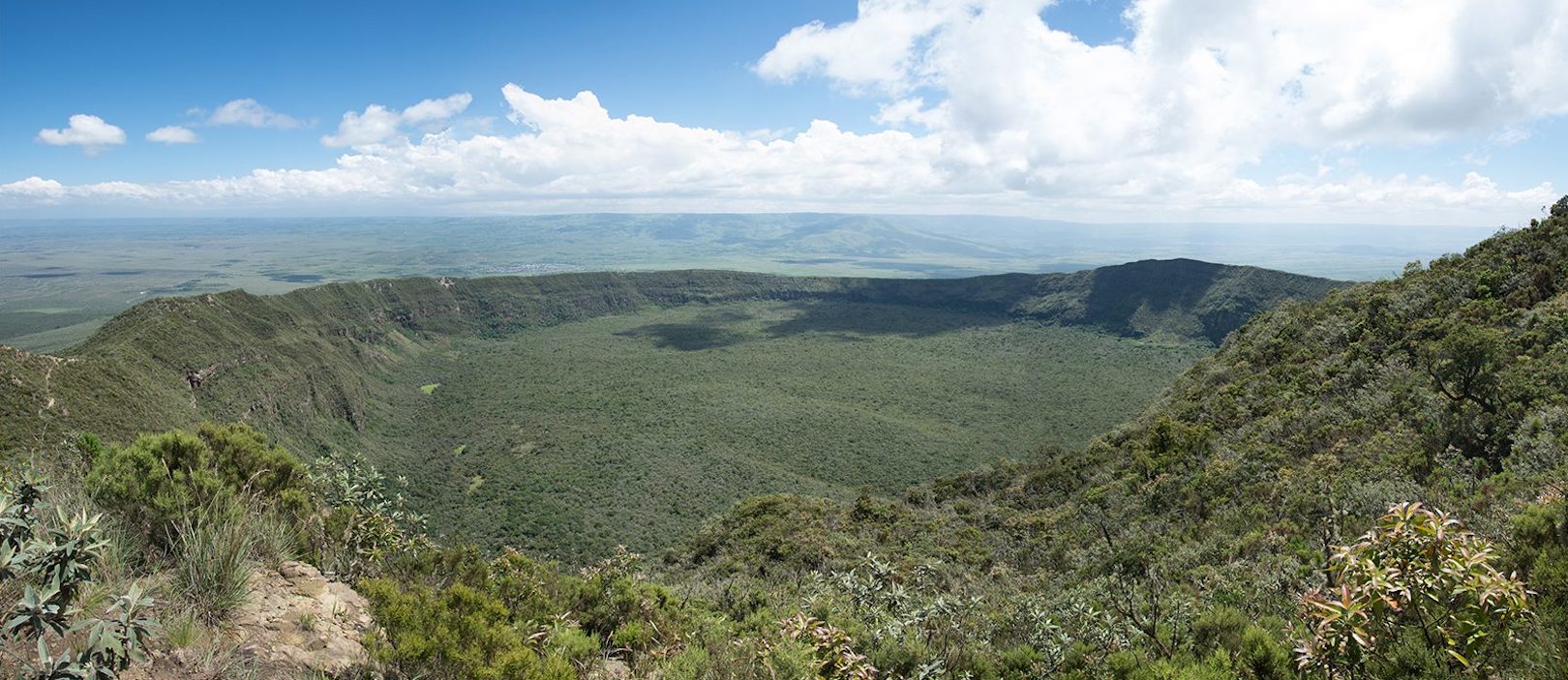
The park is available all year round, but is more popular during the dry season; therefore, the best time to visit Mount Longonot National Park is during the dry season from January to March and July to October, when paths are dry, views are clear, and trekking is comfortable.
Temperatures are 20-30°C, perfect for strolling along the volcanic edge and viewing animals or birds. Trails and roads still passable, lowering the risk of slips.
The wet season brings discounts and thinner crowds, but also slick trails that make the walk a challenge. Best time for safari in Kenya – for sheer adventure and the best circumstances for safari, plan for the dry months for panoramic views of the East African Rift and Lake Naivasha.
How to Get to Mount Longonot National Park?
Mount Longonot National Park is easily accessible from Nairobi, 90 km away, via the tarmac road on the Nairobi-Nakuru highway (2-3 hours’ drive).
By Air
Charter flights from Nairobi to nearby park airstrips, then road transfer.
By Road
Drive privately or take Public transportation options like matatus, which cost ~200-300 KSH from Nairobi to Naivasha, a nearby town, then a taxi/boda-boda from Naivasha (45 minutes) to the park entrance. Private taxis are recommended for efficient travel from Nairobi to Mt. Longonot. Perfect for day trips combined with Lake Naivasha or Hell’s NP.
Safari Packing List for Kenya Longonot NP Safaris
- Good hiking shoes with traction
- Sun protection – Headwear, sunscreen, sunglasses
- Snacks and water, minimum 2 litres
- Warm layers and light long-sleeved clothes
- Binoculars for animals/birds
- Camera, bug spray, tiny backpack
- Reusable water container (no disposable plastics)
- Rain jacket (wet season)
- First Aid Kit, flashlight
Threats Facing Longonot NP
- Spread of humans from nearby settlements
- Implications of potential geothermal development
- Climate change impacts on rainfall and vegetation
- Overuse of routes causing deterioration
- Introduced species in a fragile volcanic ecosystem
Conservation Initiatives in National Park Mount Longonot
- Managed and protected by KWS
- Ranger patrols and trail maintenance
- Access restricted to vulnerable areas like the volcanic basin
- Community education and promotion of sustainable tourism
- Monitoring of habitats of animals and plants
Reputable Kenya Safari Operators Offer Mt. Longonot Park Tours
Other Kenya Safari Parks to Combine with Visits to National Park Mount Longonot
- Hell’s NP: Close to Longonot Park offering cycling, rock climbing and gorges
- Lake Nakuru National Park: Known for flamingos, rhinos and large wildlife.
- Lake Naivasha: Boat safaris, hippos & birdlife
- Aberdare National Park: Waterfalls, elephants and forest walks.
- Nairobi National Park: An urban wildlife encounter with views of the city skyline.
Longonot NP Frequently Asked Questions
How Long Does It Take to Climb Mount Longonot?
Climbing to the volcanic edge of Longonot Mountain via a 3.1-kilometer trail and back takes 3-4 hours; a full edge circuit adds 2-3 hours, totaling 4-6 hours (about 6 km round-trip) depending on fitness. Start early for the best experience and sheer adventure.
Do You Need a Guide for Mount Longonot?
The trails are designated, and a guide is not necessary but suggested for information on geology, fauna and safety, especially for the descent into the caldera (a permit is required). There are local rangers on duty at the gate.
What Are Some Interesting Facts about Mount Longonot?
- Derived from the Maasai word “Oloonong’ot” for “steep cliffs.”
- Dormant volcano, last erupted in the 1860s.
- Thick caldera jungle and fumarole gas.
- Offers views of the East African Rift and L. Naivasha.
- Small park with diverse fauna and birds.
How Far Is It Around Mount Longonot Crater?
The loop around the volcanic edge is approximately 13.5 km (including ascent/descent from the gate), with the edge circuit itself about 7.2 km.
How Long Does It Take to Hike Mount Longonot?
The Edge hike round-trip is about 3-4 hours; the full circuit is 4-6 hours. The duration of the hike varies depending on the pace and the number of stops made for views or fauna.
When Was the Last Time Mount Longonot Erupted?
Mountain Longonot last busted in the 1860s and is now considered dormant or extinct, offering sheer adventure.
What Is Found in Mt. Longonot?
Longonot Mountain is covered with extensive caldera jungles, fumarole gas vents, little streams, varied Avians, and fauna of buffaloes and baboons on the floor.
Sheer adventure abounds in Longonot National Park with its beautiful volcanic scenery, exhilarating walks, and jungle immersion. The East African Rift is full of wonderful memories and is ideal for safaris in Kenya. Book your tour with us today and create some unforgettable experiences while in this park of pure adventure!

Over 300 excellent reviews on TripAdvisor
Over 50 excellent reviews on Safaribookings.
Over 50 excellent reviews on Safaribookings.
12+ years of experience.
Best price guarantee.

Robert
Speak to a specialist to plan your customized safari and experience safari tours like never before...
Get expert safari advice: Call or arrange a video appointment with our tour specialists.