Ever had your breath taken away by something you saw? If not, you need to book a tree-climbing lion safari in Uganda right now for some of the most incredible views of these rare animals.
Picture yourself in the middle of Uganda’s wild savannah. The air buzzes with insects and the distant sounds of wildlife.
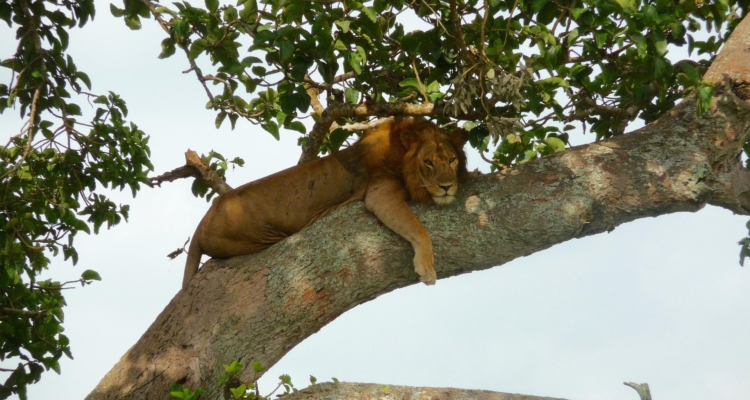
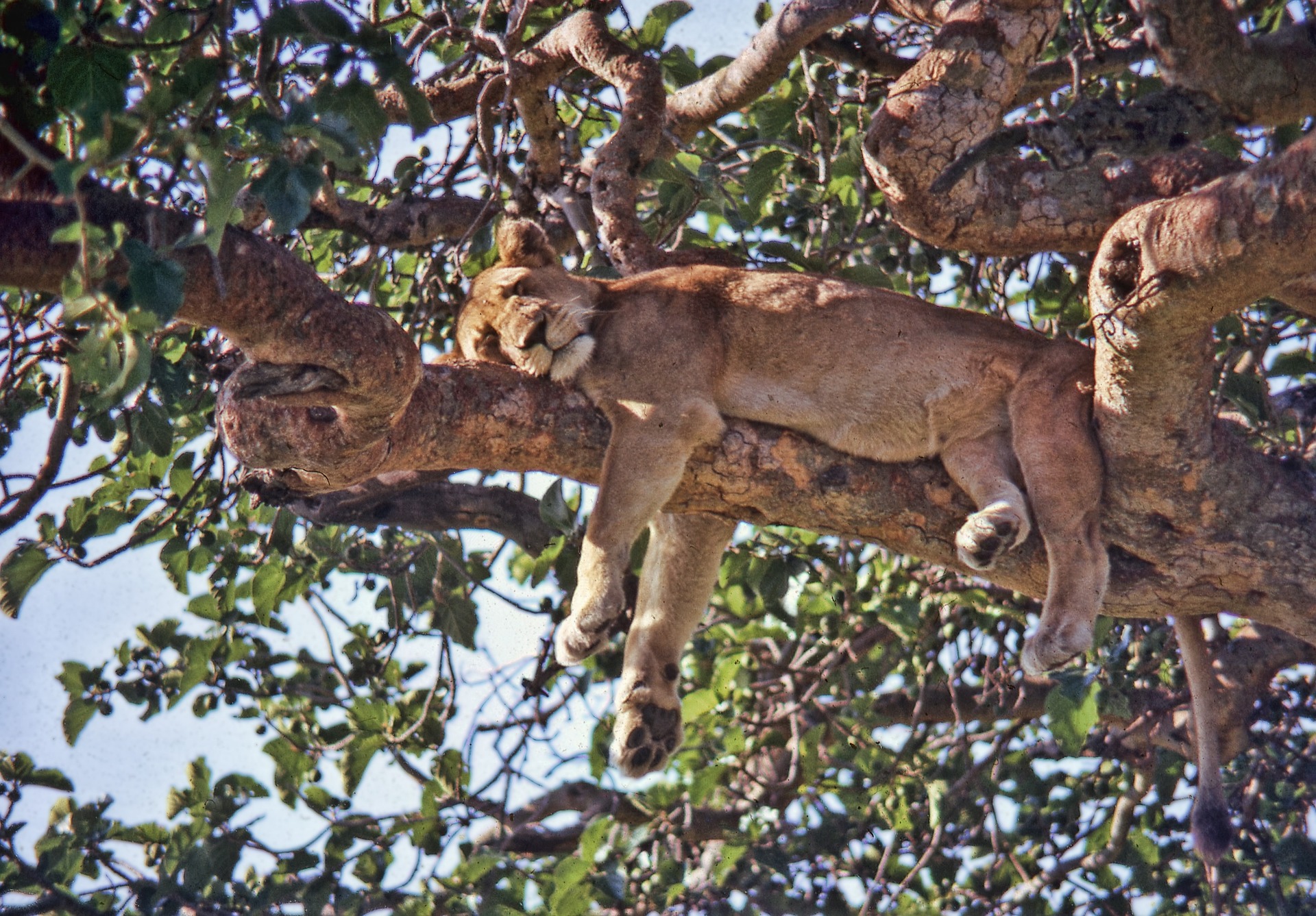
You scan the horizon, then look up — and there they are. Majestic lions sprawled across the thick branches of a fig tree.
These are Uganda’s tree-climbing lions, a rare sight that pulls wildlife lovers from all over the world.
You’ll find them mostly in the Ishasha sector of Queen Elizabeth National Park. They don’t act like typical lions, and watching them gives you a glimpse into the African wilderness you won’t forget.
This Uganda safari isn’t just thrilling wildlife encounters. It’s your chance to see one of nature’s quirkiest behaviors up close.
In this guide, we’ll dive into what makes the Ishasha tree-climbing lions so special, where to find them, why they climb, how to plan your visit, and what else Queen Elizabeth National Park has to offer.
From game drives to meeting local communities, you’ll learn how to get the most out of your safari while helping protect these unique animals.
Let’s get into what a tree-climbing lion adventure safari in Uganda is really about.
About Queen Elizabeth National Park

Queen Elizabeth National Park sits in southwestern Uganda, right near the border with the Democratic Republic of Congo.
It’s the country’s most visited park, famous for its wildlife — especially those tree-climbing lions — and its gorgeous scenery.
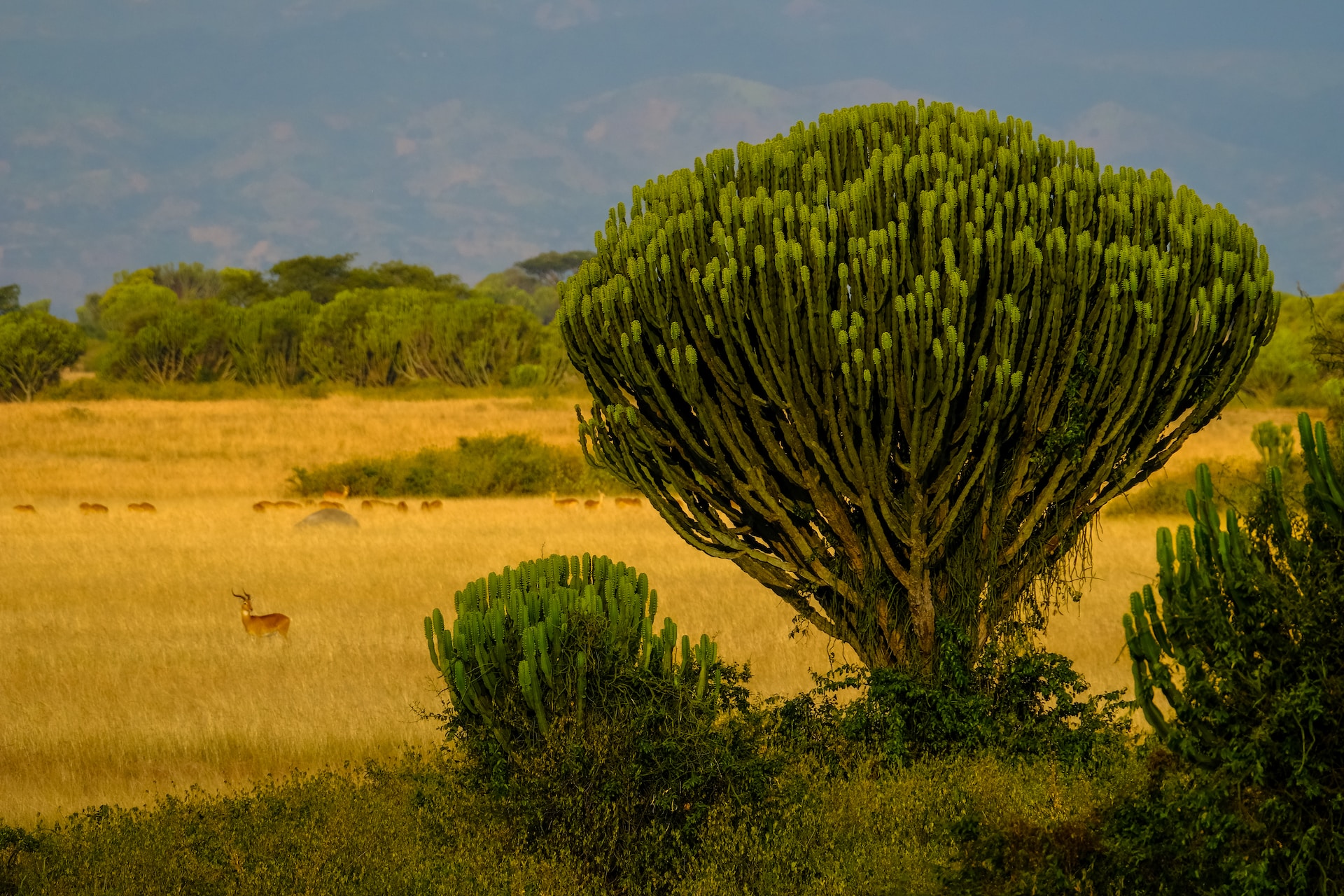
The park covers 1,978 km². You’ll see wide savannahs, thick riverine forests, wetlands, the Ishasha sector, and the well-known Kazinga Channel that links Lakes Edward and George.
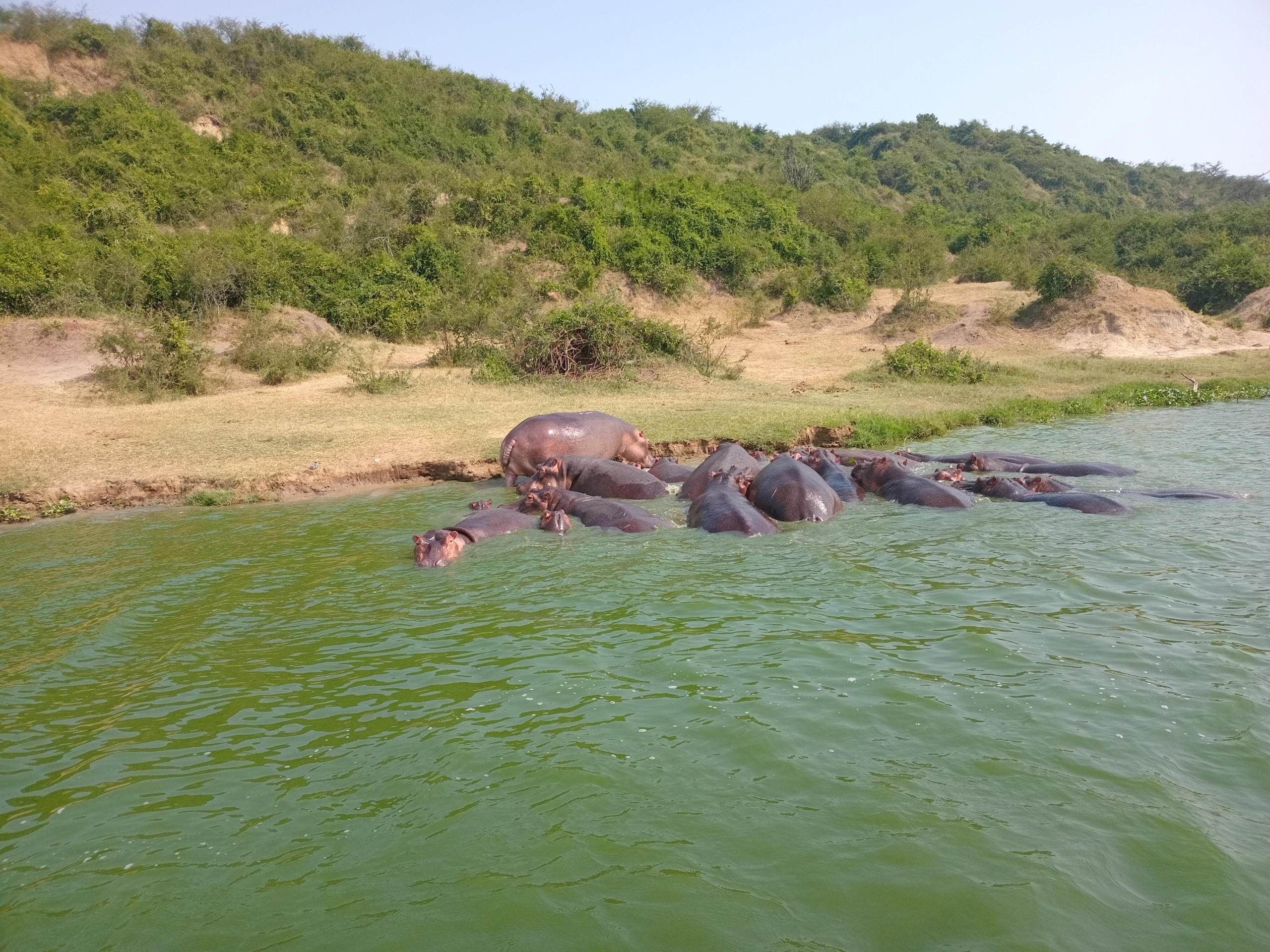
It’s home to over 95 mammal species, including elephants, African buffaloes, hippos, and leopards. Add more than 600 bird species, and you’ve got a birdwatcher’s dream in Uganda.
The Ishasha Sector | Where to Find Tree Climbing Lions in Queen Elizabeth Park, Uganda?
The Ishasha sector is in the southern part of the park, and it’s the epicenter for tree-climbing lions.
This area has open plains dotted with fig and acacia trees — perfect for lions that like to climb.
That makes it a must-stop on any tree-climbing lion safari in Uganda. The plains here are wide open, so you can actually spot lions up in the branches, keeping watch for prey like Ugandan Kob or smaller antelope.
Plus, Ishasha is close to Bwindi Impenetrable Forest and other attractions, so it fits easily into a broader Uganda wildlife tour.
Why Do Lions Climb Trees?
The tree-climbing lions of Ishasha don’t behave like most lions. Lions usually stay on the ground, but these ones have figured out how to climb. Here’s why they do it:
Escape the Heat: The savannah gets blazing hot, especially in the dry seasons — December to February and June to September. Acacia and fig trees give them cool, breezy shade off the hot ground.
Avoid Pests: Tsetse flies and mosquitoes are everywhere in Ishasha. Up in the sturdy branches, lions get away from the biting and the risk of disease.
Spotting Prey: From a branch, lions can see antelopes or buffalo from far off. It’s a great vantage point to watch their territory and keep an eye out for herds or rivals like hyenas or shy leopards.
Learned Behavior: This isn’t pure instinct. It’s something passed down in prides here. Cubs watch adults and learn to climb over time.
Their ability to adapt like this shows how smart and resilient these big cats are. It’s what makes the climbing lions of Ishasha a must-see on any Uganda wildlife safari.
How Best To See The Tree-Climbing Lions?
To actually spot tree-climbing lions, you need a good game drive in the Ishasha sector. Here’s how to make it count:
Book with Expert Guides: Local guides from the Uganda Wildlife Authority or trusted tour operators like Wild Gorilla Safaris, Prime Safaris and Tours Ltd, Safari Uganda Safaris, A Uganda Safari, Africa Safaris Tours know the lions’ habits. They know which fig trees the lions like to rest in.
Choose the Right Time: Lions climb most often in early morning or late afternoon when they want shade. Late afternoon drives between 10 a.m. and 3 p.m. tend to be best.
Use the Right Gear: Bring binoculars and a camera with a good zoom to catch lions high in the trees. 4×4 safari vehicles with pop-up roofs give you clear views for photos.
Be Patient: Lion sightings take time. Stay quiet and let your guide help you scan the vegetation. A drive through the Ishasha plains isn’t just about climbing lions.
You’ll also see elephants, buffalo, and birds like the black coucal or compact weaver.
What To Expect When You Head Out To See The Tree-Climbing Lions?
Heading out to see tree-climbing lions is genuinely exciting. Here’s what the experience feels like:
Unforgettable Sightings: Watching a pride of lions draped across the branches of fig or acacia trees feels almost unreal. Their quiet strength up there is one of those moments that makes a Uganda safari special.
Stunning Scenery: Ishasha is beautiful — wide-open plains, the Rwenzori Mountains off in the distance, and thick, green vegetation along the Ishasha River.
Plenty of Other Wildlife: It’s not just about the climbing lions. You’ll also come across African buffaloes, elephants, hippos, warthogs, baboons, and small antelope. Bird lovers will have a field day too, with herons, storks, and many others.
Knowledgeable Guides: Your guides bring the whole place to life. They’ll tell you about how the lions behave, how the park’s ecosystem works, and share stories about the African wilderness that make the trip richer.
Pure Adventure: Doesn’t matter if it’s your first safari or your tenth — seeing these rare lions in the wild sticks with you.
When’s the Best Time to See Tree-Climbing Lions in Queen Elizabeth National Park?
If you want the best odds of spotting tree-climbing lions, plan your trip for the dry season — that’s December to February, or June to September.
Here’s why it makes a difference: The bush thins out, so you can actually see lions up in the trees instead of them vanishing into thick foliage.
Wildlife like Ugandan Kob and buffaloes stick close to water sources, and the lions follow.
Plus, the roads aren’t a muddy mess, so game drives are easier and more enjoyable. Come during the rains — March to May or October to November — and everything’s lush and green, which is beautiful, but the tall grass makes lions harder to find.
And getting around the park gets tricky when the tracks are wet.
Bottom line: for clear sightings and smooth drives, the dry season is your best bet.
Tips for Spotting Tree-Climbing Lions in Queen Elizabeth NP
Want the best shot at seeing tree-climbing lions while staying safe? Keep these in mind:
Safety first: Don’t get out of the vehicle during game drives. These are wild lions, so staying inside is non-negotiable.
Trust your guide: They know the park and the lions’ habits better than anyone. If you want to actually find the climbing lions, let them take the lead.
Pack smart: Bring binoculars and a camera to catch them up in the trees. Sunscreen, a hat, and mosquito repellent or nets will save you from the sun and tsetse flies.
Give wildlife space: Keep your distance and keep the noise down. You don’t want to stress the lions or any other animals.
Dress for the bush: Go with light, neutral-colored clothes and comfy shoes. And bring water — you’ll need it on those long drives.
Stick to these tips and you’ll boost your chances of seeing tree-climbing lions, without taking any risks.
Costs To Incur When Going For A Tree-Climbing Lion Adventure
Costs depend on your package, how long you go, and where you stay. Here’s a basic breakdown:
Park Entry Fees: About USD$40 for foreign non-residents, USD$30 for foreign residents, and UGX20,000 for East Africans.
Game Drives: Usually included in tour packages. If separate, expect $100–$300 per person for a guided drive.
Accommodation: Budget camps run $50–$100 per night. Mid-range to luxury lodges like Ishasha Jungle Lodge are $200–$500 per night.
Transport: You’ll need a 4WD vehicle. Often included in tours, but hiring one independently can be $100–$200 per day.
Additional Activities: Boat cruises on the Kazinga Channel are $30–$50. Chimpanzee trekking in Kyambura Gorge is $50–$100.
Personal Expenses: Set aside $50–$200 for souvenirs, crafts, tips, and drinks.
A typical 2–3 day safari package is $500–$1,500 per person, depending on what’s included and your lodge choice. Reach out to tour operators for a custom quote.
Threats And Challenges Facing The Survival Of Tree-Climbing Lions
Tree-climbing lions are up against some real challenges:
Habitat Loss: As more people move in and farming expands, the lions lose ground. Their territory is getting smaller year by year.
Human-Wildlife Conflict: If lions take livestock, local communities sometimes strike back to protect their animals and livelihoods.
Poaching: It doesn’t happen as often, but lions can still get trapped in snares set for other wildlife.
Climate Change: Changes in weather patterns affect where prey animals go and how much water is available, which makes survival tougher for the lions.
These problems are exactly why serious conservation work can’t be ignored.
Conservation Efforts for Tree-Climbing Lions
Protecting tree-climbing lions takes real effort. Here’s what’s happening on the ground:
Community Engagement: Programs work with local communities, including those around Ishasha, to show how lions bring in tourism that benefits everyone. They also help build predator-proof pens for livestock to cut down on conflict.
Eco-Tourism: Fees from park entry and Uganda safari trips go straight into anti-poaching patrols and restoring habitats.
Research: Scientists fit lion prides with tracking collars. The data they collect helps shape better conservation strategies.
Collaboration: The Uganda Wildlife Authority teams up with NGOs and local groups to safeguard Ishasha and the wildlife there.
You can be part of this too — choose responsible tour operators, stay at eco-friendly lodges, and support conservation groups with donations.
Other Things to See in Queen Elizabeth National Park
There’s a lot more than tree-climbing lions here:
Mammals: Look for elephants, African buffaloes, hippos, leopards, spotted hyenas, side-striped jackals, warthogs, baboons, vervet monkeys, black-and-white colobus monkeys, and antelope like Ugandan Kob, Topi, waterbucks, and bushbucks. You’ll see them across the Kasenyi Plains and Ishasha Plains.
Bird Species: With over 600 species, it’s a birder’s paradise. Watch for African fish eagles, shoebill storks, flamingos, papyrus gonolek, giant kingfishers, grey-headed kingfishers, long-tailed nightjars, white-headed barbets, African green pigeons, pink-backed pelicans, saddle-billed storks, black coucals, compact weavers, and plenty of herons and storks around the Kazinga Channel and wetlands.
Kazinga Channel:
A boat cruise shows you hippos, Nile crocodiles, elephants, and birds like the African fish eagle and shoebill stork.
Kasenyi Plains: Great for game drives to see lions, leopards, Ugandan Kob, and buffalo.
Maramagambo Forest: Take nature walks to see primates like baboons and lots of birds.
Kyambura Gorge: Go chimpanzee trekking in this lush forest.
Crater Lakes: Visit the Katwe Explosion Craters for views and a look at traditional salt mining. The park really is a full wildlife destination.
Other Things to Do in Queen Elizabeth National Park
There’s more to Queen Elizabeth National Park than just wildlife viewing. Here’s what else you can get into:
Bird Watching: With over 600 bird species — think flamingos and the papyrus gonolek — this place is a dream if you love birds.
Cultural Visits: Spend time with the local Bakiga community. You can learn about their traditions, help cook millet porridge, and visit their homesteads for a real look at daily life.
Hiking and Nature Walks: Head out on trails in Maramagambo Forest or around the crater lakes. It’s a great way to experience the park’s ecosystem up close.
Lion and Mongoose Tracking: Tag along with research teams to track lions or banded mongooses. You’ll get a behind-the-scenes look and actually help with conservation work.
Cultural Performances: Check out traditional music and dance at lodges or local community centers.
These activities round out your tree-climbing lion adventure nicely.
Booking and Planning Your Tree Climbing Lion Safari
Ready to plan your tree-climbing lion trip? Here’s how to go about it:
Choose a Tour Operator: Stick with well-known operators who work with the Uganda Wildlife Authority. Many offer 2- to 7-day safaris, and you can often add on things like Bwindi gorilla trekking or a Kazinga Channel boat cruise.
Select a Package: If you’re just focusing on Ishasha, a 2–3 day tour usually costs $500–$1,500. Want to combine multiple parks? Expect to spend $2,000–$5,000.
Book in Advance: Lock in your dates 3–6 months early, especially if you’re traveling in the busy dry seasons — June to September or December to February.
Customize Your Itinerary: Talk to your operator about what you’d like to include. They can add game drives, boat cruises, or cultural visits so the trip fits you.
Top-Rated Accommodation in Queen Elizabeth National Park to Stay at When on Tree-Climbing Lion Adventures
Options in the Ishasha sector fit different budgets:
- Budget: Ishasha Community Campsite at $30–$50 per night. Basic tents with shared facilities.
- Mid-Range: Enjojo Lodge at $100–$200 per night. Comfortable huts with nice views.
- Upmarket: Ishasha Jungle Lodge at $200–$500 per night. Luxury rooms, modern amenities, and close to game drive routes.
Most lodges offer full board, so you’re comfortable throughout your safari.
How to Get to Queen Elizabeth National Park to See Tree-Climbing Lions?
The park is about 410 km from Kampala — a 7–8 hour drive. You have options:
By Road: A 4WD is best. You can stop at the Uganda Equator for photos and souvenirs. Common routes go via Mbarara (5–6 hours), Fort Portal (6–7 hours), Bwindi (7–8 hours), or Kigali (6–8 hours). Tour operators usually arrange transfers from Entebbe International Airport.
By Air: Fly to Kihihi Airstrip near Ishasha with Aerolink from Entebbe — about 1 hour, $200–$400 per person. Then a short transfer to the park headquarters.
Your tour operator will typically handle the logistics so the trip is smooth.
Uganda Safari Packing List for Tree-Climbing Lion Adventures
Here’s a quick rundown to keep you comfortable and ready out there:
Clothes: Go for light, neutral colors. Pack long-sleeved shirts, long trousers, a wide-brim hat, and shoes that can handle rough terrain.
Must-Have Gear: Don’t forget binoculars and your camera for the lions. Sunscreen and insect repellent are key too — tsetse flies, and mosquitoes are no joke.
Extras: Bring a refillable water bottle, some snacks, and a small daypack for game drives.
Health Stuff: Pack a mosquito net, anti-malaria medication, and a basic first-aid kit just in case.
With these essentials sorted, you’ll be set for the adventure and comfortable while you’re out in the wild.
A tree-climbing lion safari in Queen Elizabeth National Park is the kind of trip you’ll talk about for years. There’s nothing quite like spotting Ishasha’s lions stretched out on the limbs of fig and acacia trees.
It’s rare, it’s wild, and it blends adventure with raw nature in a way that sticks with you. And it’s not just the lions.
The park is packed with wildlife, sweeping landscapes, and a chance to connect with Bakiga culture — whether you’re on a boat cruise or visiting a local community.
By traveling responsibly and backing conservation, you’re helping keep these lions safe from threats like poaching and shrinking habitat.
Whether you’re behind a camera, doing research, or just chasing a real African adventure, this safari delivers. Ready to go? Reach out, and we’ll help you plan it.
 >
>