 >
> Nestled in southeastern Kenya, Tsavo East National Park captivates visitors with its raw, untamed wilderness and iconic, red-dusted elephants bathing in the Galana River’s palm-fringed waters during Kenya safaris.
Covering a massive 13,747 square kilometers, this is Kenya’s biggest single protected area, established in 1948 in what was once the arid Taru Desert. It is located in southeastern Kenya, and a little northwest of West Tsavo National Park.
As part of the greater Tsavo ecosystem spanning 22,000 square kilometers alongside Tsavo West, it offers an authentic safari escape from crowded spots.
The park’s landscape includes semi-arid grasslands, savanna, and red soil that lends jumbos their distinctive color.
Here, maneless lions stalk the savannas, vast herds of elephants turn crimson from iron-rich soil, and over 500 bird species flutter amid acacia-dotted plains.
Home to the Big Five—lions, leopards, elephants, buffaloes, and rhinos—this biodiversity haven includes rare sights like gerenuks and Somali ostriches worth seeing during Kenyan wildlife tours.
Managed by the KWS, Tsavo East National Park blends semi-desert grasslands, riverine forests, and geological wonders such as the Yatta Plateau, the world’s longest magma flow.
Easily reached from Nairobi or Mombasa, Tsavo East National Park is perfect for combining with beach getaways or parks like Amboseli, promising thrilling game drives, serene birding, and a profound connection to Africa’s wild heart.
Whether spotting cheetahs on open plains or hiking volcanic ridges, this park delivers adventure in a landscape where wildlife roams freely under endless skies.
Recent conservation boosts, like elephant relocations and anti-poaching wins, ensure its legacy endures amid evolving challenges.
Tsavo East National Park Location and Size
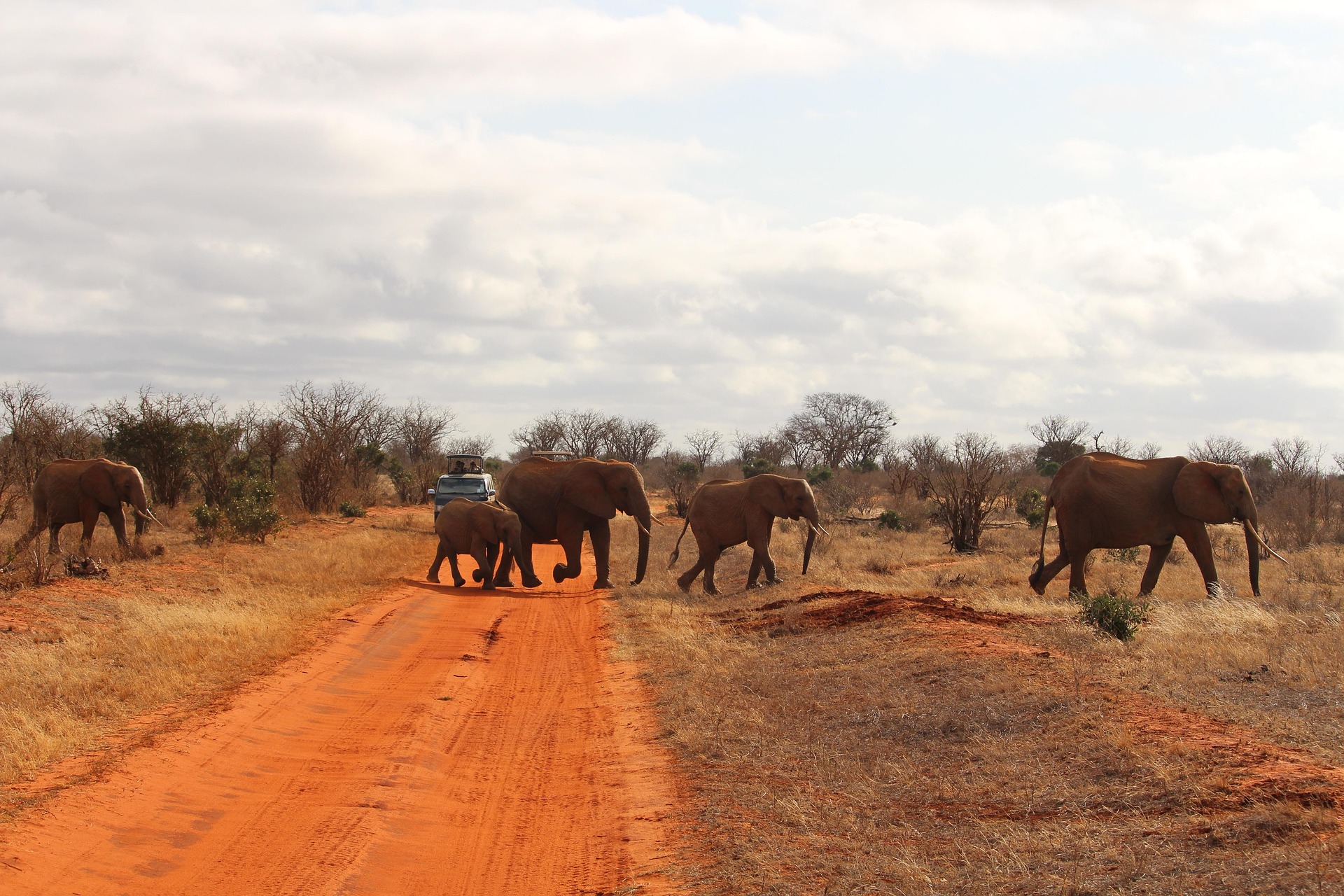
Situated in Taita-Taveta County (the former Coast province, which was also called the Taru desert) in southeastern Kenya, Tsavo East National Park lies about 250 kilometers southeast of Nairobi and 173 kilometers northwest of Mombasa, near Voi town.
It sits northwest of Tsavo West NP, bordering Chyulu Hills National Park to the west and Tanzania’s Mkomazi Game Reserve to the south, in the former Coast Province’s semi-arid region.
The A109 highway and railway line split the Tsavo National Parks, providing convenient access points.
Spanning 13,747 square kilometers—Kenya’s largest national park and nine times the size of Maasai Mara—this vast reserve (Tsavo East National Park) offers dry, endless plains where wild beasts roam.
Entry gates like Mtito Andei (233 kilometers from Nairobi), Voi, Buchuma, and Sala support self-drive safaris or guided tours.
Its coastal proximity makes it ideal for combining with beach holidays, while airstrips such as Voi, Sala, and Satao allow swift domestic flights.
This location in a wildlife corridor fosters large herds and diverse ecosystems, from partially arid grasslands to riverbeds.
History of East Tsavo National Park
Tsavo East’s story weaves through ancient human footprints and colonial drama. Archaeological evidence reveals Late Stone Age settlements along the Galana River dating back 6,000 to 1,300 years, where early inhabitants hunted, fished, and herded in riparian shelters.
By 700 CE, Swahili traders exchanged goods like beads and cowry shells with locals for ivory and skins, establishing trade networks without direct colonization.
European exploration intensified in the 19th century, with British and German adventurers noting Orma pastoralists and Watha hunter-gatherers.
The park’s infamous chapter unfolded in 1898 during the Kenya-Uganda Railway construction, when two man-eating lions terrorized workers, killing over 135 before being shot by Lieutenant-Colonel John Henry Patterson. This tale inspired books and films like “The Ghost and the Darkness.”
Gazetted as a national park in April 1948, Tsavo East National Park displaced the Orma and Watha communities, relocating them to nearby hills.
Post-independence in 1963, Kenya banned hunting, transferring management to what became the KWS.
Poaching spikes in the 1970s-1990s decimated elephants and rhinos, but anti-poaching efforts have rebounded populations.
Today, Tsavo East National Park symbolizes conservation triumph, protecting a wilderness named after the Tsavo River that merges with the Athi to form the Galana.
Geography and Geology of Tsavo East National Park
Generally flat and arid, Tsavo East National Park features semi-desert grasslands, savannas, and dry shrub/plains dotted with acacias and baobabs. The Galana River, from the Tsavo and Athi confluence, provides lifelines with palm-fringed banks amid scrublands.
Geologically, the Yatta Plateau forms a western ridge with shallow valleys and is the world’s longest lava flow at 290 kilometers from Ol Donyo Sabuk eruptions.
Mudanda Rock, a 1.6-kilometer stratified rock inselberg, catches water for dams, attracting animals to drink.
Volcanic echoes appear in Lugard Falls’ gorges and outcrops. Red soil colors elephants, and the Voi River feeds the dam of Aruba.
Kanderi Swamp adds wetlands. Elevations of 171-845 meters blend barren areas with oases, creating unique habitats in this coastal hinterland.
Weather and Climate in Kenya’s Tsavo East National Park
Tsavo East National Park has a hot, dry, semi-arid climate, with daytime averages of 31°C dropping to 20°C at night, peaking at 33°C in March. River areas are humid, but dust dominates.
Short rains (November-December, 136-154 mm) and long rains (March-May, 141 mm peak in April) fall as showers, greening landscapes for bird breeding but muddying paths. They are best for scenery tours.
During the dry seasons (June-October and January-February, with rainfall of 17-59 mm), foliage thins, causing wildlife to cluster around water sources in the 32°C heat and haze, making them the best times for animal viewing.
It is important to note that the wet months raise malaria risk, so use repellent and layers. Climate change brings erratic droughts, so pack water and sunscreen.
Tsavo East National Park Management
Run by the Kenya Wildlife Service (KWS), Tsavo East focuses on conservation, tourism, and community ties. KWS patrols against poaching with collars, maintains roads and airstrips, and enforces rules.
Partners like Tsavo Trust monitor rhinos; beehives curb elephant conflicts. Revenue from entrance fees aids education and balances ecology and livelihoods.
Outstanding Tourist Attractions in Tsavo East National Park Seen During Kenya Safaris
Tsavo East dazzles with attractions from teeming rivers to striking rocks, perfect for Kenya safaris spotting red elephant species and other animals.
Wildlife in Tsavo East Park
A biodiversity stronghold, Tsavo East hosts the Big Five and a diverse ecosystem of grasslands, savanna, and riverbeds. Large mammals and wild fauna like crocodiles, hippos, and giraffes thrive; there are 675 lions in the surrounding ecosystem, and unique maneless ones are observable.
Mammals
The Tsavo East NP region is renowned for its vast herds of dust-red elephant species, which inhabit the red soil and number in the thousands. The Lion, leopard, buffalo, and black rhino are in these sanctuaries. Other wildlife species: giraffes, zebras, cheetahs, kudu, gerenuk, wild dogs, hyenas, warthogs, and baboons. Predators are active at dawn/dusk; grazers are abundant in semi-desert grasslands.
Birds
Over 500 species, great for birdwatchers, are present in Tsavo East Park. Notable species include ostriches (Somali), buzzards, kingfishers, sacred ibises, vulturine guineafowl, and golden-breasted starlings. Migrants come around from all over the world in November-April, breeding in the rainy season. Rivers and swamps host herons and hornbills.
Landscapes in Tsavo East Park
Blend arid plains with watery features for stunning views. Some of the popular landforms include.
Mudanda Rock: A 1.6-km layered rock inselberg, water catchment overlooking a dam. During the dry season, beasts come to drink water, providing excellent opportunities for viewing elephant and buffalo species bathing.
Yatta Plateau: The World’s longest lava flow (290 km), this flat basalt ridge offers hiking amid shallow valleys, baobabs, and migratory bird hotspots.
Lugard Falls: On the Galana River, this series of rapids cascades through eroded gorges into croc pools; named after explorer Frederick Lugard, they are ideal for photography and a popular sightseeing spot in the park but avoid floods.
Aruba Dam: Built in 1952 on the Voi River, this reservoir lures thousands of animals and waterbirds; plains nearby host cheetahs.
Kanderi Swamp: Located near Voi Gate, this wetland attracts lesser kudus, hartebeests, buffalo, and elephant species—and it is prime for birding.
Tsavo and Galana Rivers: The Tsavo River flows west-east, merging into the Galana River (Kenya’s second-longest), fringed by palms; hippos, crocs, and fish eagles thrive here.
Galana Conservancy
Adjacent to the northeast, this 240-km² unfenced corridor, managed by the Sheldrick Wildlife Trust since 2021, boosts wildlife movement. Similar red-soil acacias to Tsavo East, but quieter; anti-poaching teams have increased elephant numbers. Spot lion and giraffe species amid Lali Hills—perfect for exclusive walks.
Fun Safari Activities Done at Tsavo East National Park During Kenya Tours
Immerse yourself in thrilling pursuits amid Tsavo’s wild plains.
Game Viewing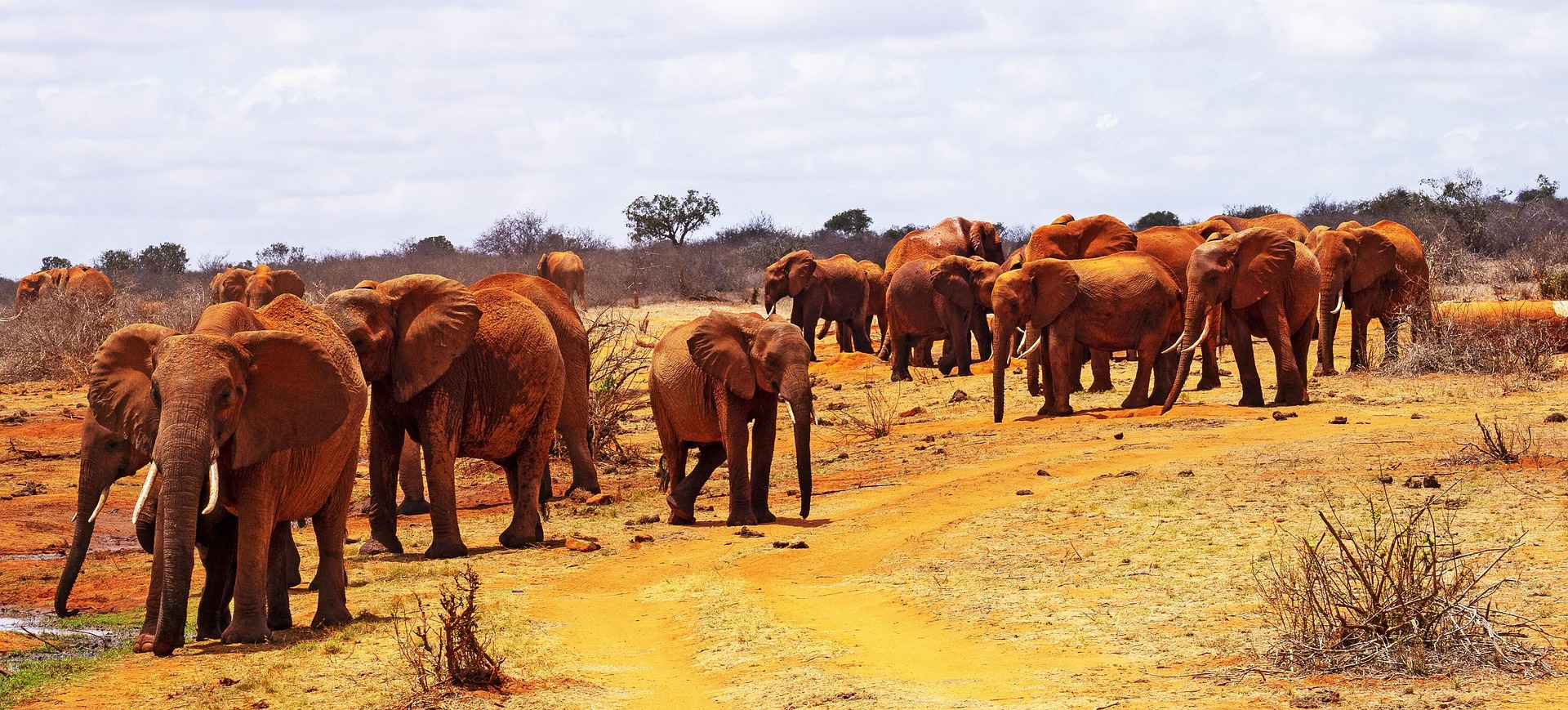
Observe diverse wildlife species easily in open semi-desert grasslands; the dry season is best, as animals gather at the dam at Aruba and Mudanda Rock to drink water, making it easy to spot large herds.
Safari Drives (Morning, Afternoon, and Night Drives)
Explore via pop-roof vehicles; mornings catch lion species hunting, afternoons large mammals resting, and nights reveal leopards and hyenas. Full-day ventures to remote areas for cheetahs and gerenuks; guided for info on the Tsavo park ecosystem.
NB: Self-guided safari drives are theoretically possible in Tsavo East, but they are not very common.
Birdwatching
Spot over 500 species like the Somali ostrich and buzzards, with rivers and Kanderi Swamp being ideal birding hotspots. Migratory birds are present from November to April, breeding during the long rains; visitors should bring binoculars to spot secretary birds and kingfishers, as guided tours enhance the experience of observing dry-country species.
Walking Safaris
Guided foot treks with armed rangers explore Yatta Plateau, riverbeds, and close views of tracks among other features, flora, and lesser kudu. Safer than self-initiated wildlife encounters in semi-arid areas without vehicles.
Scenery Tours
Capture Lugard Falls rapids and Mudanda vistas; picnic amid Yatta’s lava flow and baobabs. Partake in River cruises on the Galana to spot hippos; dry plains horizons for photography in Tsavo’s vast landscape.
Camping
Immerse yourself at Ndololo public or Kanderi special sites, which are ranger-protected for safety. Hear lion roars and bird calls at night; views of stars and wildlife—book ahead for an exclusive bush experience in East Africa.
Rock Climbing and Hiking
Scale Mudanda Rock for elephant overlooks; hike Yatta’s stratified rock trails amid valleys. Experience the geology and birds through guided volcanic adventures, but be aware that Tsavo’s rugged features require fitness.
Bush Dining
Enjoy sundowners on rocks overlooking Galana, breakfasts amid Yatta scenery, and dinners under stars with game sounds. Picnics enhance drives, blending cuisine with wildlife viewing.
Rules and Regulations to Follow When Visiting Tsavo East Park, Kenya, Africa
- Enter/exit via gates like Voi and Mtito Andei; pay updated 2025 fees (non-residents USD 80) through eCitizen.
- Stay on tracks; no off-roading in semi-arid grasslands.
- 40 km/h speed; no hooting or littering to protect wildlife.
- No pets, guns, or drones without the park authorities’ permit.
- 20 m from animals; no feeding wild animals or harassing them.
- Don’t pick plants; remove rocks/artifacts.
- Fires only in camps; no loud music disturbing peace.
- Guided night drives; no leaving vehicles outside sites.
- Report poaching to the Kenya Wildlife Service; follow quiet hours.
- Carry ID; take malaria precautions in the breeding season.
World-Class Accommodation in Tsavo East National Park
Tsavo East National Park has limited accommodation options, with most lodges clustered near Voi, which is located along the main highway for easy access.
Luxury: Satao Camp (popular tented camp located in the park by the watering hole for game viewing); Kilaguni Serena Safari Lodge (Kilimanjaro views, pools); Galdessa Camp (Galana River luxury); Kulalu Camp (riverside elegance); Kiboko Camp; Kilalinda Safari Camp.
Midrange: Voi Safari Lodge (waterhole overlooks); Ndololo Tented Camp; Impala Safari Lodge; Ithumba Camp (elephant rehab focus); Voi Wildlife Lodge; Tarhi Tented Camp; Patterson’s Safari Camp; Epiya Chapeyu.
Budget: Man Eaters Safari Camp; Lair Leopard Cottages; Nguthuni Lodge; Manyatta Camp; Ashnil Aruba Lodge (near dam); Sentrim Tsavo East; Sao Tsavo Camp; Lions Bluff Lodge (nearby sanctuary).
Camping: This is also available as an accommodation option within the park, providing a more immersive experience with campsites like Ndololo public (amenities) and Kanderi special (grounds only, book for exclusive).
Average Safari Prices for Visiting Tsavo East National Park
| Category | Details | Price Range (USD per person) |
| Entry Fees (2025) | Non-resident adult/child: EA citizens, KSh1,000; residents, KSh1,350; African citizens, USD40 | $80 (non-resident adult) |
| 3-Day Safari (from Nairobi/Mombasa) | Budget: shared game drives, basic lodges/camps | $300-600 |
| Midrange: comfortable tents/lodges, guided activities | $800-1,500 | |
| Luxury: private vehicles, premium camps like Satao | $2,000+ | |
| Add-ons | Domestic flights to airstrips; guided tours (KSH1,720+); vehicle fees (KSH300-5,000); low-season discounts apply; self-drive saves but add fuel/permits | $100-300 extra |
Prices include meals and transport; for great deals, contact expert Africa safari operators like Prime Safaris and Tours Ltd.!
Best Time to Visit Tsavo East National Park for Africa Safari Excursions
Dry seasons are ideal, which run from June to October and January to February for wildlife viewing, as animals cluster at Aruba Dam and Mudanda Rock amid short grass and dry roads. Peak seasons from July to August bring crowds to Tsavo Park.
Wet seasons from November to May bring green to the semi-arid area, boost birding with migrants and breeding season, and lower rates—but long rains bring muddy tracks and disperse herds. Avoid April peaks.
Year-round warmth and dryness minimize malaria and enhance game drives. Recent droughts highlight climate shifts, so check updates for the most convenient time to visit for an Africa safari.
How to Get to Tsavo East National Park in Kenya, East Africa?
By Air
There are daily domestic flights from Nairobi Wilson Airport or Mombasa Moi Airport to various Tsavo East Park airstrips, such as Voi, Sala, Satao, Aruba, and Ithumba, which take 40–60 minutes and cost between $100 and $300. Charters suit groups; they are not scheduled but are easy to arrange via operators.
By Road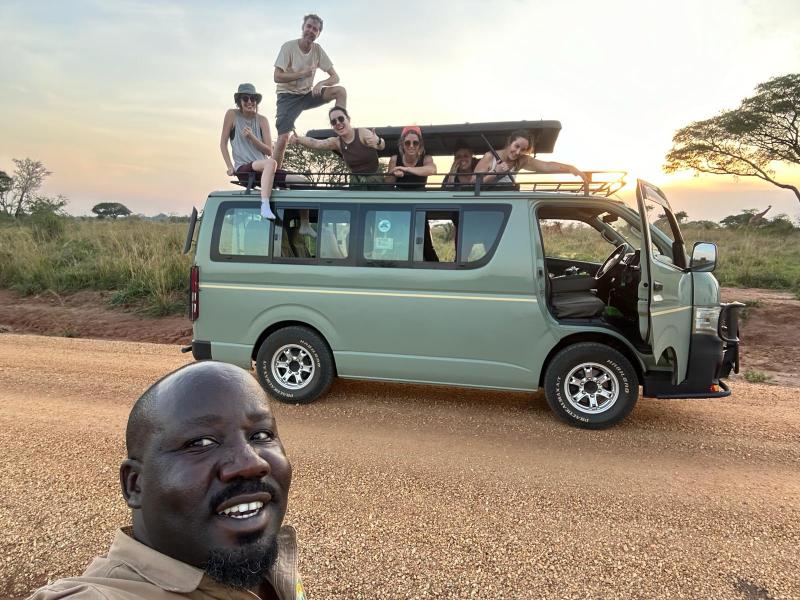
The most common route to Tsavo East is via the A109 highway from Nairobi to Mombasa, which goes through the park.
From Nairobi to Tsavo East: 233–250 km (4-6 hours) via A109 to Mtito Andei or Voi gates; a 4×4 vehicle is advised for tracks. Mombasa: 96-153 km (2-4 hours) to Buchuma or Sala. Self-drive budget-friendly tours provide open vehicles that offer amazing experiences.
By Train/Railway
The Madaraka Express from Nairobi to Mombasa stops at Voi or Mtito Andei (4-6 hours, $10-30 economy); arrange lodge transfers for seamless park entry.
Comparative Analysis of Tsavo National Parks: Tsavo East vs. Tsavo West National Park
| Aspect | Tsavo East | Tsavo NP West |
| Size | 13,747 km² (the largest national park) | 9,065 km² |
| Landscape | Generally flat, dry plains, semi-arid grasslands | Mountainous, wetter with swamps, Chyulu Hills |
| Wildlife Viewing | Easier in open bush; large herds dust-red jumbos | Denser vegetation; black rhino sanctuary, Mzima Springs hippos |
| Attractions | Yatta Plateau, world’s longest lava flow, Mudanda Rock, Lugard Falls, Aruba Dam | Volcanic cones, Lake Jipe, dramatic lava flows |
| Accessibility | Coastal gates like Sala, railway line through park | More lodges, Mtito Gate near highway |
| Best For | Birding (500+ species), wilderness safari drives | Varied scenery, black rhinos, water features |
Tsavo East is known for its open wildlife spotting opportunities in the vast Tsavo area, while West Tsavo Plateau is recognized for its scenic landscapes. The East is often best for uncrowded wildlife.
Safari Packing List for Tsavo East Park Tours
- Lightweight neutral clothes and long sleeves/pants for sun and bugs in semi-arid areas.
- Binoculars and a camera with a zoom for wildlife viewing.
- High-SPF sunscreen, a wide hat, and sunglasses against dry-season heat.
- Ensure you have sturdy walking boots for your hikes and a warm jumper for chilly nights.
- First aid kit, personal meds, malaria prophylactics.
- Reusable water bottle to stay hydrated; energy snacks.
- Passport, park permits, cash for fees.
- Bird/animal field guides for spotting species.
- Daypack, torch for night drives/camping.
- Insect repellent and layers for dust and temperature shifts.
Threats Facing Tsavo East National Park
Poaching persists for ivory, with tuskers like Satao I/II lost in 2014/2017; bushmeat rises in droughts. Human-wildlife conflicts intensify: jumbos raid farms (May 2025 straying), and lion species kill livestock amid habitat squeeze from settlements.
Climate change fuels prolonged droughts (2022 deaths of zebras and jumbos; 2025 pollution in the Galana River killed 50 jumbos). Unpredictable weather dries water sources and stresses ecosystems.
Ongoing Conservation Efforts and Protection Initiatives in Tsavo East National Park
Some of these include.
- Kenya Wildlife Service, with Tsavo Trust, deploys rangers and tracking collars (e.g., Dida 2022).
- Sheldrick Trust’s Galana anti-poaching teams curb bushmeat and boost populations.
- Beehive fences and community education mitigate raids.
- Black rhino monitoring and sightings (2025 mother-calf) in sanctuaries.
- Relocations like the Meru elephant to Tsavo (Oct 2025) ease conflicts.
- Save the Elephants flyovers and arrests reduce poaching
- Reforestation and corridors aid migrations.
- Fee hikes fund efforts
- Public forums shape regulations.
Top Tanzania Safari Operators Offering Tsavo East Park Tour Types
Tsavo East National Park Safari Packages: Types & Options
Day Trips: Quick, single-day escapes from Mombasa or Nairobi; full-day safari drives spotting red jumbos and maneless lion types at Mudanda Rock or the dam at Aruba—perfect for time-tight travelers.
Multi-Day Safaris: Deeper immersion with 3+ day packages (from $560 pp for 3 days mid-range, per Your African Safari); include overnight stays at camps like Satao or Voi Lodge, morning/afternoon drives, night safaris, and Yatta Plateau hikes.
Budget to Luxury Options:
- Budget: $300–$600 pp for 3 days (shared drives, basic camps like Ndololo).
- Mid-Range: $800–$1,500 pp (tented lodges, guided walks).
- Luxury: $2,000+ pp (private vehicles, premium camps like Galdessa).
Customizable Tours: Tailor duration, activities (birdwatching, walking safaris, bush dining), and lodging to fit any budget or interest—mix Tsavo East with Serengeti or Zanzibar for seamless East Africa adventures.
Other Kenya National Parks to Combine with Tsavo East Park Safari Itineraries
- Amboseli National Park: Iconic Kilimanjaro views, elephant herds; short drive for varied savanna.
- Masai Mara National Reserve: Wildebeest migrations, dense lion populations; fly-in for contrast to Tsavo’s aridness.
- Tsavo West National Park: Adjacent, Mzima Springs, black rhinos; easy combo via highway.
- Chyulu Hills National Park: Volcanic hikes, lava tubes; borders Tsavo for extended wilderness.
- Nairobi National Park: Urban safari start, rhinos near city; quick access before Tsavo.
- Mkomazi Game Reserve (Tanzania): Cross-border extension, similar dry bush for multi-country trips.
These, among other protected areas in the country, are perfect for combining with Tsavo National Park safaris!
Tsavo East National Park FAQs
- Is Tsavo East Worth Visiting? | Is Tsavo East Worth It?
Absolutely—it’s vast wilderness, red elephants, and uncrowded trails offer authentic safaris. Spot the Big Five, hike Yatta, and birdwatch 500 species; combine with beaches for variety.
- Why is Tsavo National Park Famous? | Why is Tsavo National Park Famous in Kenya?
For the man-eating lion species of 1898, red-dust elephants, the world’s longest magma flow (Yatta), and the Big Five in Kenya’s largest reserve—this epic biodiversity and history draw adventurers.
- Are There Lions in Tsavo East?
Yes, over 80, including unique maneless males; the ecosystem holds 675. Spot them on game drive trips, especially mornings.
- What is Tsavo East Famous For?
The region features red jumbos, maneless lion species, the Galana River, and Mudanda herds, while the plains for cheetahs and gerenuks are located exclusively to the south.
- What is Unique About Tsavo National Park?
The region is renowned for its maneless lion species, dust-red jumbos, Yatta flow, railway split, and semi-arid rarities such as the hirola and Somali ostrich.
- Is Tsavo Better Than the Masai Mara?
Tsavo offers an uncrowded vastness and a unique dry environment, featuring gerenuks, while the Mara is known for its migrations and denser populations of big cats; overall, Tsavo provides an adventurous and less touristy experience—however, both Kenya parks are epic in their own ways.
Conclusion
Tsavo East National Park, Kenya’s vast wilderness of red jumbos, maneless lion species, Yatta Plateau, and 500+ birds, offers authentic safaris amid semi-arid plains. Explore wildlife, history, and conservation. Book your game drive today with us, your expert Africa safari agents, and experience Africa’s raw heart and support protected areas!

Over 300 excellent reviews on TripAdvisor
Over 50 excellent reviews on Safaribookings.
Over 50 excellent reviews on Safaribookings.
12+ years of experience.
Best price guarantee.

Robert
Speak to a specialist to plan your customized safari and experience safari tours like never before...
Get expert safari advice: Call or arrange a video appointment with our tour specialists.