 >
> Below is a detailed overview of Gombe Stream National Park!
Location and Size of Gombe Stream National Park
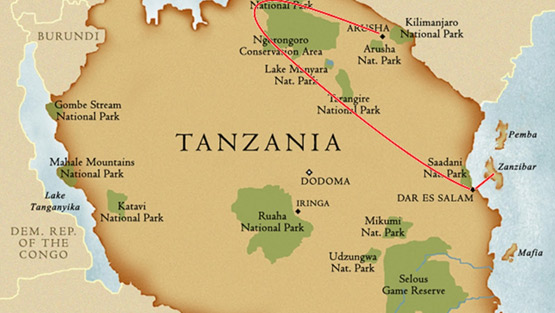
Gombe Stream National Park is located in the Kigoma District of the Kigoma Region, approximately 16 kilometers north of Kigoma town in Tanzania.
Situated along the eastern shore of Lake Tanganyika—the world’s longest freshwater lake and the second deepest after Lake Baikal—Gombe Stream National Park covers a mere 14 square miles (35 sq km).
Despite its compact size, Gombe’s diverse terrain, including steep gorges/valleys, tropical rainforest, and sandy shores, supports a remarkable concentration of wildlife, making it one of Africa’s most unique safari parks.
History of Gombe National Park
Established as a game reserve in 1943, Gombe was officially declared a national park in 1968, largely due to the pioneering work of Dr. Jane Goodall.
In 1960, at the age of 26 and without formal academic training, Goodall arrived in Gombe to study the endangered species of the chimpanzees under the mentorship of anthropologist Louis Leakey.
Rather than assigning numbers, she gave personal names like Fifi and David Greybeard, recognizing each of them for their unique and individual personalities – an unconventional idea for her time.
Goodall’s revolutionary findings on chimpanzee behavior, including their tool-making abilities and complex social relationships with family members, reshaped the understanding of the scientific community about primates and their similarities to humans, contrary to what was previously thought about the animal kingdom.
The Gombe Research Center, founded in 1967, continues to coordinate ongoing chimpanzee research, making it the longest-running field study of an animal species in its natural wilderness/environment.
Geography and Geology of Gombe Stream National Park
Gombe National Park’s landscape is a breathtaking mix of steep valleys, green forests, grasslands, and woodlands, all set against the backdrop of Lake Tanganyika’s crystal-clear waters.
The park is characterized by 16 major valleys with fast-flowing streams, creating a rugged yet scenic terrain.
The tropical rainforest dominates the areas where chimpanzees and other primates thrive, while the lake’s shoreline provide a serene contrast.
This thin strip of ancient forest, nestled between the lake and mountainous ridges, is geologically significant, sitting along the western escarpment of the Great Rift Valley.
Weather and Climate of Gombe National Park
Gombe enjoys a pleasantly warm climate year-round, with daytime temperatures averaging around 26°C (79°F) and cooler nights at approximately 22°C (72°F). The park experiences two distinct seasons:
- Dry Season (May to October): This is the best time to visit, with sunny, clear days and minimal rainfall. Afternoon temperatures hover around 26–27°C, making it ideal for chimp tracking and swimming in Lake Tanganyika.
- Wet Season (November to April): High humidity and frequent afternoon showers, especially in April, characterize this season. Temperatures are slightly cooler, around 25°C, during the day. Trekking can be challenging due to muddy trails, but the lush greenery and abundant food attract chimpanzees closer to forest trails.
Gombe Stream National Park Management
Managed by the Tanzania National Parks Authority (TANAPA), Gombe National Park focuses on protecting its delicate ecosystem and supporting ongoing conservation efforts.
The Gombe Stream Research Centre, operated by the Jane Goodall Institute, plays a crucial role in coordinating chimpanzee research and monitoring threats like habitat disturbance and disease.
The park’s management enforces strict regulations, such as mandatory guided hikes and mask-wearing during chimp tracking, to ensure visitor safety and minimize human impact on wildlife.
Outstanding Tourist Attractions in Gombe National Park
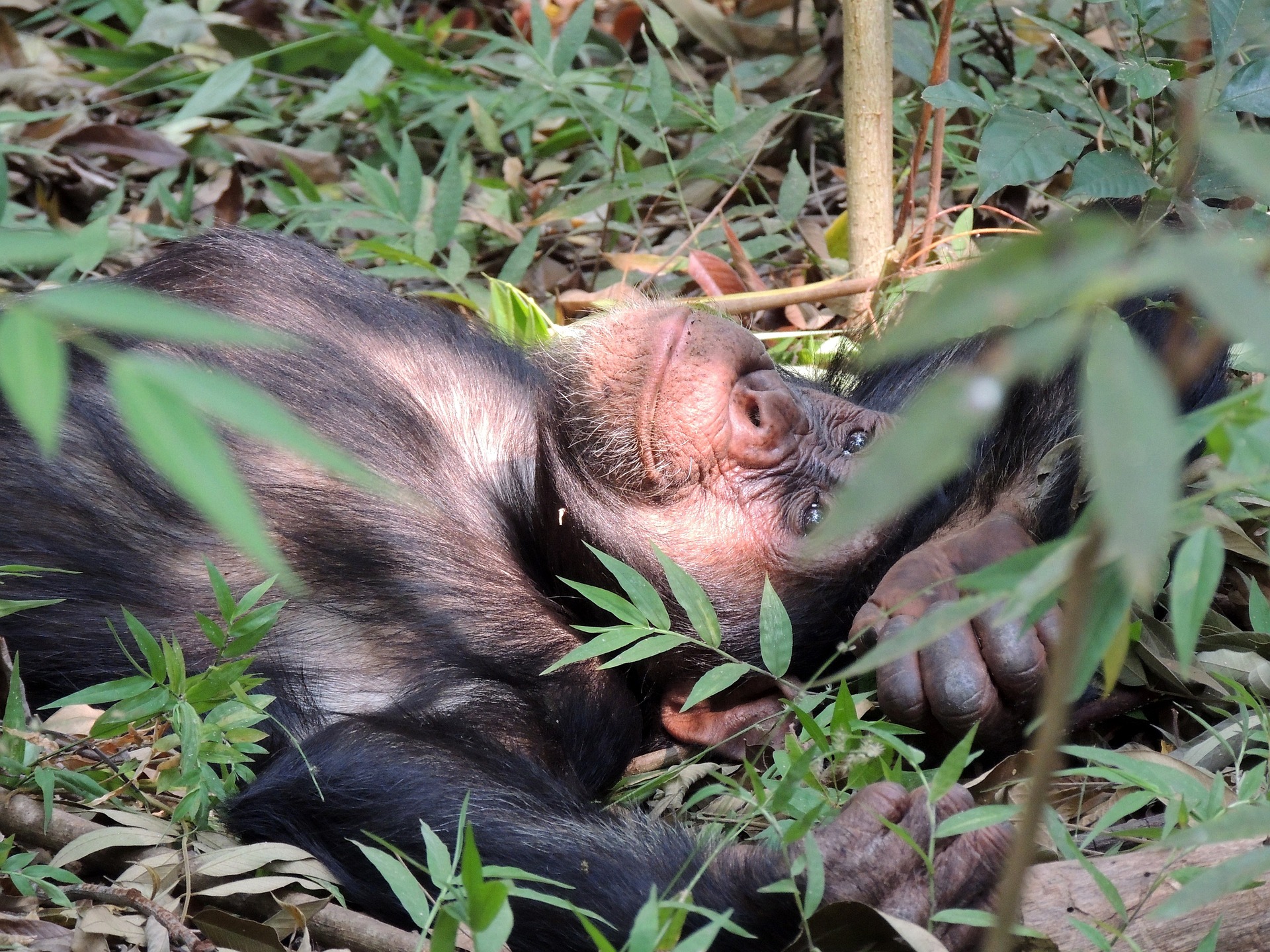
Gombe Stream National Park is a treasure trove of natural wonders and wildlife. Key attractions include:
- Chimpanzees: Approximately 150 chimpanzees exist in Gombe NP, including the famous Kasakela community. Therefore, Gombe offers unparalleled opportunities to observe these endangered primates in their habitat.
- Other Primates: The park boasts one of Africa’s highest concentrations of primates, including red colobus monkeys, red-tailed monkeys, blue monkeys, vervet monkeys, and olive baboons.
- Other Wildlife: Beyond primates, Gombe is home to many species of large predators and large mammals such as bush pigs, small antelopes, hippopotamuses (rarely seen), leopards (occasional sightings), and various snake species, adding diversity to the park’s ecosystem.
- Birds: With over 200 bird species, Gombe is a birdwatcher’s paradise. Notable species of birds include the African fish eagle, palmnut vulture, Ross’s turaco, and double-toothed barbet.
- Gombe Stream Research Centre: A historic site where Jane Goodall conducted her pioneering chimp research, the centre offers insights into ongoing conservation efforts and the legacy of her work, making it a must-visit for those interested in primatology and conservation science.
- Lake Tanganyika: Shared by four countries in Africa, the lake’s sandy shoreline and azure waters provide a stunning backdrop for relaxation and water-based activities.
- Lushy Forests and Steep Valleys: The park’s tropical rainforest and rugged valleys offer scenic beauty and a Tarzan-like jungle experience with so many birds and animals.
Fun Safari Activities in Gombe National Park
Gombe offers a variety of exciting activities for visitors:
- Chimpanzee Trekking: The park’s flagship activity, chimpanzee tracking, involves guided hikes into the forest to observe habituated chimpanzee troops that live protected in Gombe NP. Visitors are allowed one hour with the chimps, learning about their behaviors and social dynamics.
- Birdwatching: With over 200 bird species, Gombe is ideal for bird enthusiasts. Early morning and late evening walks offer the best chances to spot forest and migratory birds.
- Guided Nature Walks: Explore the park’s forest trails with an armed guide, visiting attractions like Jane Goodall’s old feeding station, the Gombe Research Center, and encountering primates like the red-tailed monkeys, red colobus monkeys, vervet monkeys, olive baboons, Gombe chimpanzees, other wildlife, plants, and scenic views.
- Sport Fishing: Conducted in designated areas of Lake Tanganyika with a permit, this catch-and-release activity is guided by local experts.
- Sundowners on Lake Tanganyika: Enjoy a romantic dhow cruise at sunset, sipping drinks while watching fishermen in lantern-lit canoes.
- Snorkeling and Diving: Dive into Lake Tanganyika’s clear waters to explore vibrant cichlid fish, with visibility up to 20 meters during the dry season.
- Hiking to Waterfalls: Guided hikes to waterfalls within the park’s steep valleys offer refreshing stops and stunning views.
Rules and Regulations to Follow When Visiting Gombe National Park
To protect Gombe’s delicate ecosystem and ensure visitor safety, strict rules are enforced:
- All hikes, including chimp trekking, require a park guide.
- Visitors must wear masks when observing chimpanzees to prevent disease transmission.
- Maintain a safe distance (at least 7 meters) from chimpanzees and other animals to avoid disturbing them.
- Only one hour is allowed with chimp troops to minimize stress.
- No littering or feeding wildlife to preserve the natural environment.
- Obtain permits for activities like chimp trekking ($100) and sport fishing.
- Follow the guide’s instructions to ensure safety from wildlife, such as leopards or hippos.
Gombe National Park Accommodations
Gombe offers a range of accommodations catering to different budgets and preferences:
- Mbali Mbali Gombe Camp: A luxury tented camp with seven en-suite tents under thatched roofs, offering private decks, flush toilets, and hot showers. Located on Lake Tanganyika’s shores, it features a communal lounge, bar, and jetty.
- Lake Shore Lodge: A serene lodge near Gombe with luxury beachfront chalets, lawn bandas, and camping options. Amenities include a jacuzzi, spa, and yoga classes.
- Lupita Island: A private island resort on Lake Tanganyika with 10 luxurious cottages, a swimming pool, fine dining, and panoramic lake views.
- Gombe Bandas: Budget-friendly bandas with shared facilities, ideal for cost-conscious travelers.
- Kigoma Hilltop Hotel: A mid-range option in Kigoma town, offering comfortable lodging for those staying before or after boat transfers to the park.
Costs to Incur When Visiting Gombe Stream National Park
Visiting Gombe involves several costs, which vary based on activities and travel preferences:
- Chimpanzee Trekking Permit: $100 per person.
- Park Entry Fees: Approximately $20–$50 per person per day, depending on nationality and age.
- Boat Transfers from Kigoma: Lake taxis cost around 10,000 TZS ($5), while private charters start at $200.
- Accommodation: Budget options like Gombe Bandas cost $20–$50 per person per night, while luxury lodges like Mbali Mbali Gombe Camp range from $150–$300 per person per night.
- Flights: Domestic flights from Dar es Salaam or Arusha to Kigoma cost $200–$400 one-way.
- Guided Activities: Birdwatching or nature walks may incur additional guide fees ($10–$20).
- Miscellaneous: Meals, tips, and optional activities like snorkeling or sundowner cruises add to the budget.
For precise pricing, contact tour operators for booking assistance.
Best Time to Visit Gombe National Park
The dry season, from June to September, is the best time to visit Gombe Stream National Park. During this period, there better hiking conditions as trails are less muddy, making chimpanzee trekking easier, and chimpanzees are more likely to be found closer to trails due to abundant food. The clear weather also enhances lake activities like swimming and snorkeling.
The wet season (November to April) offers lush scenery and is ideal for birdwatching, but heavy rains can make trekking challenging and may lead to activity cancellations.
How to Get to Gombe Stream National Park Close to Lake Tanganyika?
Gombe is accessible only by boat from Kigoma, as there are no road routes into the park. This is how to get there:
- By Air: Fly from Dar es Salaam or Arusha to Kigoma Airport (2-hour flight, $200–$400). Scheduled flights operate daily, while shared charter flights from Arusha run twice weekly.
- By Boat: From Kigoma, take a lake taxi from Kibrizi Beach (4 hours, ~$5) or a private motorboat ($200+). The historic MV Liemba ferry, operating biweekly between Tanzania and Zambia, also stops at Gombe.
- By Road or Rail: Driving or taking trains/buses from Dar es Salam is possible but not recommended due to long travel times (up to 2 days) and rough terrain.
Arrange travel through tour operators like Prime Safaris and Tours Ltd. for seamless logistics in Tanzania, East Africa.
Safari Checklist for Gombe National Park Tours
Prepare for your Gombe National Park Tours and adventure with this checklist:
- Lightweight, breathable clothing for warm weather
- Sturdy hiking boots for trekking
- Rain gear for wet season visits
- Binoculars for birdwatching
- Camera with zoom lens for wildlife photography
- Reusable water bottle and high-energy snacks
- Sunscreen, insect repellent, and a hat
- Face masks for chimp trekking
- Valid passport and travel insurance
- Cash (TZS or USD) for tips and small purchases
- Booking confirmations for permits, accommodations, and transfers
Threats Faced by Gombe Stream National Park
Gombe NP faces several threats, primarily from human encroachment. Nearby village lands disrupt wildlife movement between protected areas, leading to habitat fragmentation.
Poverty drives local communities to hunt wildlife or clear forests for agriculture, threatening biodiversity.
Disease transmission from humans to chimpanzees and other primates is a significant concern, addressed through strict visitor regulations.
Climate change and fluctuating lake levels also impact the park’s ecosystem, affecting both wildlife and tourism activities.
Conservation Efforts in Gombe National Park: A Hub for Chimpanzees and Blue Monkeys
Conservation in Gombe is a collaborative effort led by TANAPA and the Jane Goodall Institute. Key initiatives include:
- Chimpanzee Research and Monitoring: The Gombe Stream Research Center tracks chimpanzee populations, studying their demographics, health, and behavior to inform conservation strategies.
- Habitat Protection: The park’s 35 sq km is strictly protected to preserve the natural environment for chimpanzees and other species.
- Community Engagement: Programs educate local communities on sustainable practices, reducing reliance on hunting and deforestation.
- Disease Prevention: Mandatory mask-wearing and limited interaction times during trekking protect chimpanzees from human-transmitted diseases.
- Ecotourism: Revenue from tourism supports conservation efforts and provides economic incentives for locals to protect wildlife.
Gombe National Park Map
Commonly Asked Questions About Gombe National Park, FAQs
- Why Did Jane Goodall Go to Gombe National Park?
Goodall went to Gombe in 1960 to study chimp behavior under the guidance of Louis Leakey, aiming to understand their social structures and behaviors in their natural habitat.
- Why Is Gombe National Park Famous?
Gombe is renowned for Jane Goodall’s pioneering chimpanzee research, which revealed their tool-making abilities, complex social relationships, and similarities to humans. The park’s Kasakela chimpanzee community is featured in numerous books and documentaries, including the 1965 film with National Geographic, “Miss Goodall and the Wild Chimpanzees,” which made her a household name..
- Does Jane Goodall Still Go to Gombe?
While Jane Goodall no longer lives in Gombe, she occasionally visits to support the Jane Goodall Institute’s work and ongoing research at the Gombe Stream Research Center.
- Can You Visit Gombe National Park?
Yes, Gombe is open to visitors for chimp tracking, birdwatching, and other activities. Access is by boat from Kigoma, and permits are required for trekking.
- How Many Chimpanzees Are Left in Gombe National Park?
Approximately 150 chimpanzees live in Gombe, primarily in the Kasakela community, though numbers fluctuate due to natural and human-related factors.
- What Other National Parks Can I Combine with Gombe?
Gombe pairs well with Mahale Mountains National Park and Katavi National Park on Tanzania’s western safari circuit, offering more primate trekking and large mammal sightings. For broader adventures, consider Serengeti, Ngorongoro Crater, or Zanzibar.
Conclusion
Gombe National Park is a unique destination where visitors can step into the world of chimpanzees, explore lush forests, and relax on the sandy shores of Lake Tanganyika. Its small size belies its immense ecological and scientific significance, with the Gombe Stream Research Centre standing as a testament to Jane Goodall’s legacy. Whether trekking with chimpanzees, birdwatching, or enjoying a sundowner cruise, Gombe offers an unforgettable safari experience.
Plan your visit during the dry season, pack wisely, and immerse yourself in the legacy of revolutionary conservation work in this Tanzanian treasure.

Over 300 excellent reviews on TripAdvisor
Over 50 excellent reviews on Safaribookings.
Over 50 excellent reviews on Safaribookings.
12+ years of experience.
Best price guarantee.

Robert
Speak to a specialist to plan your customized safari and experience safari tours like never before...
Get expert safari advice: Call or arrange a video appointment with our tour specialists.