 >
> Here’s what you should know about Mahale NP.
Mahale National Park Location and Size in East Africa
Mahale sits in Uvinza District, Kigoma Region, right on Lake Tanganyika’s eastern shore in far western Tanzania.
It’s well off the usual tourist routes, which is exactly why people love it — you get real solitude.
The park covers about 1,613 square kilometers, from the lake’s pebbly beaches up steep mountain slopes.
Being on Lake Tanganyika — the world’s longest and second-deepest freshwater lake — adds a whole water element to your land-based trip.
Inside the park you’ll find dense forests full of primates and birds. With no roads or infrastructure, it feels genuinely wild.
Many visitors pair Mahale with nearby Katavi National Park to see more of western Tanzania.
History of Mahale Mountains National Park, Tanzania
Mahale became a national park in 1985, but conservation work started way earlier.
Japanese researchers began studying the chimps here in 1965, and slowly habituated groups like the Mimikire, or M-group, so they could be observed up close.
Before it was a park, the Batongwe and Holoholo people lived here. They were moved in the late 1970s when the Mahale Mountains Wildlife Research Centre was set up in 1979.
In 1987, there were about 22,000 Batongwe and 12,500 Holoholo. They lived lightly on the land, with little impact.
The park was created to protect the chimps and their forest home, which sits in the Eastern Afromontane biodiversity hotspot.
Kyoto University’s ongoing research has produced hundreds of studies, showing just how important Mahale is for understanding primate behavior and ecology.
Geography, Weather, and Climate of Mahale Mountains National Park
Mahale is gorgeous. Crystal-clear Lake Tanganyika laps white-sand beaches, and behind them the Mahale Mountains rise steeply.
Lush forests climb up to montane grasslands, with rivers cutting through Kasoje forest and miombo woodland.
Mount Nkungwe dominates the skyline at 2,462 meters, and the views from up there are incredible. The climate is tropical.
The long dry season, July to October, brings sunny days and the easiest trekking. Lakeside it’s 25–30°C, cooler in the mountains.
Short rains come in November and December. Heavy rains fall March–May — everything turns green, but trails get muddy.
In the dry months, chimps come down lower to feed, so they’re easier to find. All year, the place is alive — fish in the lake, butterflies in the clearings, and plenty more on a Tanzania safari.
Mahale Mountains National Park Management
TANAPA runs Mahale, and they keep things strict to protect the fragile forest and chimps. Chimp tracking permits are limited, with only six people per group.
You have to wear a surgical mask near the chimps to avoid spreading illness, and you get just one hour with them.
There are no roads — you move on foot or by boat — which keeps the park pristine. TANAPA does ecological monitoring, anti-poaching patrols, and works with local villages.
Groups like the Frankfurt Zoological Society help with infrastructure, research, and managing tourism.
All of this keeps visits sustainable and protects habitat for over 1,000 chimps and tons of other wildlife.
Beautiful Attractions in Mahale Mountains National Park
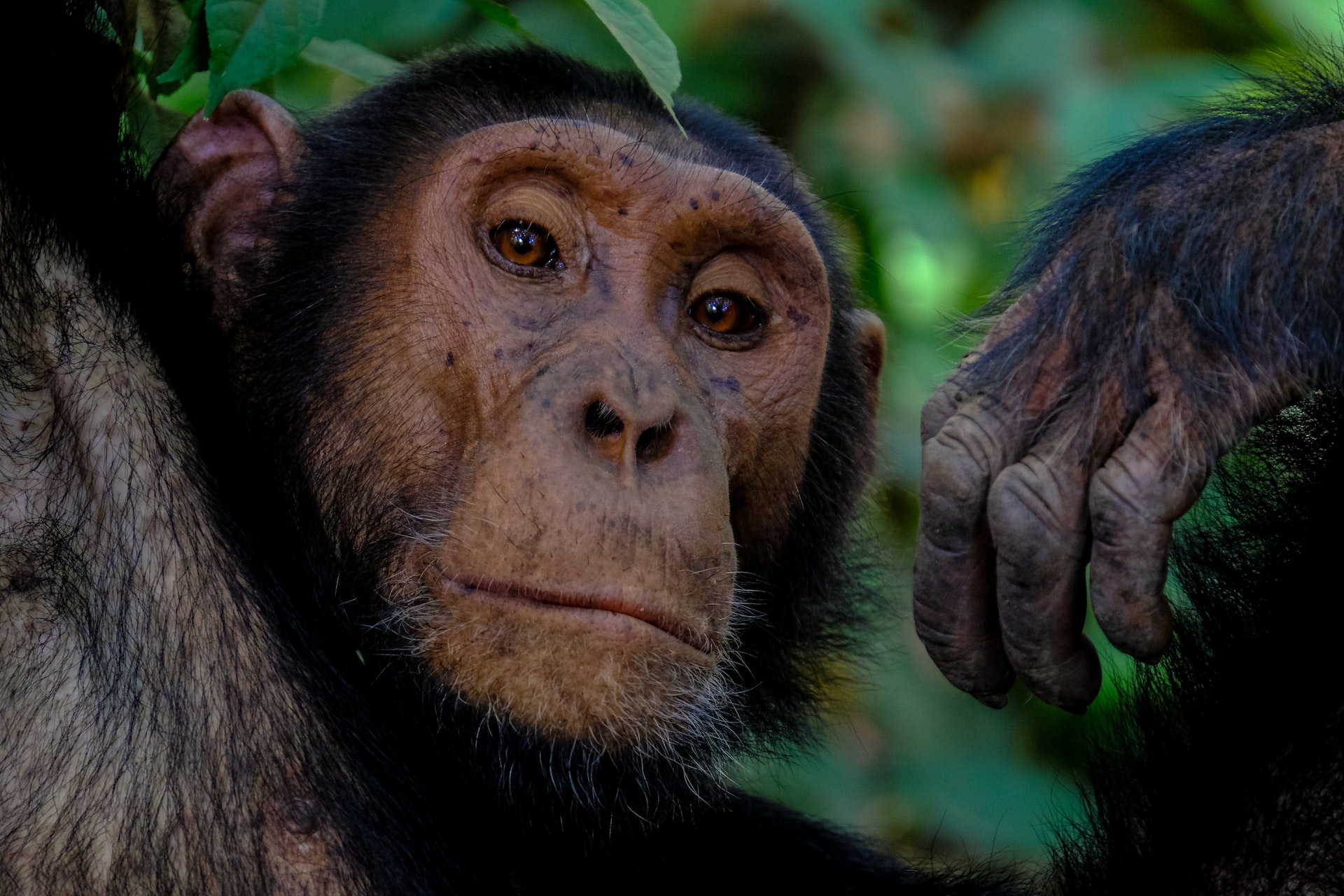
Mahale mixes amazing primate encounters with scenery and biodiversity. The chimps are the star, but there’s plenty more.
- Mahale’s Chimpanzees — The Main Attraction
Around 800–1,000 eastern chimpanzees live here — Tanzania’s biggest population. The habituated Mimikire group has been studied by Japanese researchers since the 1960s, so you can watch family life, grooming, and feeding up close in the rainforest. Uniquely, lions share this forest with chimps — the only place on earth that happens.
- Bird Species
Over 350 bird species call Mahale home. Look for African eagles over the lake, Pel’s fishing owls along rivers, and crested guineafowl in the undergrowth. The montane forests have endemics too, so birding on forest walks is a highlight.
- Other Primates
Besides chimps, you’ll see yellow baboons, red colobus monkeys, vervet monkeys, red-tailed monkeys, and blue monkeys. At night, bushbabies come out.
- Other Wildlife
Bigger animals like elephants, lions, leopards, buffalo, giraffes, and bush pigs live in the thicker areas, though they’re hard to spot in the dense vegetation. Hippos and crocodiles are in the lake. Mahale is the only place where chimps and lions coexist — that alone makes it special.
- Mount Nkungwe
At 2,462 meters, it’s the park’s highest peak and sacred to the local Tongwe people. The climb rewards you with huge views over the lake and mountains.
- Lake Tanganyika
The world’s longest lake at 677 km, and second-deepest at 1,470 m. It holds over 250 fish species found nowhere else. The lake’s ancient ecosystem is a major draw for visitors.
- Mahale Mountain Ranges
Rugged, forest-covered mountains with trails through rainforest, bamboo, and grasslands. Great hiking and scenery for your Tanzania trip.
- Ujiji
A historic town nearby where Livingstone and Stanley famously met. Good for a cultural side trip into colonial and slave trade history after your Mahale safari.
Safari Activities Done in Mahale Mountains National Park
Mahale National Park safaris revolve around immersive, non-motorized experiences such as
- Chimpanzee Tracking
Guided treks track the one group of habituated Mimikire chimpanzees in lush jungles. These treks last 1–8 hours and become easier from Jul to Oct when groups forage lower. A maximum of six visitors join each group for one hour of viewing while wearing masks. Visitors get to hear pant-hoots and see grooming sessions with alphas.
Japanese scientists have studied these animals since 1965, and now tourists who wish to go tracking chimpanzees can do so after obtaining permits, and sightings remain high in Tanzania’s top chimpanzee spot.
- Birding
Over 350 species appear on guided forest and waterfront walks during Tanzania birding tours. Visitors spot African fish eagles, Pel’s fishing owls, and turacos. Early mornings work best, with migrants arriving from October to April. Properly laid out trails reveal crested guineafowl and warblers.
Guests combine this with treks, and lodges provide guides and bird checklists. This activity highlights Mahale’s biodiversity in the Afromontane hotspot. A relaxing pursuit yields dozens of species daily.
- Swimming
After trekking, guests cool off in Lake Tanganyika’s warm 25–28 °C crystal-clear waters from white-sand waterfronts. Swimmers stay in lodge-monitored shallow zones to avoid crocodiles and hippos. Although no lifeguards are on duty, guides keep watch and enforce strict safety rules.
Dawn and dusk swims are discouraged due to higher animal activity. Families are welcome, provided children stay under close adult supervision. This relaxation perfectly complements Mahale’s road-free chimpanzee adventures.
- Snorkeling
Explorers view over 250 endemic cichlids in shallow reefs off the seaside. Lodges supply gear for guided 1–2 hour sessions. High visibility shows how colorful fish swim in rocky habitats. Beginners find calm areas simple. Beginners are advised to avoid deep drops and refrain from touching anything.
Sustainable practices reveal the ancient lake ecosystem. The dry months are ideal for exploring the land-water worlds after chimp treks in the country.
- Kayaking
Paddlers launch single or double kayaks from Mahale’s white-sand beaches for guided tours along scenic waterfronts. Gliding over calm waters, they spot hippos from a safe distance and watch eagles dive. Calm mornings mirror the mountains perfectly.
No experience required; life jackets are provided. Routes include picnic waterfronts and snorkel stops. This eco-friendly adventure explores the world’s longest freshwater lake, ending with magical sunsets glowing over Congo.
- Sport Fishing
Sport angling on L. Tanganyika offers exciting catch-and-release of tilapia, Nile perch, and giant catfish from lodge boats. Guides provide gear and mandatory permits while enforcing barbless-hook rules to protect endemic types. Early mornings or evenings yield the best action against stunning mountain backdrops. Dry-season calm seas enhance the experience. This sustainable thrill complements chimpanzee treks and supports local communities.
- Hiking Mount Nkungwe
A challenging 2–3 day guided hike with armed rangers climbs sacred Mount Nkungwe (2,462 m). Overnight camping traverses woodlands, bamboo jungles, and grasslands. The summit rewards with breathtaking 360° panoramas of L. Tanganyika, the Congo hills, and chimpanzee valleys. Monkeys and rare birds accompany the journey.
Moderate-high fitness is required to explore Mt. Nkungwe, and porters always help to carry gear. It is best done in the dry season for firm trails. This spiritual Tongwe peak showcases Mahale’s dramatic vertical wilderness.
- Forest Walking
Leisurely guided forest walks pass through Mahale’s lush rainforests and miombo woodlands. Paths meander past towering mahoganies, strangler figs, hidden waterfalls, and vibrant butterflies. Vervet and colobus monkeys watch overhead while guides reveal medicinal plants and ecology.
Lasting 1–3 hours, these gentle strolls suit all fitness levels and offer perfect photography opportunities. A peaceful contrast to chimp treks, they immerse you in Mahale’s verdant magic.
- Cultural Experiences
Boats reach nearby Holoholo and Batongwe villages for guided tours of traditions, fishing, and dances. Guests visit Ujiji’s historical site for the Livingstone-Stanley meeting. They taste ugali and buy crafts. Half-day trips ensure respectful interaction. This highlights pre-park harmony and conservation benefits. It blends nature and heritage in western Tanzania and deepens safaris beyond wild creatures to people and colonial history.
Rules and Regulations for Visiting Mahale Mountains NP, Tanzania
- To protect chimps and their habitat: only participants aged 12+ for chimp walking
- No flash photography
- Maintain a 7–10m distance
- Masks are mandatory
- Use only a one-hour limit with chimps
- No littering, off-trail wandering, or feeding animals.
- Health checks required—no colds or flu.
- Permits via lodges or TANAPA.
- Boat speeds are restricted near shores.
Mahale National Park Accommodation
All the lodges are right on the lakeshore, so you’re never far from the water or the forest. There’s something for every budget.
- Greystoke Mahale Camp
This is the iconic luxury spot. Six thatched bandas built from old dhow wood, open to the forest and lake with no electricity — just solar. Each has a private deck and outdoor shower. The main lodge does gourmet meals and classic sundowners. Chimp treks and kayaking go straight from camp. It’s run by Nomad Tanzania and feels like barefoot luxury in the middle of nowhere.
- Mbali Mbali Mahale Lodge
A comfortable mid-range tented camp right on the beach. Used to be Kungwe Beach Lodge. Six spacious tents, each with a veranda, en-suite bathroom, hot showers, flush toilets, and solar lights. The dining area looks out over Lake Tanganyika, and guided chimp treks leave daily from here. You get comfort without losing that wild Mahale feel.
- Bandas – Budget
These are basic, park-run thatched huts at Kasiha near the ranger post. You’ll share bathrooms with cold showers and toilets. Beds are simple but have mosquito nets and bedding. There’s a place to cook if you want to self-cater, or rangers can help arrange meals. Easy to reach by boat. Perfect if you’re independent and just want affordable access to the chimps and trails without the frills.
- Mahale Mango Tree Bandas
Run by the government, these are simple, budget rooms on the lakeshore. Five basic rooms with twin beds, nets, and shared facilities close by. Solar lights for the evenings — no full electricity. You can have park staff sort meals or cook for yourself. The location makes it easy to head out for chimp tracking.
A straightforward, affordable way to stay in Mahale while supporting Tanzania National Parks’ conservation work.
Safari Prices to Incur During Mahale National Park Tours
Costs vary, e.g.,
- Entry—$80/adult/day
- Chimp permit—$100–200/person.
- Fly-in packages—$3,000–6,000 for 3–4 days, including flights, lodging, meals, and treks.
- Vessels from Kigoma add $200–500. Budget options via public ferry are cheaper but longer.
Best Time to Visit Mahale National Park
If you want the best shot at seeing chimps without slogging through mud, aim for July to October. That’s the long dry season. The chimpanzees tend to come down to the lower slopes, so the walks are easier, and sightings are more reliable. Trails hold up well, and Lake Tanganyika stays calm — perfect for kayaking, snorkeling, or a swim.
Expect warm days around 25–30°C with low humidity. Toward the end of the season, encounters are often at their best, skies are clear for photos, and all the lodges and flights from Arusha are running.
May to June is a solid shoulder-season pick. The bush thins out, trails are drying, and the lake is still great for activities. Temperatures sit at a comfortable 24–28°C. Birding is excellent, there are fewer tourists, and you’ll usually find better rates.
Skip March to May if you can. Heavy rains make the trails muddy and the chimps harder to find. Boat access can get disrupted, humidity is high, and many lodges shut down.
How to Get to Mahale National Park?
Mahale has no roads inside the park and can only be reached by air or water.
- By Air (Fastest and Most Common)
Scheduled or charter light-aircraft flights operate from Arusha or Dar es Salaam directly to Mahale Airstrip (June–October peak season, 3–5 hours). Outside peak season, flights are less frequent or on request. Many visitors fly into Kigoma (TKQ) first and then take a short charter or vessel.
- By Water from Kigoma
From Kigoma town (reachable by daily flights from DAR or Arusha):
- Private speedboat—~4–6 hours
- MV Liemba historic ferry—~10 hours (twice weekly)
- Local timber vessel—up to 15 hours
- Adventurous kayak transfers—1–2 days with guides
- Overland to Kigoma (Budget Option)
Drive or take the train from Arusha/Dar es Salaam to Kigoma (2–4 days, rough roads, 4WD required, often impassable in rainy season). From Kigoma, continue by vessel.
Contact a reputable tour operator to arrange everything—flights, transfers, and boats—because schedules change frequently and coordination is complex. Most visitors choose the fly-in option for speed and comfort.
Checklist for Mahale National Park Tours
- Neutral, long-sleeved shirts and trousers – Keeps sun and bugs off you.
- Sturdy hiking boots with good grip – The montane forest trails can be slick.
- Lightweight rain jacket or poncho – Showers pop up without warning.
- Good binoculars – You’ll want them for chimps and birds.
- Camera + spare batteries and memory cards – You’ll take more photos than you think.
- Strong insect repellent (30–50% DEET) – The bugs are serious here.
- High-SPF sunscreen and lip balm – The sun and altitude can burn you fast.
- Personal meds + basic first-aid kit – Just in case.
- Reusable water bottle – Lodges usually have filtered water to refill.
- Small daypack – For carrying water, snacks, and gear on treks.
- Surgical face masks – Required when you’re near the chimpanzees.
- Hat, sunglasses, and a quick-dry towel – Practical for heat and swims in the lake.
- Headlamp or torch with spare batteries – Power is limited in most camps.
- Power bank – Charging options are few and far between.
- Passport, yellow fever certificate, and travel insurance – Keep them handy.
Pack light: Boat transfers and small planes are strict — 15 kg max, and only soft bags.
Serious Challenges and Ongoing Conservation Initiatives in Mahale NP
Mahale is incredibly remote, and that creates real challenges.
Getting there is expensive, which keeps visitor numbers low.
Climate change is shifting rainfall, and that affects what the chimps eat and how easy they are to track.
As nearby communities grow, people and wildlife sometimes clash around the park edges.
TANAPA is tackling this head-on with regular anti-poaching patrols, education programs in villages, and sharing tourism revenue with local communities.
Kyoto University’s long-term chimp research is still going, and tourism money helps fund ranger posts, schools, and clinics.
The Frankfurt Zoological Society also partners on monitoring and habitat protection.
All of this helps Mahale’s unique chimps and lions survive in such a wild, isolated place.
Other Tanzania National Parks to Combine with the Mahale Mountains National Park
Make Mahale part of a bigger trip and see more of Tanzania.
In western Tanzania:
- Gombe Stream National Park – Walk with chimps at Jane Goodall’s famous research site.
- Katavi National Park – Huge buffalo herds, hippos, and real wilderness with barely any tourists.
- Rubondo Island National Park – On Lake Victoria, great for birds and a totally different island feel.
For classic savanna safaris, fly to the northern circuit:
- Serengeti National Park – The Great Migration and big cats.
- Ngorongoro Crater – See the Big Five inside a massive volcanic caldera.
- Tarangire National Park – Famous for giant elephant herds and baobab trees.
- Lake Manyara – Known for tree-climbing lions and flamingos.
Popular combinations:
- Mahale + Gombe + Katavi: ultimate primate and remote wilderness focus.
- Mahale + Serengeti + Ngorongoro: best mix of chimpanzees and iconic savanna wild beasts.
- Full Tanzania journey: Mahale, western parks, then the northern circuit for the complete experience.
Contact us today to design your perfect multi-park itinerary.
Examples of Mahale National Park Safari Packages
- 6-Day Chimpanzee Tracking Safari: Budget-friendly trip from DAR to Kigoma, visiting Mahale Mountains NP for chimpanzee tracking, then back to DAR.
- 4-Day Adventure Safari: Fly from Arusha to Mahale, vessel transfers, chimpanzee tracking, bird watching, and cultural tours, then back to Arusha.
- 5-Day Hidden Treasure—Mahale Luxury Tour: Mid-range luxury package from Arusha, focusing on chimpanzee tracking in Mahale.
- 9-Day Luxury Western Tanzania Chimp Trekking and Safari: High-end private tour combining Mahale chimpanzee trekking with Tanzania Western safaris.
- 13-Day Tanzania Big Five Safari & Chimpanzee of Mahale: Mid-range tour blending Big Five safari with Mahale chimpanzee trekking.
- 8-Day Malawi Africa with Tanzania Safaris: Malawi safaris plus Mahale excursions.
- Custom Tours: Operators offer tailored tours, extendable to Katavi National Park, Zanzibar, or other Tanzanian parks.
Tanzania Tour Companies Offering the Best Mahale NP Safaris
Mahale Mountains National Park FAQs
- What Animals Are in the Mahale Mountains National Park?
Mahale is home to over 800 eastern chimps (one of Tanzania’s largest habituated populations), yellow baboons, red colobus, vervet monkeys, red-tailed monkeys, and blue monkeys. Carnivores include lions, leopards, and spotted hyenas (rarely seen). Elephants and buffalo occasionally visit the lake shore.
The park hosts over 350 bird species, including African fish eagles, palm-nut vultures, and kingfishers. Lake Tanganyika supports 250+ endemic cichlid seafood species, ideal for snorkeling.
- How Big Is Saadani National Park?
Saadani NP covers approximately 1,100 km² along Tanzania’s Indian Ocean coast. It is the country’s only wildlife sanctuary that borders the sea, combining bush safaris with white-sand shingles. Visitors enjoy elephants, lions, and giraffes wandering to the shore, plus boat safaris on the Wami River and marine activities.
- What Is the Most Visited National Park in Tanzania?
Serengeti NP attracts over 350,000 visitors annually for the Great Migration, wildebeest calving, and Big Cats.
- Which Is the Endless National Park of Tanzania?
Serengeti, whose 14,750 km² of vast plains appear boundless, inspiring the Maasai name Siringet (“endless plains”), is the endless park of TZ.
Mahale Mountains NP delivers Tanzania’s premier chimpanzee safaris in a remote, roadless paradise of forests and Lake Tanganyika shingles. Home to one of the world’s largest eastern chimp populations, it promises intimate treks, snorkeling endemics, and mountain hikes. Visit July–October for peak experiences. Book your luxury or budget lakeside stay now and embark on this life-changing, conservation-supporting adventure in Africa’s untouched west. Contact us today!

Over 300 excellent reviews on TripAdvisor
Over 50 excellent reviews on Safaribookings.
Over 50 excellent reviews on Safaribookings.
12+ years of experience.
Best price guarantee.

Robert
Speak to a specialist to plan your customized safari and experience safari tours like never before...
Get expert safari advice: Call or arrange a video appointment with our tour specialists.