 >
> Mount Kilimanjaro National Park in northern Tanzania is a breathtaking destination that combines the thrill of climbing Mount Kilimanjaro, the tallest free-standing mountain in the world and Africa’s highest peak, with unique ecosystems and wildlife viewing opportunities.
This UNESCO World Heritage Site encompasses the iconic snow-capped mountain rising dramatically from the surrounding plains to 5,895 meters at Uhuru Peak, offering adventurers a chance to trek through diverse climatic zones on a Tanzania safari.
Whether you’re aiming for Uhuru Peak or exploring the lower slopes, a Mount Kilimanjaro National Park safari promises unforgettable views and a true sense of achievement in eastern Africa.
Below is a detailed overview of what Mount Kilimanjaro NP is all about!
Quick Facts about Kilimanjaro National Park Tanzania
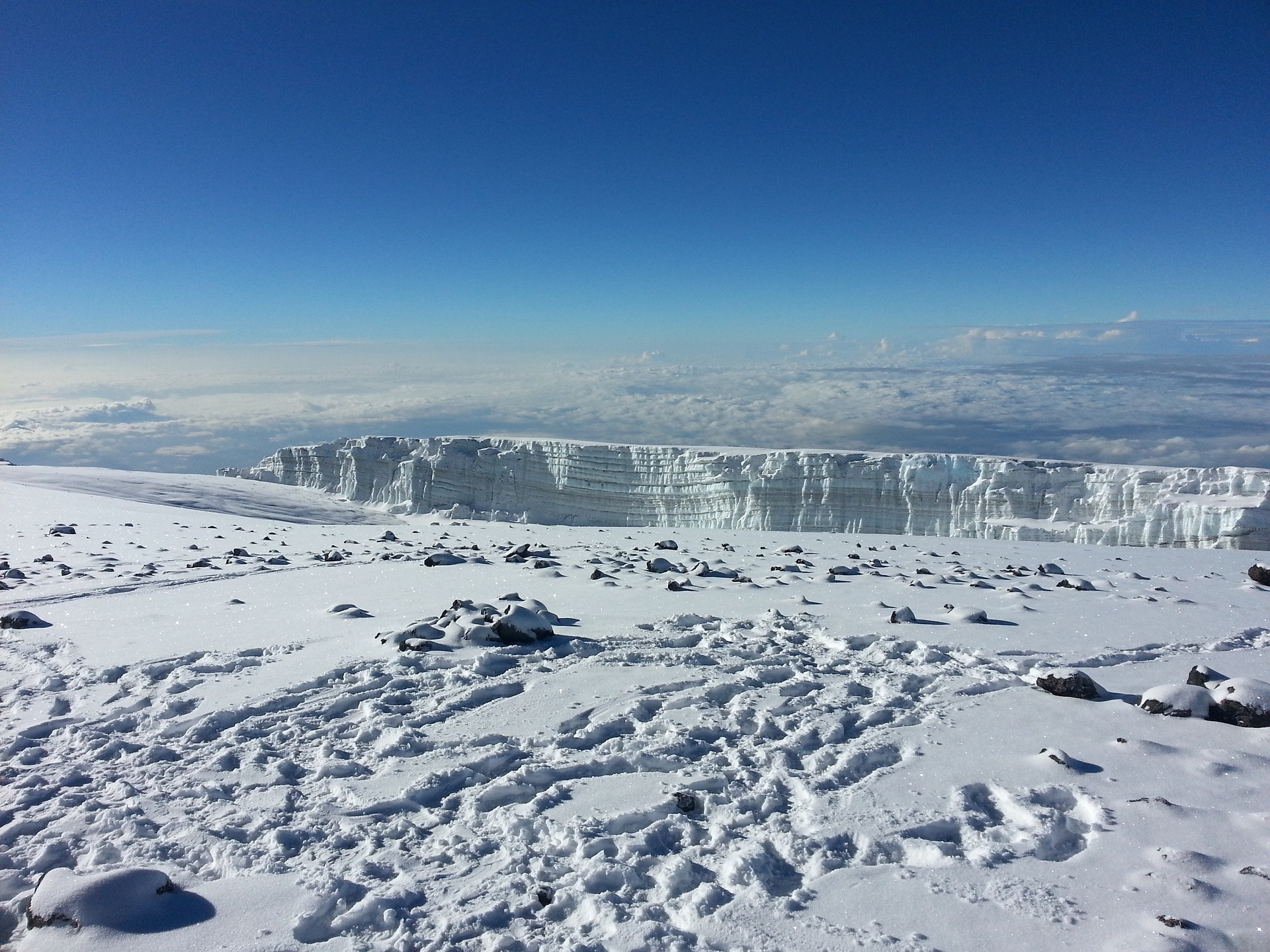
- Kilimanjaro National Park spans approximately 1,688 square kilometers in northern Tanzania
- This iconic national park protects the majestic Mount Kilimanjaro, the tallest free-standing mountain in the world and Africa’s highest mountain/peak.
- Kilimanjaro rises dramatically from the surrounding plains to 5,895 meters above sea level at Uhuru Peak on the Kibo cone.
- The mountain features three volcanic cones: dormant Kibo, jagged Mawenzi, and the eroded Shira Plateau base.
- The park encompasses the entire Kilimanjaro above the tree line, along with lush mountain forests.
- It includes montane forest belts that were once part of the Kilimanjaro forest reserve and game sanctuary.
- In 1987, Kilimanjaro National Park was designated as a UNESCO World Heritage Site due to its exceptional beauty and ecological significance.
- Kilimanjaro National Park showcases five distinct climatic zones: cultivated lower slopes, dense rainforest, heath and moorland with giant heather, harsh alpine desert, and an arctic summit.
- Diverse ecosystems teem with wildlife like elephants on the lower hillsides and white colobus monkeys in the forests.
- The park is home to over 150 bird species.
- Kilimanjaro lies near the Kenyan border, with stunning views often visible from Amboseli National Park.
- Easy access via Kilimanjaro International Airport or nearby bases.
- Visitors come for mountain climbing and to climb Mount Kilimanjaro, experiencing remnants of volcanic activity like the crater rim.
- Known as the shining mountain, it offers nature walks and is a true natural wonder.
- The park attracts thousands annually for Tanzania safari adventures, blending high-altitude climb Kilimanjaro trekking, and unique landscapes.
- Whether aiming for the highest point or exploring the ecosystems, Kilimanjaro remains an unparalleled destination.
Tanzania Kilimanjaro National Park Location and Size
Located in northern Tanzania near the Kenyan border, Kilimanjaro National Park sits in the Kilimanjaro Region, close to Moshi town and about 128 km from Arusha town.
The park covers 1,688 square kilometers, including the entire mountain above the tree line and the surrounding mountain forest starting from around 1,820 meters.
Park headquarters are at Marangu, easily reachable from Kilimanjaro International Airport, making it a convenient start for any Tanzanian safari adventure focused on this iconic natural wonder.
History of Kilimanjaro National Park
Originally a game reserve under German colonial rule, the area became a forest sanctuary/reserve in 1921, including the Kilimanjaro Woodland Reserve. In 1973, the mountain above 2,700 meters was declared a national park by the Tanzanian government. It gained UNESCO World Heritage Site recognition in 1987, expanding in 2005 to encompass the full montane forest belt for better protection of the Kilimanjaro National Park ecosystem under Tanzania National Parks Authority (TANAPA) management.
Kilimanjaro NP Geology and Geography
The park is dominated by Mount Kilimanjaro, the highest mountain in Africa, a dormant stratovolcano formed over a million years ago from volcanic activity along the East African Rift. It features three main volcanic peaks: the dormant Kibo (home to Uhuru Peak), the extinct Mawenzi, and the collapsed Shira.
Rising isolated from the surrounding plains, it’s the tallest free-standing mountain and the tallest mountain globally, with a crater rim, glaciers like the Furtwangler glacier, and diverse terrain from lower hillsides and southern slopes to alpine desert, creating a dramatic backdrop for Tanzanian safari experiences.
Park Mt Kilimanjaro Climate Zones and Weather
The park Mount Kilimanjaro boasts five distinct ecological zones: cultivated lowlands, lush rainforest, heath and moorland with giant tree heather (Erica arborea), harsh alpine desert, and icy arctic summit with alpine meadows.
Temperatures drop significantly with altitude, from warm bases to freezing peaks. Rainy seasons (wet seasons) bring slippery trails, while dry periods provide ideal conditions for climbing Kilimanjaro and enjoying clear views of the snowy peak.
This variety makes every climb Kilimanjaro expedition a journey through changing landscapes, ideal for those combining mountain adventures with a broader Tanzania tour.
Kilimanjaro Park Management
Managed by the Tanzania National Parks Authority (TANAPA), Kilimanjaro Park enforces strict rules to preserve its fragile ecosystems. A “leave no trace” policy enforced by authorities bans plastic bags and promotes reusable items. Guides are mandatory for climbing Kilimanjaro expeditions, and certified operators handle logistics.
Conservation efforts focus on protecting endangered species and monitoring glacial retreat, ensuring sustainable tourism for future Tanzania safari visitors.
Tourist Attractions in Mount Kilimanjaro Park
Mountain Kilimanjaro and its Seven Summits
The star attraction is Mount Kilimanjaro itself, Africa’s highest point at 5,895 meters with Uhuru Peak on the Kibo cone. Known as the “shining mountain,” it also includes Mawenzi and Shira cones, offering stunning snowy peaks and crater views. As one of the Seven Summits and the tallest free-standing mountain, it’s a bucket-list climb that draws climbers worldwide on any Tanzanian safari.
Mt Kilimanjaro Animals
Wildlife thrives in the lower zones, including elephants roaming montane jungles, buffalo, eland, and occasional leopards. The park’s diverse habitats support mammals like warthogs, hippos, impalas, hyenas, and antelopes, adding excitement to hikes or drives during a Tanzania trip.
Primates in Kilimanjaro NP
The montane jungles are alive with primates, including striking black and white colobus monkeys leaping through canopies, blue monkeys, and olive baboons. Bush babies add nocturnal charm, making primate spotting a highlight on guided walks in this Tanzanian safari gem.
Bird Species in Kilimanjaro NP
Over 150 bird species inhabit the park, from rainforest dwellers like Hartlaub’s turaco and silvery-cheeked hornbills to high-altitude ravens. Endangered Abbott’s starlings and migratory visitors during wet periods make birding rewarding alongside Tanzanian safari activities.
Diverse Ecosystems in Kilimanjaro NP
From cultivated plains and dense rainforests to heath, moorland, alpine desert, and snowy peak arctic summits, the park’s zones showcase incredible biodiversity. Giant groundsels and lobelias in higher areas create otherworldly scenes, perfect for eco-focused Tanzania safaris.
Chala Crater Lake in Mount Kilimanjaro NP
Lake Chala, a stunning caldera lake on the Tanzania-Kenya border, features color-changing waters from turquoise to emerald. Home to endangered tilapia of Chala, it’s ideal for picnics, hikes, or swimming near Kilimanjaro’s shadow on a relaxing Tanzania safari day trip.
Unique Flora in Mt. Kilimanjaro NP
Flora varies dramatically in this mountain park, i.e., from lush rainforests with giant heather on lower hillsides, unique groundsels and lobelias in moorlands, and sparse lichens higher up. This botanical diversity enhances the visual appeal of any climb or nature walk in the park.
Climbing Routes and Hiking Spots in Kilimanjaro Park
Kimanjaro NP offers seven main climbing routes to Uhuru Peak, catering to different preferences and fitness levels.
- The scenic Machame (6-7 days) and beautiful Lemosho (7-8 days) are popular for acclimatization and views.
- Marangu (5-6 days), the “Coca-Cola” route, is the only one with huts.
- Rongai (6-7 days) is quieter than the north, while steep Umbwe (5-6 days) is challenging.
- The long Northern Circuit routes (9 days) provide the best acclimatization, and the demanding Western Breach is an advanced option.
Beyond the Kilimanjaro routes, popular hiking spots like Materuni Waterfall near the southern boundary of the park offer refreshing day hikes with cultural Chagga village visits. Lower slope trails provide easier access to forests and views, complementing a full Tanzanian safari itinerary.
Scenery and Natural Features in Mount Kilimanjaro NP
Iconic snowy peaks overlook vast plains, with Shira Plateau’s grasslands, Barranco Valley’s dramatic walls, and glacial vistas. The isolated rise creates panoramic scenes visible even from Amboseli in Kenya, which is a photographer’s dream on Tanzania safaris.
Tourist Activities in Kilimanjaro National Park
Climbing Mount Kilimanjaro (Tallest Mountain in Africa)
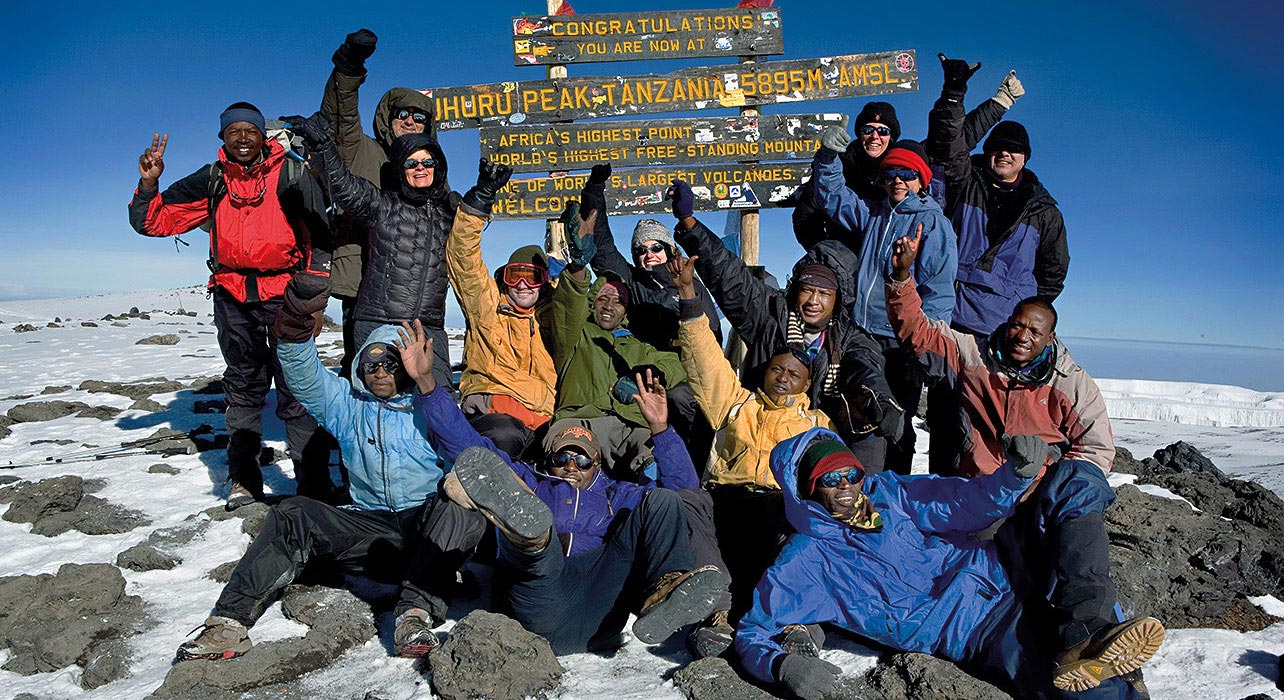
The ultimate activity done in the park is climbing Kilimanjaro, the tallest mountain in Africa. Trek to Uhuru Peak via six approved Kilimanjaro routes like the Marangu Route (with sleeping huts), Machame (“Whiskey Route”) for scenery, Lemosho (high success), Rongai, Umbwe, and Northern Circuit routes.
With proper acclimatization to avoid altitude sickness, hydration, and guides, it’s accessible yet challenging—a quintessential Tanzanian safari experience.
It is worth noting that Ludwig Purtscheller, an Austrian mountaineer, was among the first to conquer Kilimanjaro’s summit in 1889.
Wildlife Viewing in Kilimanjaro Park
Spot elephants near rivers, buffalo in forests, various antelope species, and monkeys, including the black and white colobus monkeys and blue monkeys, during hikes in montane jungles when you visit this park during a vacation. Lower hillsides and the Shira Plateau offer the best chances, enhancing mountain-focused Tanzania tours with unexpected game encounters.
Birding in Mount Kilimanjaro National Park
November to April brings migrants, but year-round residents like turacos and sunbirds delight birders exploring this park during safari excursions. Rainforest zones are prime, making birding a serene addition to Tanzanian safari adventures.
Cycling in Kilimanjaro Park
Experienced riders can bike the Kilema route through Chagga farmlands to high altitudes, offering unique views and fitness challenges on a Tanzania trip.
Camping in Mt. Kilimanjaro National Park
Camp under stars on most routes (except Marangu’s huts), with sites providing bush immersion and memorable nights amid the mountain’s ecosystems.
Guided Nature Walks in Kilimanjaro NP
Lower slope walks reveal primates, birds, and plants, with views of farmlands—perfect for non-climbers seeking intimate Tanzanian safari experiences in the park.
Filming in Mt. Kilimanjaro National Park
This is another of the fascinating safari activities done in the park. Panoramic vistas and dramatic landscapes have inspired films like “The Snows of Kilimanjaro,” ideal for adventure documentaries or photography safaris.
Rules and Regulations to Follow When Visiting Mount Kilimanjaro National Park
- Climbers must use certified guides and operators; no independent treks allowed.
- Follow “leave no trace”—carry out all waste
- Single-use plastics were banned so use reusable bottles.
- Stay on designated trails
- No fires outside designated areas
- Respect wildlife.
- Permits are required, with fees supporting conservation.
Accommodation in and Near Kilimanjaro National Park
Luxury
Options like Kambi ya Tembo, Shu’mata Camp inside the park, or Ndarakwai Camp and Amboseli Sopa Lodge nearby offer tented elegance with Kilimanjaro views, private ranches, and wildlife.
Mid-range
Kaliwa Lodge, Kilemakyaro Mountain Lodge, Aishi Machame, and Kibo Safari Camp provide comfortable stays near gates, with pools and proximity for pre/post-climb relaxation.
Budget
Budget options include Park View Inn, Babylon Lodge, farm stays such as Semira Farmhouse, and basic guesthouses in Moshi or along the Marangu route and other routes, all of which suit tighter budgets while providing cultural immersion.
On Mountain climbs, the Marangu route offers sleeping huts (Mandara, Horombo, Kibo, and Barranco Camp) to most climbers, while others use tents/campsites.
Other Accommodation Options near Kilimanjaro include Kilimanjaro View Lodge, Dual Mountain View Lodge, and Kimana Omega Safari Lodge.
It is worth noting that Moshi and Arusha are key bases for Kilimanjaro climbers looking for lodging. Moshi is closer to the park, while Arusha (2-3 hours away) offers more accommodation options.
Kilimanjaro National Park Fees and Costs
Kilimanjaro NP fees are paid per day and per night, significantly impacting overall trek costs for international visitors.
Key charges include a ~$70 daily conservation fee, $50/night for camping (most routes), $60/night for huts (Marangu Route only), a one-time $20 rescue fee, and an optional $100/night for crater camping.
An 18% VAT applies to most fees, plus operator charges for guides, porters, food, and logistics.
Longer routes incur higher totals due to additional days/nights—expect $800+ in park fees alone for a typical 7-day climb.
Best Time to Visit Kilimanjaro National Park
The optimal time to visit Kilimanjaro NP for climbing and wildlife viewing is during the dry seasons: late December to early March (warmer, clearer skies, fewer crowds) and June to October (cooler, excellent visibility, drier trails, though busier). These periods offer safer hiking conditions and better summit success.
Avoid the wet periods—long rains (March-May) and short rains (November)—due to slippery trails, heavy snow, and reduced visibility. However, it is worth knowing that shoulder months provide a favorable balance of weather and lower crowds.
How to Get to Mount Kilimanjaro National Park for a Tanzanian Safari?
The easiest way to reach Mount Kilimanjaro NP is by flying into Kilimanjaro International Airport (JRO), located about an hour’s drive from the park gates and nearby towns like Moshi or Arusha.
International flights connect via hubs such as Amsterdam, Doha, Istanbul, Nairobi, or Addis Ababa. From JRO, tour operators typically arrange transfers to your hotel in Moshi (40-90 minutes) or Arusha (1.5-2 hours). Your operator will then transport you to the chosen route gate.
Many combine the climb with safaris in the Northern Circuit, including Serengeti, Ngorongoro, and Lake Manyara. Domestic flights from Dar es Salaam to JRO are also available for connections.
National Park Mt Kilimanjaro Packing List
- Warm layers for the cold summits (jumper, jacket, gloves, beanie)
- Rain gear (jacket, pants)
- Hiking boots, gaiters, socks
- Trekking poles, waterproof daypack
- Sleeping bag (for camping routes)
- Hydration system (drinking water bottle), energy snacks
- Headlamp, sunglasses, sun hat
- Personal meds for altitude sickness, insect repellent
- Camera, toiletries, wet wipes
Serious Threats Facing Mount Kilimanjaro National Park
Some of the serious threats facing this park include glacial retreat due to climate change, which threatens water sources and iconic snows. Overgrazing in lower areas, poaching, and tourism pressure strain ecosystems. In the past, deforestation had a significant impact on the forests, but they are currently under protection.
These are some of the challenges that park authorities and organizations work extremely hard to resolve through sustainable practices.
Ongoing Conservation Initiatives Aimed to Protect Kilimanjaro Park
The TANAPA leads conservation in Kilimanjaro NP by monitoring glacial retreat, enforcing strict anti-poaching measures, and promoting reforestation efforts.
Community education programs engage local residents in sustainable practices, while revenue from eco-friendly tourism funds habitat protection.
International partnerships track climate change impacts, and mandatory “leave no trace” policies, such as banning single-use plastics and requiring reusable water bottles/items, help minimize environmental footprints from more than 10,800 visitors received each year in Kilimanjaro NP.
These combined initiatives ensure the long-term preservation of this iconic UNESCO site.
Other Tanzanian Safari Destinations and National Parks to Combine with a Mount Kilimanjaro National Park Safari
- Serengeti National Park: Iconic wildebeest migration and Big Five viewing.
- Ngorongoro Crater: Dense wildlife in a volcanic caldera, perfect for a post-climb safari.
- Tarangire National Park: Elephant herds and baobab landscapes.
- Lake Manyara NP: Tree-climbing lions and flamingos.
- Arusha National Park: Diverse habitats near Kilimanjaro base.
- Amboseli NP (Kenya side): Kilimanjaro views with massive elephant herds.
- Mkomazi National Park: Rare species conservation nearby.
Best Kilimanjaro Tour Operators Offering Mount Kilimanjaro National Park Safari Tours
Popular National Park Mount Kilimanjaro Travel Packages
Packages often combine climbs (5-9 days on routes like Lemosho or Machame) with northern circuit safaris: Kilimanjaro trek + Serengeti/Ngorongoro.
Other options include luxury/private or group tours with cultural visits, wildlife extensions, or beach relaxation in Zanzibar.
Kilimanjaro National Park Map
Mount Kilimanjaro National Park FAQs
How Long Will It Take to Climb Mount Kilimanjaro?
Most climbs take 5–9 days round-trip, depending on the route. Longer ones like Lemosho (7-8 days) allow better acclimatization for higher summit success on this iconic Tanzanian safari peak.
Is Mount Kilimanjaro a Hard Climb / Is Mt. Kilimanjaro Hard to Climb?
It’s challenging due to altitude, not technical skills—no ropes needed. Proper pacing, hydration, and acclimatization make it achievable for fit beginners on a rewarding Tanzanian safari adventure.
How Difficult Is the Kilimanjaro Trek?
Difficulty stems from altitude sickness and endurance, not steep climbing. Routes vary, making the trek accomplishable, i.e., Marangu is gentler with huts, and Machame is scenic but tougher—success relies on preparation for this ultimate Tanzania holiday goal.
However, it is worth noting that hiking Kilimanjaro is dangerous during the wet seasons due to slippery trails and snow so visitors are advised to avoid climbing Kilimanjaro in November and during the long rains from March to May.
What Is Unique About Kilimanjaro National Park?
It’s home to the world’s tallest free-standing mountain with three volcanic cones, diverse zones from the equator to the Arctic, and a UNESCO site offering accessible high-altitude trekking amid wildlife on Tanzania wildlife safaris.
Is Mount Kilimanjaro a Part of Kilimanjaro National Park?
Yes, the entire mountain above the tree line and surrounding forests form the park, protected since 1973 for climbing and ecotourism in Tanzania.
What Is So Special About Mount Kilimanjaro?
As Africa’s rooftop and tallest free-standing peak, it features eternal snows, volcanic cones, and ecosystems in one climb—no prior experience needed for this shining Tanzanian safari icon.
What Is a Major Concern in Kilimanjaro National Park?
Climate change, causing rapid glacial melt, threatens water supplies and the mountain’s snowy nature, making it a key focus for conservation in this vital Tanzania safari destination.
Conclusion
A visit to Mount Kilimanjaro National Park is more than a climb—it’s a transformative Tanzania safari blending adventure, nature, and culture. From summiting Uhuru Peak to spotting wildlife in montane forests, this UNESCO gem offers lifelong memories. Plan your Mount Kilimanjaro National Park safari with us right now for an incredible experience in eastern Africa, whether you want to hike the trails or take in the local sights.

Over 300 excellent reviews on TripAdvisor
Over 50 excellent reviews on Safaribookings.
Over 50 excellent reviews on Safaribookings.
12+ years of experience.
Best price guarantee.

Robert
Speak to a specialist to plan your customized safari and experience safari tours like never before...
Get expert safari advice: Call or arrange a video appointment with our tour specialists.