 >
> Let us interest you in all that Ruaha National Park is all about!
Ruaha National Park Location | Where is Ruaha National Park in Tanzania?
Ruaha National Park sits in south-central Tanzania (southern Tanzania), roughly in the country’s heart in East Africa. It lies 130 km west of Iringa town, 625 km from Dar es Salaam, and well south-west of the famous northern circuit (Serengeti, Ngorongoro, and Tarangire).
Ruaha National Park is considered a hidden gem in Tanzania due to its remote location and low visitor numbers. Its remote position in southern Tanzania—far from major tourist routes—is precisely why Ruaha stays so quiet, wild, and authentic.
Size of Ruaha National Park
Ruaha is Tanzania’s largest national park and the biggest protected area in East Africa, covering 20,226 km² (roughly 13 times the size of the Maasai Mara). After 2008, Usangu Game Reserve merged with the surrounding area wetlands, with Ruaha transforming into the core of a 45,000 km² ecosystem including Rungwa, Kizigo, and Muhesi Game Reserves plus Mbomipa Wildlife Management Area.
History of Ruaha National Park
German colonial authorities created the Saba Game Reserve in 1910. In 1946, the British renamed it Rungwa Game Reserve. In 1964, the southern section became Ruaha National Park. The name comes from the Great Ruaha River (“Hehe” for river).
In 2008, the Usangu GR and vital wetlands were added, instantly making Ruaha Tanzania’s largest park. The area holds deep cultural importance for the Hehe people—legendary Chief Mkwawa, who resisted German colonization in the 1890s, used rock outcrops here as hideouts. Some springs and hills still bear his name today.
Geography and Geology of Ruaha National Park
Ruaha’s landscape is pure drama: rolling hills crowned with ancient baobabs, rocky kopjes, vast golden plains, acacia woodlands, and the Great Ruaha River carving its way along the southeastern border.
The Great Rift Valley slices the western side, forming a striking escarpment 50–100 m high. At the base of the escarpment, natural springs bubble, providing lifelines during the dry season.
Semi-arid vegetation dominates—over 1,650 plant species have been recorded, from sausage trees to miombo woodland, creating a breathtaking mix of open savannah and thick bush.
Weather and Climate of Ruaha National Park
Ruaha has a unique single long dry season (June–October) and one long rainy season (November–April), unlike the typical “long and short rains” of northern Tanzania. Daytime temperatures reach 35–40 °C in October; nights can drop to 15 °C in June/July. The dry season is hot and golden; the green season brings emerald landscapes, wildflowers, and dramatic thunderstorms. April–May often surprises with clear blue skies and lush scenery.
Ruaha National Park Management
Ruaha is managed by the Tanzania National Parks Authority (TANAPA). After the 2008 expansion that included the former Usangu GR, strict anti-poaching patrols, community outreach programs, and scientific monitoring have intensified.
Partnerships with organizations like Asilia Africa and the Tanzania Wildlife Research Institute run citizen-science projects (especially in the Usangu Wetlands) using camera traps and guest data collection.
Revenue from park fees and conservation levies directly funds ranger salaries, vehicles, and community projects, helping protect this vast wilderness for future generations.
Tanzania Safari Attractions in Ruaha National Park
Wildlife in Ruaha National Park
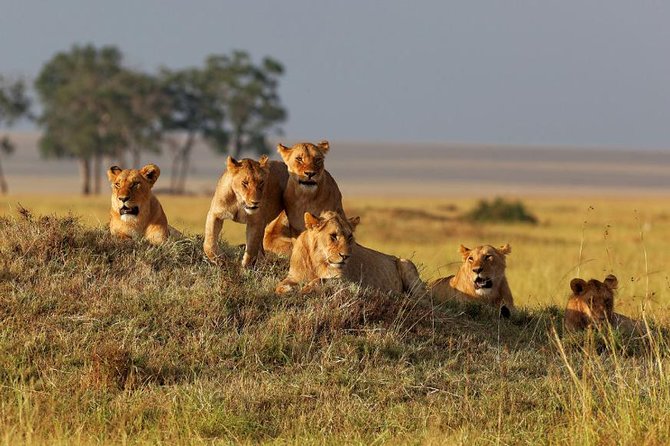
The park is a transitional zone where species from both East and Southern Africa converge, creating high biodiversity.
Ruaha boasts one of Tanzania’s largest elephant populations (12,000+), huge lion prides, excellent leopard and cheetah sightings, and one of Africa’s strongest African wild dog packs. This rare crossover zone mixes common East African species (zebra, giraffe, hippo, and impala) with Southern African rarities (greater & lesser kudu, sable, and roan antelope). Buffalo herds are massive, predators are bold, and the sheer variety stuns even seasoned safari-goers on Tanzania wildlife safaris.
Birdlife in Ruaha National Park
With over 570 recorded species, Ruaha is a birdwatcher’s paradise. Resident species include the goliath heron, saddle-billed stork, vultures, six hornbill species (including the Tanzanian red-billed hornbill), bateleur, and fish eagles.
Migratory birds arrive from November to April, swelling numbers of rare species such as the rare Eleonora’s falcon, sooty falcons, and European rollers. Endemic ashy starlings and yellow-collared lovebirds are common—this is the only East African savanna where the crested barbet replaces the red-and-yellow barbet.
Cultural and Historical Sites in Ruaha National Park
Ruaha holds secrets of the Hehe tribe and Chief Mkwawa, who fiercely resisted German rule. Ancient Arab caravan routes crossed here; explorers Speke and Burton travelled them in 1857–58. Ritual sites (Nyanywa, Chahe), rock paintings, Gogo Chief Mapenza’s grave, and Mkwawa Spring remain. Some rocky outcrops are still known as Mkwawa’s hiding places after his empire fell in 1894.
Rivers in Ruaha National Park
The Great Ruaha River is the park’s lifeline, along with the seasonal Mzombe, Mwagusi, Jongomero, and Mdonya rivers. These waterways draw wildlife in the dry months and create vital wetland habitats, especially in the newly protected Usangu Wetlands.
Rift Valley in Ruaha National Park
The Great Rift Valley slices through Ruaha’s west, forming a dramatic escarpment 50–100 m high. The Ruaha River flows 160 km along the eastern boundary through gorges and plains and is considered an extension of the Rift Valley system.
Natural Springs in Ruaha National Park
Springs at the Rift Valley escarpment base—Makinde, Mkwawa, Majimoto, and Mwayembe—become crucial dry-season refuges when rivers shrink. Elephants, buffalo, and predators gather here daily.
Undulating Landscape in Ruaha National Park
Ruaha’s ecosystems represent a transition zone between miombo woodlands and open savannah biomes, supporting a unique variety of flora and fauna.
Rolling hills and kopjes (Nyamasombe, Igawira, Magangwe, Kilimamatonge, and Chariwindwi) create a perfect habitat for klipspringer and dramatic viewpoints. Baobab tree-dotted ridges and open plains stretch to the horizon, giving Ruaha its signature wild, untouched feel.
The Usangu Wetlands within Ruaha NP are important for biodiversity and support numerous species of birds.
Tanzania Safari Activities in Ruaha National Park
Game Drives and Wildlife Viewing in Ruaha National Park
Open-sided 4×4 vehicles offer comfortable, unrestricted views while expert guides track lions, leopards, elephants, and rare antelopes across vast plains and riverbanks. Dawn and dusk drives are magical—the low light turns the landscape golden, and predators are most active.
Bird Watching in Ruaha National Park
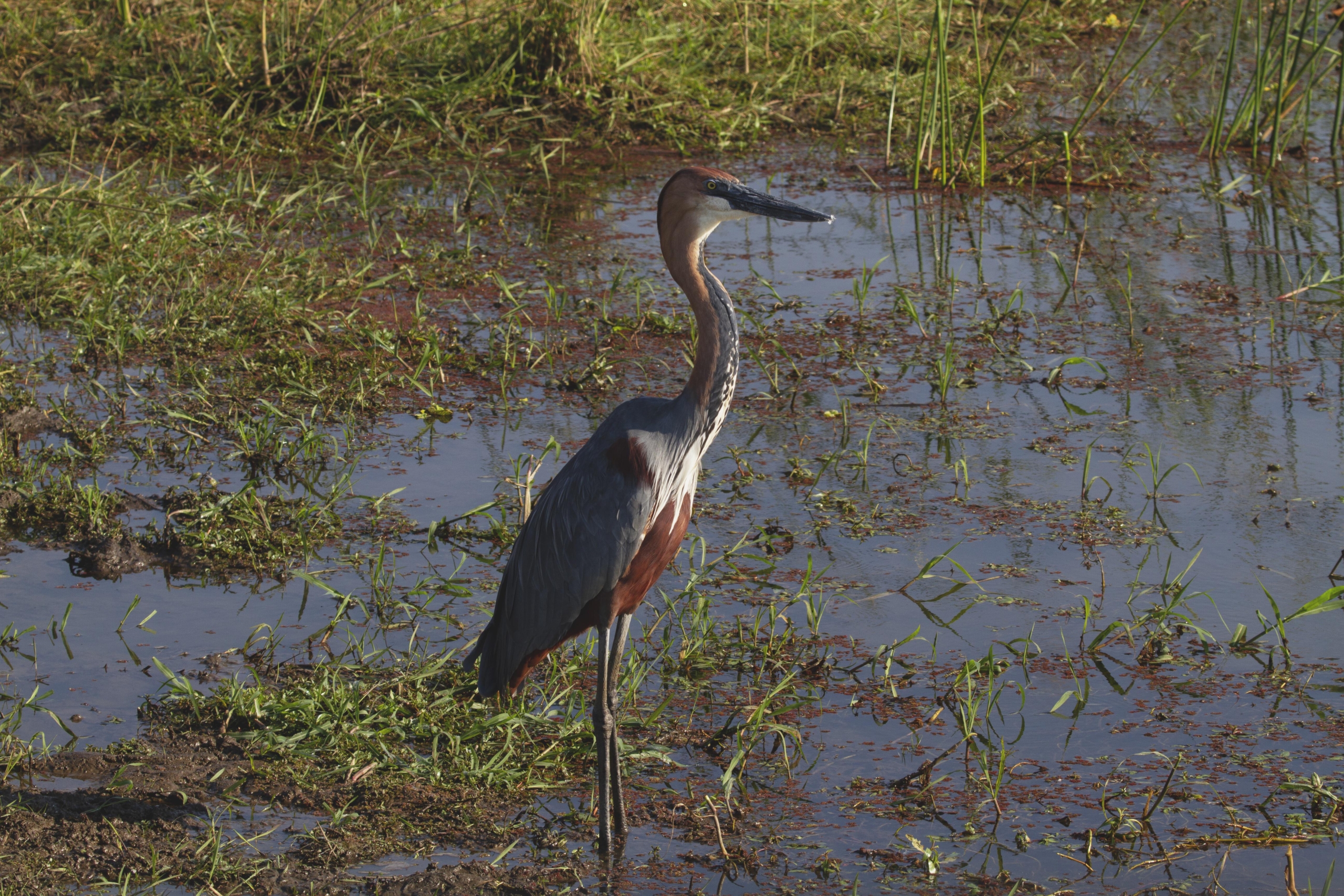
Over 570 species make Ruaha a top birding destination. The green season (January–April) is best for migratory birds and breeding plumage. Guides know every hide and riverbank hotspot for goliath herons, hornbills, and raptors.
Walking Safaris
Guided walking safaris (some of Africa’s finest) let you explore on foot with an armed ranger. Feel the earth beneath your boots and learn about tracks, dung, insects, and plants while on these walking safaris. September–October offers the clearest, coolest conditions for walking.
Night Drives
After dark, the bush comes alive. Night drives allow visitors to spot elusive nocturnal animals such as leopards on the hunt, lions, hyenas, civets, genets, servals, honey badgers, bushbabies, and nocturnal birds like nightjars and owls. Red-filtered spotlights keep disturbance minimal while revealing a hidden world.
Boating Safaris
Seasonal boating safaris in the Usangu Wetlands (June–October) glide through waterways lined with elephants, hippos, and hundreds of waterbirds. It’s a peaceful, completely different perspective on Ruaha’s wilderness.
Camping
Fly-camping under the stars (offered by select camps like Jongomero) is pure magic. Sleep on roll-out beds in the bush, with dinner cooked over an open fire and only lions and hyenas around.
Conservation
Join real research at Usangu Expedition Camp: set camera traps, record sightings via iNaturalist, and even help collar lions (extra cost). Every guest directly contributes data to protect this vital ecosystem.
Ruaha National Park Balloon Safaris
Hot air balloon safaris provide a unique perspective/aerial view of the park, Ruaha’s landscapes, and its wildlife but are a more expensive option.
Float silently at sunrise over endless baobab forests and wildlife-filled plains. Champagne breakfast on landing completes this once-in-a-lifetime experience (around US$550–600 per person).
Guidelines to Follow When Visiting Ruaha National Park
- Stay inside your vehicle unless your guide says it’s safe
- Do not feed or disturb wildlife
- Keep a minimum distance of 25 m from lions and elephants
- No off-road driving allowed
- Speed limit 50 km/h (25 km/h in some areas)
- No littering—everything you bring in must leave with you
- No drone flying without special permission
- No picking plants or removing anything from the park
- Night drives only with authorised guides/vehicles
- Respect quiet hours at camps (usually 10 pm–6 am)
Safari Accommodation in Ruaha National Park (e.g., Jabali Private House)
With only a handful of tented camps spread across 20,226 km², Ruaha guarantees an intimate and exclusive stay, which has greatly built Ruaha’s reputation as one of Tanzania’s best remote locations for game viewing.
Accommodation ranges from authentic budget options to world-class luxury, with rates typically starting around US$400 per person per night and reaching up to US$1,500 in peak season (all-inclusive).
Luxury Options
- Jabali Ridge—a stylish hilltop lodge featuring eight sophisticated suites, an infinity pool, spa treatments, and sweeping views over baobab-studded plains—is the perfect blend of contemporary design and wild Africa.
- Ikuka Safari Camp—This intimate luxury camp, perched high on the escarpment with jaw-dropping sunrise views, is renowned for its warm hospitality, excellent guiding, and panoramic vistas across Ruaha’s endless wilderness.
- Jongomero Camp—Remote riverside luxury on the banks of a seasonal sand river; elegant tented suites blend seamlessly into the surrounding bush, offering total seclusion and classic safari romance.
- Kwihala Camp—a solar-powered, intimate six-tent camp delivering spacious accommodation and some of Ruaha’s finest guiding; simple yet sophisticated, with a strong focus on authentic bush immersion.
- Kigelia Ruaha Camp—Classic tented elegance beneath ancient sausage trees; relaxed luxury, delicious meals, and personal guiding create a timeless safari experience in the heart of the park.
- Mwagusi Safari Camp—Legendary owner-hosted camp on the Mwagusi River; phenomenal guiding, mouth-watering bush cuisine, and genuine passion for Ruaha’s wild side make every stay unforgettable.
- Kokoko Camp—a distinctive hideaway surrounded by towering baobabs; stylish, intimate, and ideal for couples or small families seeking luxurious accommodation in complete privacy.
- Jabali Private House—Jabali Private House is an exclusive-use three-bedroom villa with a private guide, vehicle, and staff; Jabali Private House offers the ultimate flexibility and total seclusion for families or groups wanting Ruaha entirely to themselves.
Mid-Range & Authentic Options
- Mdonya Old River Camp—Comfortable, no-frills tented camp offering excellent value and a genuine old-style safari atmosphere. Mdonya Old River Camp is simple but cozy, with outstanding guiding and hearty meals.
- Ruaha River Lodge—The park’s largest property right on the Great Ruaha River; comfortable stone bandas, good facilities, and a prime location make it popular with bigger groups.
Budget/Adventure Options
Public campsites and basic TANAPA bandas inside the park—very limited facilities; bring all your own gear, food, and water for a true back-to-nature wilderness adventure.
Unique Conservation-Focused Stay
Usangu Expedition Camp—Found in a remote location with just four guest tents, Usangu Expedition Camp provides a unique citizen science experience for guests who actively want to participate in real citizen-science research (camera traps, monitoring) while enjoying comfortable safari-style accommodation and guiding.
Ruaha National Park Safari Prices
- Park entrance fee: US$30/adult/day, US$10/child 5–15
- Luxury camps such as Jabali Private House: US$800–$1,500 pp/night (all-inclusive)
- Mid-range camps: US$500–$900 pp/night
- Balloon safari: US$550–$600 pp
- Internal flights Dar es Salaam to Ruaha and return: US$500–$800 pp
- Full 4-night luxury safari package: US$4,500–$8,000 pp
Best Time to Visit Ruaha National Park | When to Go
Ruaha’s unique single rainy season (unlike northern Tanzania’s two) makes it wonderfully uncrowded year-round. It is best visited during the long dry season from June to October.
June–October (dry/peak season): Prime wildlife viewing. Animals concentrate around the Great Ruaha River and dwindling waterholes, visibility is superb, golden landscapes glow, and predator action peaks. The park appears prettier from January to June, although the best game viewing is generally from May to November.
November–April (green season/European winter months): Rains begin in November, are heaviest in January–February, and then ease. The park turns lush and beautiful (January–June). Newborn calves appear, rates drop, and bird enthusiasts find the best viewing from December to April when migratory birds arrive in Ruaha.
April–May (low season gem): Surprisingly clear blue skies, emerald scenery, almost zero other visitors—and still excellent game viewing as the dry weather starts make Ruaha a surprisingly good destination in the low season.
Even in high season, you’ll rarely see another vehicle; these unique seasonal patterns in Ruaha make it distinct from other national parks in Tanzania .
Getting There & Around | How to Get to Ruaha National Park, Tanzania?
Reaching Ruaha is straightforward for regular East African safarigoers, though its remote location keeps crowds away.
By Air (recommended) Daily scheduled and charter flights connect Ruaha to Dar es Salaam (1¾ hours), Arusha, Zanzibar, Serengeti National Park, and Nyerere National Park. Main operators are Coastal Aviation, Safari Airlink, and Auric Air. Flights from Dar es Salaam land at Msembe (the central and main airstrip serving Ruaha NP) or Jongomero (south-west) airstrips. One-way fares range from US$250 to $380 per person. Your lodge includes free pickup and game-drive transfer to camp—often your first mini-safari.
By Road
Traveling to Ruaha by car allows for insight into rural Tanzanian life and landscapes.
- Driving from Iringa to Ruaha: 130 km, takes less than 2 hours (good tarmac + graded gravel)
- Dar es Salaam to Ruaha: 625 km, 9–10 hours (long but scenic)
Roads are reliable in the dry season (June–October) but can be rough after rain. Self-driving 4×4 is possible, though most visitors fly in and rely on their lodge’s open-sided vehicles inside the park.
Infrastructure is deliberately minimal compared to more popular national parks in Tanzania—exactly what gives Ruaha its wild, exclusive feel.
Tanzania Packing List for a Ruaha Safari

Some of the essential items to pack for a Ruaha safari include
- Neutral-coloured clothing (no bright colours or white)
- Long-sleeve shirts & trousers (sun & insect protection)
- Fleece/jacket for cool mornings & evenings
- Hat, sunglasses, high-SPF sunscreen
- Binoculars & camera with a long lens
- Insect repellent (DEET 30–50%)
- Comfortable closed walking shoes and sandals
- Personal medication & basic first-aid
- Reusable water bottle
- Head torch for night drives & fly-camping
It is worth noting that these items can also be used if you have extended tours beyond a Ruaha safari to Nyerere National Park, Ngorongoro Crater, Dar es Salaam, or other parts of East Africa.
Threats Facing Ruaha National Park
- Upstream water abstraction is threatening the Great Ruaha River flow
- Human-wildlife conflict with neighbouring communities
- Historical poaching (elephant & wild dog)
- Climate change is altering rainfall patterns
- Illegal grazing & charcoal production on park borders
Ruaha National Park Status on Conservation
Among the conservation efforts in Tanzanian national parks, the one in Ruaha NP is strong and improving.
Intensive anti-poaching patrols, community benefit programs, and innovative citizen-science projects (especially Usangu Expedition Camp) have dramatically reduced elephant poaching. Wild dog and lion populations are stable or growing.
The 2008 park expansion and ongoing research partnerships make Ruaha one of Tanzania’s best-managed wilderness areas.
Tanzania Safari Companies Offering Ruaha Safari Tours
Outstanding Ruaha National Park Safari Packages
- 7-Day “Ruaha & Wetlands Explorer”—3 nights Jabali Ridge or Jabali private house, 3 nights Usangu Expedition Camp + 1 night Dar—from US$8,000 pp
- Classic Southern Circuit 10-day – Ruaha and Nyerere NP fly-in – from US$7,500 pp
- Luxury Private Mobile Camping 6 nights—exclusive use—from US$12,000 pp
- Budget-mid combo: 8 nights Mdonya, Jabali Private House, and Ruaha River Lodge—from US$4,200 pp
Other Tanzania Safari Parks to Combine with Ruaha National Park Tours
- Nyerere National Park (formerly Selous)—boating & classic big game viewing
- Katavi National Park – extreme remoteness & huge buffalo herds
- Mikumi & Udzungwa Mountains (easy road add-on)
- Serengeti National Park & Ngorongoro Crater (northern circuit contrast)
- Mahale National Park (chimpanzees on Lake Tanganyika)
- Lake Manyara National Park (a baobab tree paradise)
Map of Ruaha National Park
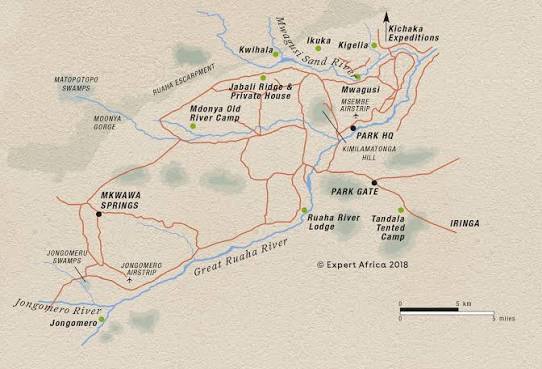
Ruaha National Park FAQs
- What Is Ruaha National Park Famous For?
Massive elephant herds, 10% of the world’s lions, rare African wild dogs, uncrowded wilderness, and being Tanzania’s largest national park are some of the things that make Ruaha NP stand out.
- Is Ruaha National Park Worth It?
Absolutely—if you love authentic, exclusive safaris with outstanding predator viewing and zero crowds, Ruaha is one of Africa’s very best parks.
Visitors can also enjoy bush meals, visit cultural and historical sites, or take boat trips on the mighty Ruaha River.
- How Much Does It Cost to Go to Ruaha National Park?
Full luxury packages US$800–$1,500 pp/night all-inclusive; park fee alone is US$30/day. Budget options start at ~US$500 pp/night.
- What Animals Are In Ruaha National Park?
Ruaha National Park is home to elephants, lions, leopards, cheetahs, African wild dogs, buffalo, giraffes, greater kudu species, lesser kudus, sable antelopes, roan antelopes, zebras, hippos, and 570 species of birds.
- Why Is There No Lion In Arusha National Park?
Arusha NP is too small, mountainous, and forested, with an insufficiently large prey base for permanent lion prides.
- How Do I Get to Ruaha National Park?
Fly from Dar es Salaam, Arusha, or Zanzibar (Coastal Aviation/Safari Airlink) or drive from Iringa (2 hours) to Ruaha NP, a game-viewing secret hotspot.
- What Are the Predators in Ruaha National Park?
Lions (huge prides), leopards (excellent sightings), cheetahs, African wild dogs, spotted hyenas, and occasional striped hyenas are some of the predators and big cats in Ruaha NP often seen during game drives.
Conclusion
When the sun finally sinks behind the escarpment and the last lion’s roar echoes across the baobab plains, you’ll understand why we love Tanzania: Ruaha isn’t just another safari destination. It’s the place that reminds you that Africa is still wild, still vast, and still capable of leaving you speechless.
Come once, and this untamed giant will stay in your soul forever. Contact your expert Africa safari specialists for the best tailored Ruaha National Park safari packages!

Over 300 excellent reviews on TripAdvisor
Over 50 excellent reviews on Safaribookings.
Over 50 excellent reviews on Safaribookings.
12+ years of experience.
Best price guarantee.

Robert
Speak to a specialist to plan your customized safari and experience safari tours like never before...
Get expert safari advice: Call or arrange a video appointment with our tour specialists.